
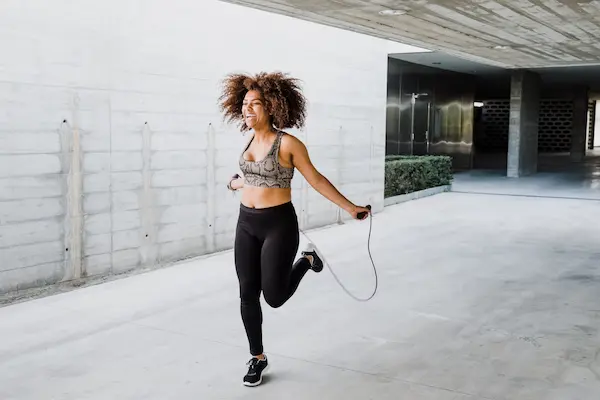
Beginner cardio workouts without running can feel surprisingly enjoyable when the goal is comfort, rhythm, and steady breathing instead of punishment.
Because joints and confidence matter, this guide gives creative no running cardio options with simple time ranges, form cues, and gentle safety reminders.
Beginner cardio workouts without running: a simple way to think about cardio
Cardio is any movement that raises your breathing and heart rate in a way you can tolerate and repeat, which means running is only one option and not a requirement.
Comfortable cardio usually works best when your body feels safe, since a nervous system that expects pain tends to tighten up and make everything feel harder than it needs to.
Low impact cardio is simply cardio that reduces pounding and joint stress, so your lungs can work while your knees, hips, and ankles stay happier.
Consistency beats intensity for most beginners, because a modest session done often will improve stamina more reliably than a brutal session you avoid for two weeks.
Beginner heart health tips start with the boring basics, since regular movement, good sleep, hydration, and stress management often matter as much as the workout itself.
How to choose the “right effort” for no running cardio
A good beginner target is an effort where you can still talk in short sentences, even though you can clearly feel your breathing increase.
On a simple 1–10 effort scale, many new exercisers do well around a 4–6 most days, because that range builds fitness without turning every session into a recovery problem.
When the goal is beginner cardio workouts without running, comfort signals are more important than pride signals, so the session should end with you feeling capable, not crushed.
Quick safety check before you start
- Consider medical guidance if you have chest pain, fainting, uncontrolled blood pressure, new or unexplained symptoms, or a condition that changes exercise safety.
- Stop and seek help if sharp pain, severe shortness of breath, dizziness, or alarming sensations appear, because “pushing through” is not a plan.
- Use a supportive surface and stable shoes when needed, because slipping and wobbling can turn gentle work into an avoidable scare.
- Pick movements you can control, because control is what keeps low impact cardio truly low impact.
Beginner cardio workouts without running: the comfort-first warm-up
Starting cold often makes joints feel stiff and breathing feel jagged, so a warm-up makes the whole session smoother and more enjoyable.
Two to four minutes is enough for most beginners, because the point is to prepare your body rather than tire it out.
Warm-up option you can do anywhere
- March in place while swinging arms gently, because coordinated motion wakes up hips and shoulders at the same time.
- Roll shoulders backward slowly, because upper-body tension can make breathing feel tight.
- Step side to side with soft knees, because lateral movement warms tissues that straight-line walking sometimes misses.
- Do a few easy ankle circles and calf raises, because ankles often decide how comfortable your knees feel.
Warm-up cues that protect joints
- Keep steps quiet, because loud stomping usually means unnecessary impact.
- Let knees bend softly, because locked knees tend to transmit stress upward.
- Relax your jaw and shoulders, because tension there often spreads everywhere else.
Option 1: walking as the most underrated no running cardio
Walking is beginner-friendly, scalable, and joint-tolerant for many people, which makes it one of the best beginner cardio workouts without running.
Even a short walk can improve mood and energy, which matters because motivation grows when the experience feels positive.
How long should a beginner walk for cardio
- Start with 10–15 minutes if you are very deconditioned or stiff, because finishing well builds confidence.
- Aim for 15–25 minutes if you can tolerate it, because that range often feels like “real cardio” without feeling endless.
- Build toward 25–40 minutes over time if you enjoy it, because longer easy sessions can be gentle and effective.
Three walking styles that keep it interesting
- Steady walk at a conversational pace, because simple consistency is powerful for beginners.
- Interval walk with brief “brisk” segments, because variety can raise fitness without adding impact.
- Hill or incline walk when available, because incline increases effort without requiring faster speed.
Beginner interval walk you can repeat weekly
Choose a total time of 12–20 minutes, because shorter sessions are easier to repeat while you build a habit.
- Walk easy for 3 minutes, because your joints deserve a gentle ramp.
- Walk brisk for 30–60 seconds, because a small dose of effort is enough at first.
- Walk easy for 60–90 seconds, because recovery is part of training.
- Repeat the brisk and easy pattern 4–8 times, because repetition builds stamina without drama.
- Cool down with 2 minutes easy, because ending calmly helps you recover better.
Walking form cues that reduce discomfort
- Stand tall with ribs stacked over hips, because slouching can make hips and low back grumpy.
- Let arms swing naturally, because stiff arms often create stiff steps.
- Keep stride slightly shorter if joints complain, because overstriding can increase impact and irritation.
Option 2: low step sessions for low impact cardio at home
A low step workout uses a sturdy step or the bottom stair, and it can be excellent no running cardio when you keep the height modest and the pace controlled.
Stair-like movement strengthens legs while training the heart, which is why it often feels efficient for busy beginners.
How to choose a step safely
- Use a stable surface that does not slide, because stability is non-negotiable for joint friendly moves.
- Start with a low height, because a smaller step reduces knee and hip stress.
- Hold a wall or railing lightly if balance is shaky, because confidence improves when you feel supported.
10–12 minute beginner low step routine
Pick a pace where breathing increases but control stays solid, because rushing usually creates impact and sloppy foot placement.
- Step up and down at an easy rhythm for 2 minutes, because this sets a comfortable baseline.
- Do 30 seconds of step-ups, because simple patterns build coordination quickly.
- Recover with 60 seconds of slow marching, because heart rate can drop without stopping completely.
- Repeat the step-up and march cycle 4–6 times, because volume builds cardio fitness gradually.
- Finish with 2 minutes easy stepping or walking around, because cooldowns support recovery.
Low step variations that keep joints happier
- Use “tap-ups” where one foot taps the step and returns, because that reduces time spent on one leg.
- Slow the lowering phase, because controlled descents often feel better on knees.
- Alternate lead legs often, because overusing one side can create small irritations that add up.
Option 3: light dance cardio for beginners who want joy
Light dance is inclusive, playful, and surprisingly effective, so it belongs on any list of beginner cardio workouts without running.
Rhythm-based movement often feels easier than “exercise,” because music and variety distract the brain from counting minutes.
What “light dance” means for beginners
Choose moves that keep at least one foot close to the ground most of the time, because low impact cardio works best when jumping is optional.
Keep steps simple enough that you can smile and breathe, because complicated choreography can create tension and frustration.
Beginner light dance session in 12–15 minutes
- Start with 2 minutes of side steps and arm swings, because coordination warms up gradually.
- Add 2 minutes of grapevine steps or simple step-touches, because lateral patterns wake up hips gently.
- Include 2 minutes of easy knee lifts with soft landings, because controlled lifting raises the heart rate without pounding.
- Do 2 minutes of “box steps” or forward-back steps, because directional changes improve balance and confidence.
- Finish with 3–5 minutes of your favorite easy moves, because enjoyment increases consistency.
Dance cardio cues that keep it joint friendly
- Land softly like you are trying not to wake someone up, because quiet feet usually mean less impact.
- Bend knees slightly on direction changes, because stiffness often causes jolts.
- Reduce arm height if shoulders tire, because comfort keeps breathing smooth.
Option 4: indoor cycling or easy pedaling as no running cardio
Cycling can be a great low impact cardio choice when running hurts, because pedaling reduces pounding while still challenging the heart and lungs.
Comfort matters a lot here, because an uncomfortable seat or poor setup can turn a good idea into a session you dread.
Time ranges that work for beginners
- Try 8–12 minutes at a very easy pace if you are new, because shorter rides teach your body what to expect.
- Build toward 15–25 minutes when it feels good, because steady pedaling is a gentle way to improve endurance.
- Add brief “slightly harder” intervals later, because variety increases fitness without needing higher impact.
Comfort cues for joint friendly pedaling
- Keep resistance light enough that knees feel smooth, because grinding heavy gears can irritate joints.
- Aim for a cadence that feels fluid, because choppy pedaling often signals too much resistance.
- Adjust seat height so knees are not excessively bent at the bottom, because extreme angles can feel harsh over time.
Option 5: water-based cardio for extra gentle joints
Water walking, easy swimming, or aqua aerobics can feel like a cheat code for low impact cardio, because buoyancy reduces load while water resistance still challenges muscles.
Breathing can feel different in water, so starting slow is helpful while you learn what pace feels safe and steady.
Beginner water cardio ideas
- Walk forward and backward in waist-deep water, because changing direction challenges balance gently.
- Do side steps in water, because lateral movement strengthens hips in a joint friendly way.
- Try easy kickboard flutter kicks if comfortable, because simple patterns are enough to elevate the heart rate.
Suggested time ranges for water sessions
- Begin with 10–15 minutes if you are unsure, because water can fatigue beginners faster than expected.
- Progress to 15–30 minutes as comfort grows, because steady sessions build endurance without pounding.
Option 6: shadow boxing, marching, and “quiet cardio” combos
Shadow boxing can be a creative no running cardio option, because upper-body effort raises heart rate quickly while footwork stays controlled and low impact.
Marching variations also work well, because they require no equipment and can be adjusted instantly based on how you feel.
Beginner “quiet cardio” circuit in 10–14 minutes
Move gently and focus on smooth breathing, because the goal is a sustainable rhythm rather than a maximal effort test.
- March in place for 90 seconds, because it warms your whole body without impact.
- Shadow box lightly for 60 seconds, because arms add intensity quickly.
- Step side to side for 60 seconds, because hips like variety.
- Do slow “high knee” marches for 45 seconds, because lifting without bouncing stays joint friendly.
- Recover with easy marching for 60 seconds, because recovery keeps the session repeatable.
- Repeat the sequence 2–3 times, because volume builds endurance while technique stays clean.
Form cues for shadow boxing that protect shoulders
- Keep fists relaxed and elbows soft, because tension travels into the neck.
- Rotate gently from the upper back and hips, because twisting only the arms can feel awkward.
- Stop punches before locking elbows, because locked joints dislike repetition.
Option 7: beginner cardio workouts without running using simple home circuits
A circuit can raise heart rate without jumps by combining easy strength moves and light cardio moves, which makes it a practical beginner cardio workouts without running strategy.
Strength plus cardio is often joint friendly when done calmly, because stronger muscles support joints while the heart gets steady work.
12–15 minute low impact circuit for beginners
Choose a pace where you can keep breathing smooth, because breath is your built-in intensity monitor.
- Chair sit-to-stands for 45 seconds, because this trains legs in a controlled range.
- March in place for 45 seconds, because it keeps heart rate up without impact.
- Wall push-ups for 45 seconds, because upper-body work supports posture and daily movement.
- Side steps for 45 seconds, because hip strength helps knee comfort.
- Rest for 45–60 seconds, because quality matters more than rushing.
- Repeat the circuit 2–3 rounds, because repetition builds stamina gradually.
Joint friendly move swaps if something feels off
- Replace sit-to-stands with partial stands or higher chair stands, because depth can be adjusted without shame.
- Swap marching for slow step-touches if ankles complain, because lateral steps can feel gentler.
- Use countertop push-ups if wall push-ups feel too easy, because progression can be smooth and safe.
Beginner cardio workouts without running: how to pick the best option for you
Choosing the best no running cardio style depends on what your joints tolerate, what your schedule allows, and what you can imagine repeating next week without dread.
Enjoyment is not a bonus feature, because it is the difference between “I tried cardio” and “I have a cardio habit.”
A simple decision guide for beginners
- Walking fits you if you want simplicity and outdoor time, because it is easy to scale and easy to recover from.
- Low step sessions fit you if you like structure, because timed intervals make the minutes pass faster.
- Light dance fits you if boredom kills motivation, because music turns exercise into something playful.
- Cycling fits you if impact bothers your joints, because pedaling reduces pounding.
- Water work fits you if you need maximum joint relief, because buoyancy changes the whole experience.
- Quiet circuits fit you if you want variety at home, because you can swap movements to match your body.
Beginner heart health tips for smarter pacing
- Start easier than you think you need, because the body adapts faster when recovery stays comfortable.
- Use the talk test regularly, because it helps prevent accidental overexertion.
- Cool down for a few minutes, because abrupt stops can feel unpleasant for some beginners.
- Drink water and notice how you feel afterward, because feedback guides better choices next time.
Suggested weekly plan with time ranges that feel realistic
Weekly structure helps beginners stop guessing, because a simple plan reduces decision fatigue and makes consistency more likely.
Recovery is part of the plan, because soreness and burnout often come from doing too much too soon rather than from doing cardio “wrong.”
Option A: the “just start” plan for very new exercisers
- Do 10–15 minutes of walking or light dance on 3 days, because manageable sessions build routine.
- Add one extra 5–10 minute easy session if energy allows, because small wins compound.
- Take rest days with gentle movement like casual walks, because complete stillness can increase stiffness.
Option B: the “steady builder” plan for beginners who feel okay
- Choose 4 days of no running cardio, because frequency builds endurance efficiently.
- Use 15–25 minutes per session, because that range is long enough to feel meaningful.
- Include 1 day with gentle intervals, because small intensity changes improve fitness without impact.
Option C: the “mix and match” plan for boredom-proof variety
- Day 1: walking intervals for 15–20 minutes, because outdoor movement supports mood.
- Day 2: quiet home circuit for 12–15 minutes, because variety trains more muscles.
- Day 3: light dance for 12–18 minutes, because fun increases follow-through.
- Day 4: low step session for 10–14 minutes, because structured timing feels motivating.
How to progress beginner cardio workouts without running without irritating joints
Progress should feel like you are adding a small layer, because big jumps often create soreness that convinces beginners they are “not built for cardio.”
Four safe levers exist for low impact cardio progression, and none of them require running.
Four beginner-friendly ways to level up
- Add minutes slowly, because time is the simplest and safest progression tool.
- Increase pace slightly while keeping steps quiet, because quiet feet usually mean low impact cardio stays low impact.
- Add gentle intervals once per week, because variety improves stamina without needing longer sessions.
- Improve form and relaxation, because smoother movement often feels easier at the same intensity.
Signs you progressed too fast
- Joint soreness that lingers and worsens, because that suggests irritation rather than normal adaptation.
- Sleep disruption after workouts, because intensity may be too high for your current recovery.
- Motivation drops sharply, because dread is feedback that the plan needs to be kinder.
Monitoring how you feel during no running cardio
Body awareness is a superpower for beginners, because it keeps workouts safe and prevents the cycle of overdoing it and quitting.
Checking in does not need to be complicated, because simple questions often give the best answers.
Three quick check-in questions during your session
- Can I breathe steadily without panic, because breath quality matters more than speed?
- Do my joints feel okay right now, because joint friendly moves should feel supportive?
- Could I repeat this tomorrow if I had to, because repeatability is the goal?
What “normal effort” can feel like for beginners
Warm muscles and faster breathing are expected, because cardio is supposed to challenge your system gently.
Mild muscle fatigue is normal, because your body is learning a new demand.
Sharp pain, chest pressure, faintness, or alarming symptoms are not normal, because those require stopping and possibly medical advice.
Beginner cardio workouts without running: troubleshooting common discomforts
Small discomforts often have simple fixes, because beginners typically need better dosing, better footwear, better surfaces, or easier movement choices.
Adjustments are not setbacks, because personalization is what makes a plan sustainable.
If knees feel irritated
- Shorten your stride and slow down slightly, because overstriding increases joint stress.
- Choose flatter routes and lower steps, because incline and height add load.
- Emphasize cycling or water options temporarily, because they can maintain cardio while reducing impact.
If ankles or shins complain
- Reduce bounce and keep steps quiet, because impact often shows up first in lower legs.
- Use softer surfaces when possible, because hard surfaces increase repetitive stress.
- Swap to dance step-touches or marching, because smaller ranges can feel kinder.
If lower back feels tight
- Stand tall and keep ribs stacked, because posture affects spinal comfort during walking and marching.
- Shorten sessions and warm up longer, because stiffness often improves with gradual ramping.
- Include gentle mobility after cardio, because cool-down movement can reduce guarding.
Gentle cool-down and recovery for low impact cardio
Cooling down tells your body the effort is ending, because sudden stops can leave you feeling lightheaded or tight.
A cool-down can be short and still effective, because the goal is a smooth transition back to rest.
3–5 minute cool-down you can use after any option
- Walk slowly or march softly for 2 minutes, because gradual slowing helps your system settle.
- Breathe deeply with relaxed shoulders for 60 seconds, because breath is the fastest way to reduce tension.
- Stretch calves or hips gently if it feels good, because light stretching can be soothing when it stays pain-free.
Recovery reminders that keep beginners consistent
- Hydrate and eat normally, because under-fueling can make cardio feel harder than it should.
- Prioritize sleep when possible, because sleep supports adaptation and mood.
- Keep next-day movement light if sore, because gentle activity often helps stiffness fade.
Creative ideas to keep beginner cardio workouts without running fun
Variety prevents boredom, because repeating the same session forever can drain motivation even when the plan is good.
Creativity also helps you match cardio to your energy level, because some days need calm walking and other days can handle playful dance.
Ways to add novelty without adding impact
- Change your walking route or scenery, because novelty makes time pass faster.
- Use music to guide pace, because rhythm can create a natural interval structure.
- Alternate arm patterns during marching, because upper-body movement increases heart rate gently.
- Try themed sessions like “easy day,” “steady day,” and “interval day,” because labels reduce decision fatigue.
Beginner-friendly “choose your adventure” session menu
- Pick walking for 15–25 minutes when you want simplicity, because it is the easiest habit to maintain.
- Select low step intervals for 10–14 minutes when time is tight, because structured effort feels efficient.
- Choose light dance for 12–18 minutes when mood needs a boost, because fun is a legitimate training tool.
- Use cycling for 12–25 minutes when joints need extra kindness, because pedaling reduces impact.
- Choose quiet circuits for 12–15 minutes when you want variety at home, because swaps make it flexible.
Beginner cardio workouts without running: what to remember most
Running is optional, because cardio can be built with walking, low step work, light dance, cycling, water movement, and quiet circuits that respect your joints.
Listening to your body is part of training, because joint friendly moves should feel controllable and repeatable rather than scary or punishing.
Starting small is not a compromise, because small sessions repeated often create real fitness and real confidence over time.
Notice: This content is independent and has no affiliation, sponsorship, or control by any institutions, platforms, brands, or third parties mentioned or implied.
When beginner cardio workouts without running become a regular part of your week, comfort tends to improve first, then stamina follows, and that order is exactly how it should be.