
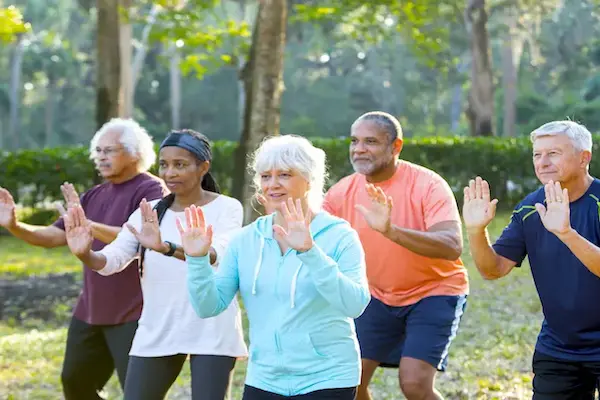
Staying active at home can feel empowering at any age, especially when the routine respects your joints, your balance, and your energy on real-life days.
Today you will get a low impact home workout for seniors that is simple, adjustable, and designed to feel steady rather than scary.
Busy schedules are not the only reason people choose home workouts, because comfort, privacy, weather, and transportation can matter just as much when you want movement to be sustainable.
This guide is built for relatively active older adults who want a senior friendly workout with clear steps, chair options, and safety reminders that keep confidence high.
Any health or exercise information here is general education, so a qualified health professional is the right person to advise you if you have medical concerns or recent changes.
Low Impact Home Workout for Seniors: How to Use This Guide Safely

Safety-focused training does not mean timid training, because the safest plan is usually the one you can repeat consistently without flare-ups, fear, or lingering pain.
A safe low impact routine is also easier to enjoy, which matters because enjoyment is often the secret ingredient behind long-term consistency.
Before starting or increasing activity, checking in with a health professional is wise if you have injuries, new symptoms, balance concerns, recent medication changes, or any condition that affects exercise tolerance.
When you already know you are cleared for movement, the next best step is choosing a gentle starting pace and letting your body guide the progression over weeks.
What “Low Impact” Means in Plain Language
Low impact means your feet stay close to the floor and you avoid pounding, hopping, or fast direction changes that can irritate joints or challenge balance unnecessarily.
Controlled movement still trains your heart and muscles, because steady rhythm and purposeful effort raise your breathing even when your steps are quiet.
Joint friendly sessions also rely on good pacing, because rushing tends to create heavier foot contact and sloppy technique, which can turn a gentle idea into an uncomfortable experience.
Comfortable effort is not “too easy,” since moderate intensity repeated often is one of the most reliable ways to build stamina and strength safely.
Quick “Green Zone” Safety Rules
- Comfort should stay in the mild-to-moderate range, because sharp, sudden, or alarming pain is a clear signal to stop and adjust.
- Breathing should feel heavier but controllable, because panic breathing usually means the pace is too high for today.
- Balance should feel supported, because using a chair or wall is a smart tool rather than a sign of weakness.
- Fatigue should feel normal, because exhaustion that lasts for days suggests you did too much too soon.
Red Flags That Deserve Medical Attention
- Chest pain, fainting, severe shortness of breath, or sudden dizziness require stopping and seeking help, because safety is always more important than finishing a set.
- New swelling, numbness, tingling, or joint instability should be evaluated, because continuing without clarity can worsen problems.
- Persistent pain that increases over days is a warning, because good training usually trends toward better comfort, not worse comfort.
Senior Friendly Workout Setup: Make Your Space Safer in Two Minutes
A calm setup reduces both fall risk and mental friction, because you will not need to “figure things out” while you are already moving and slightly breathless.
Home workouts feel safer when your environment is predictable, well-lit, and free of surprises.
Choosing a sturdy chair is one of the best upgrades for gentle home exercises, because a chair can provide support, improve balance confidence, and help you modify movements without losing the training effect.
Stable support also makes it easier to focus on posture and breathing, which often improves how joints feel during and after the session.
Space Checklist for an Apartment or Small Room
- Clear a simple “lane” where you can step forward and sideways without bumping furniture, because accidental trips often happen during transitions.
- Remove loose rugs or tape down edges if they curl, because curled corners can catch your feet when you least expect it.
- Wear supportive shoes or use a non-slip surface, because stable footing helps knees and hips track smoothly.
- Keep water nearby, because hydration supports comfort and helps breathing feel less strained.
- Position a chair next to a wall, because a chair plus a wall gives you two layers of support if balance feels uncertain.
How to Choose a Chair You Can Trust
- A sturdy chair without wheels is ideal, because rolling chairs can move suddenly and create unnecessary risk.
- A seat height that lets you stand without rocking is helpful, because rocking often increases strain on knees and lower back.
- A chair placed on a stable surface matters, because wobbling support can make you tense and reduce confidence.
Low Impact Home Cardio: How Hard Should This Feel
A low impact home workout for seniors can still improve heart health, yet the goal is steady effort rather than maximal effort, because steady effort is easier to recover from and easier to repeat next week.
Many people do best when they stay in a moderate zone where talking is possible, because that zone often builds stamina without pushing too far.
Using a simple “talk test” keeps things practical, since you should be able to speak a short sentence during movement even if you would not want to give a long speech.
When words disappear completely, slowing down or resting longer is a smart adjustment rather than a failure.
Effort Targets You Can Remember
- Warm-up should feel like a 2–3 out of 10, because preparation is about comfort and circulation rather than challenge.
- Main routine should feel like a 4–6 out of 10, because moderate effort is usually the sweet spot for safe low impact routine progress.
- Cool-down should feel like a 2–3 out of 10, because calming the system supports recovery and reduces post-workout dizziness.
Breathing Tips That Make Cardio Feel Easier
- Exhale during the harder part of each movement, because a steady exhale reduces breath-holding and tension.
- Keep shoulders relaxed and jaw soft, because tight shoulders can make breathing feel restricted.
- Slow your step speed before you shorten your rest, because pace changes intensity faster than most other factors.
Low Impact Home Workout for Seniors: The 10–20 Minute Routine
This routine is designed as plug-and-play, meaning you can choose a time option, start moving, and finish without complicated decisions.
Each movement includes a chair-supported option, because confidence grows when balance feels secure and predictable.
Three time options are included so you can match the workout to your day, because consistency matters more than perfection and a shorter session done often beats a longer session done rarely.
Progress will come from repetition and patience, because joints and balance systems tend to respond best to gradual, consistent practice.
Choose Your Time Option
- 10 minutes: warm-up plus one round of the circuit, because a short session keeps the habit alive on busy days.
- 15 minutes: warm-up plus one full circuit with a longer cool-down, because extra time can improve comfort and confidence.
- 20 minutes: warm-up plus two gentle rounds of the circuit, because added volume builds stamina when recovery feels good.
Timer Setup for the Main Circuit
- Work for 40 seconds and rest for 20 seconds, because this rhythm supports control and reduces the urge to rush.
- Complete 6 moves in a row, because six movements cover the whole body without overwhelming you.
- Rest for 60 seconds between rounds if you do two rounds, because quality movement matters more than nonstop effort.
Warm-Up: 3 Minutes of Gentle Home Exercises
A warm-up makes everything feel smoother, because warm joints move more freely and warm muscles help stabilize balance.
Gentle pacing is the point, so the warm-up should feel comfortable and easy to control.
Warm-Up Sequence
- March in place with light arm swings for 60 seconds, because rhythm wakes up breathing without impact.
- Side step-touch for 60 seconds, because lateral movement warms hips that often get stiff from sitting.
- Shoulder rolls and gentle reaches for 30 seconds, because upper-body mobility supports posture and balance.
- Ankle circles and calf raises for 30 seconds, because ankles influence stability during stepping and standing.
Warm-Up Form Cues
- Quiet feet reduce strain, because heavy steps transmit force into joints.
- Soft knees protect comfort, because locked knees often increase stiffness and wobble.
- Tall posture helps balance, because a stable trunk supports stable steps.
The Main Circuit: A Safe Low Impact Routine for the Whole Body
Six movements are enough for a senior friendly workout when they cover sit-to-stand strength, gentle pushing, hip stability, posture muscles, balance practice, and low impact home cardio rhythm.
Chair options are included for every move, because safety and confidence are more important than doing the “hardest version.”
Before starting, place the chair nearby and keep one hand close to support, because you can always use less support later as balance improves.
During each work interval, focus on smooth movement and steady breathing, because those two qualities make the session both safer and more effective.
Move 1: Sit-to-Stand or Supported Squat
Sit-to-stands build leg strength that supports stairs, getting up from chairs, and steadier walking, which makes them one of the most valuable gentle home exercises for older adults.
Controlled repetition trains thighs and hips while also practicing balance in a practical way.
- How to do it: sit tall, place feet under knees, lean forward slightly, stand up smoothly, then sit back with control without “dropping.”
- Chair-supported option: use hands on the chair or thighs as needed, because support can reduce strain while you build confidence.
- Make it easier: stand up halfway and sit back down, because partial range can still build strength safely.
- Make it harder: pause for one second while standing tall, because pauses improve balance and leg endurance without impact.
Move 2: Wall Push-Up or Counter Push-Up
Wall push-ups strengthen chest, shoulders, and arms while teaching whole-body tension, which can support posture and daily tasks like pushing doors or carrying groceries.
Incline pushing is also joint friendly when you keep the movement controlled and avoid shrugging.
- How to do it: place hands on a wall or counter, step feet back, keep a straight line from head to hips, lower slowly, then press away while exhaling.
- Chair-supported option: use the chair back for an incline press if the chair is stable, because a slightly lower angle can add challenge gradually.
- Make it easier: step closer to the wall, because a higher incline reduces the load on shoulders.
- Make it harder: move to a countertop or sturdy surface, because a lower incline increases resistance safely.
Move 3: Supported Hip Hinge
A hip hinge strengthens glutes and hamstrings while teaching safer bending mechanics, which is helpful for everyday lifting and for protecting the lower back during daily movement.
Support from a chair keeps balance steady while you learn the pattern.
- How to do it: hold the chair lightly, push hips back as if closing a drawer, keep a long spine, feel a gentle stretch in the back of the legs, then stand tall by lightly squeezing glutes.
- Chair-supported option: keep both hands on the chair if needed, because stability makes it easier to move slowly.
- Make it easier: reduce the range and move slower, because control matters more than depth.
- Make it harder: pause briefly at the bottom, because the pause builds strength in the range you can control.
Move 4: Standing Row Substitute or Posture Squeeze
Pulling strength supports posture and shoulder comfort, yet many people do not have equipment at home, so this move uses a simple posture-focused “squeeze” pattern that still trains the upper back.
When you do have a light band, you can upgrade this into a gentle band row while keeping the same safety mindset.
- No-equipment option: stand tall, pull elbows back gently as if squeezing shoulder blades toward the spine, hold one second, then release with control.
- Chair-supported option: perform the squeeze while holding the chair lightly, because stable feet make shoulder movement smoother.
- Band option: loop a light band around your feet while seated and pull back gently, because seated rows reduce balance demand.
- Make it easier: keep the squeeze smaller, because small controlled movement is still productive.
- Make it harder: hold the squeeze longer, because longer holds increase time under tension safely.
Move 5: Lateral Step or Side-to-Side Weight Shift
Lateral movement helps hips stay strong and reactive, which can support balance and reduce the “stiff side-to-side” feeling that sometimes appears with age.
Small side steps are also a great form of low impact home cardio when you keep the rhythm steady.
- How to do it: step to the side softly, bring feet together, then step the other way, keeping knees slightly bent and posture tall.
- Chair-supported option: hold the chair with one hand while stepping, because support can reduce wobble and increase confidence.
- Make it easier: keep steps tiny and slow, because quiet control matters more than distance.
- Make it harder: add a gentle arm reach, because arms can raise heart rate without making your steps louder.
Move 6: Balance Practice With Marching or Heel-to-Toe Stand
Balance improves with practice, yet practice should be safe and supported, which is why this move includes a chair and encourages you to work within a confident range.
Marching builds rhythm and coordination, while heel-to-toe stance trains steadiness in a controlled way.
- Option A marching: march in place with quiet feet and purposeful arms, because rhythmic movement supports cardio and coordination.
- Option B heel-to-toe: stand near the chair, place one foot in front of the other, hold 10–20 seconds, then switch, because steady holds train balance without speed.
- Make it easier: keep a hand on the chair, because support lets you relax and breathe.
- Make it harder: hover the fingertips instead of gripping, because reduced support increases challenge gradually.
Balance Considerations: How to Train Stability Without Taking Risks
Balance training is valuable, yet it should always be done near support, because the goal is improving confidence rather than “testing” yourself in unsafe conditions.
Most people progress faster when they feel safe, since safety reduces the tension that can actually make balance worse.
Older adults often benefit from balance practice that is frequent and short, because small daily exposures teach the nervous system that steadiness is normal.
Stability also improves when hips and ankles get stronger, which is why the circuit above includes both strength and controlled stepping.
Simple Balance Rules for Home
- Support should be within reach, because a chair or counter can prevent falls.
- Eyes should look forward, because looking down can make posture collapse and increase wobble.
- Breathing should stay calm, because breath holding can increase stiffness and reduce coordination.
- Practice should stop before fatigue makes you sloppy, because tired balance work is where mistakes happen.
Extra Balance Mini-Set You Can Add After the Workout
- Weight shift side-to-side for 30 seconds while holding a chair lightly, because shifting teaches control over your center of gravity.
- Single-leg “toe tap” behind you for 30 seconds per side with chair support, because tapping adds challenge without requiring full single-leg standing.
- Heel raises for 10–15 controlled reps, because calves and ankles contribute to steadiness during walking.
Gentle Home Exercises: Modifications for Common Comfort Issues
Modifications are smart, because discomfort is a common reason people stop, and stopping is the only thing that truly slows progress.
Your goal is to keep the routine comfortable enough to repeat, because repetition is what builds strength and confidence over time.
If Knees Feel Sensitive
- Reduce squat depth and use the chair more, because a smaller range often feels smoother immediately.
- Emphasize hinges and posture squeezes, because hip-dominant work can be kinder than knee-dominant work on some days.
- Slow down stepping and keep steps shorter, because overstriding can increase knee stress.
If Shoulders Feel Stiff or “Pinchy”
- Keep push-ups higher on the wall, because higher incline reduces shoulder load.
- Use smaller range on posture squeezes, because gentle motion often improves comfort without irritation.
- Relax the neck and avoid shrugging, because shrugging shifts work into areas that fatigue quickly.
If Lower Back Feels Tight
- Use a smaller hinge and focus on keeping ribs stacked over hips, because posture changes often reduce back discomfort.
- Move slower and rest longer, because rushing can turn a hinge into a back bend.
- Stop any motion that creates sharp pain, because pain is not a training tool.
If Balance Feels Uncertain
- Keep one hand on the chair for every standing move, because support reduces fear and allows better form.
- Choose the heel-to-toe hold instead of marching on tired days, because steady holds can be safer than repeated steps.
- Shorten the routine to one round, because quality practice beats shaky practice when balance is the focus.
Low Impact Home Workout for Seniors: Weekly Plan Options
Weekly structure reduces guessing, because knowing your plan ahead of time makes it easier to follow through when motivation is low or the day is busy.
A gentle schedule also supports recovery, which matters because recovery influences balance, energy, and joint comfort.
Most older adults do well with two to four planned sessions per week, especially when daily walking and light movement are included as “extra credit.”
Building slowly is the goal, because the safest progress usually feels almost boring while it is happening.
Schedule Option A: Two Days Per Week
- Choose two non-consecutive days, because spacing gives your body time to recover.
- Do the 10–15 minute version, because shorter sessions are easier to maintain.
- Add easy walking on other days if desired, because gentle movement supports circulation and comfort.
Schedule Option B: Three Days Per Week
- Day 1: 15-minute routine at a comfortable pace, because the first session sets the tone.
- Day 2: 10-minute routine plus balance mini-set, because small balance doses can add up quickly.
- Day 3: 15–20 minute routine depending on energy, because flexibility helps consistency.
Schedule Option C: Four Short Days
- Use the 10-minute version on four days, because frequent small sessions often feel easier than fewer long sessions.
- Keep intensity moderate, because recovery supports steadiness and reduces aches.
- Include one extra rest day if fatigue rises, because rest is a strategy, not a setback.
Progress Without Pressure: How to Make It Slightly Harder Safely
Progress feels best when it is gradual, because the body adapts to small repeated challenges without needing big jumps that create soreness or fear.
Improving a safe low impact routine can be as simple as adding a little time, a little control, or a little confidence, rather than chasing intensity.
Four Safe Ways to Progress
- Add 2–3 minutes to the session, because time is the simplest lever and usually stays joint friendly.
- Increase control by moving slower, because slow movement improves balance and muscle engagement.
- Reduce chair support slightly, because fingertip support can replace a full grip when you feel ready.
- Use a very light resistance band for rows or presses if cleared and comfortable, because bands add strength stimulus without heavy impact.
A Simple Four-Week Progression Example
- Week 1: learn the flow and keep everything easy, because confidence comes first.
- Week 2: add a second round once per week or add two minutes, because volume builds stamina steadily.
- Week 3: pause briefly during sit-to-stands and posture squeezes, because pauses strengthen control.
- Week 4: reduce support slightly during balance holds, because small confidence upgrades create meaningful progress.
Cool-Down: 2–4 Minutes to Finish Calmly
Cooling down helps your heart rate settle gradually, which can reduce lightheaded feelings and support a smoother transition into the rest of your day.
Gentle stretching is optional, because forcing stretches is not necessary for progress and can irritate sensitive joints.
Cool-Down Sequence
- Slow march or gentle walk around the room for 60 seconds, because gradual slowing supports steady recovery.
- Long exhales with relaxed shoulders for 30–60 seconds, because long exhales reduce tension quickly.
- Gentle calf stretch or ankle circles for 30–60 seconds, because lower legs often work harder than expected.
- Easy chest opening with hands behind the back or on the hips for 30 seconds, because posture work can feel soothing after pushing movements.
Quick Reference: Your Safety Checklist Before, During, and After
Checklists reduce stress, because they keep you from overthinking while still keeping safety in focus.
Keeping the process simple is part of what makes a senior friendly workout sustainable.
Before You Start
- Clear the floor and position a sturdy chair, because environmental safety prevents avoidable accidents.
- Choose the 10, 15, or 20 minute option, because deciding first reduces hesitation.
- Start with a gentle warm-up, because warm joints move more smoothly.
During the Routine
- Use the talk test, because speaking short sentences is a practical intensity guide.
- Rest longer whenever needed, because extra rest protects balance and technique.
- Stop if pain becomes sharp or alarming, because pushing through warning signs is not the goal.
After the Routine
- Drink water and notice how you feel over the next few hours, because your body’s feedback guides the next session.
- Expect mild muscle fatigue, because muscles adapt to new work even when the workout felt gentle.
- Consult a health professional if you notice concerning symptoms, because personalized guidance is the safest path forward.
Closing: Keep It Respectful, Keep It Repeatable, Keep It Yours
Low impact home workout for seniors works best when it is steady, supportive, and realistic, because the real win is building a routine that fits your life and protects your confidence.
Stronger legs, steadier balance, and calmer breathing tend to arrive through repetition, not through intensity, so starting gently is both smart and effective.
Notice: This content is independent and has no affiliation, sponsorship, or control by any institutions, platforms, brands, or third parties mentioned or implied.
If you want a simple next step, pick two days this week for the 10–15 minute version, keep a chair nearby, and let consistent practice do the heavy lifting.