
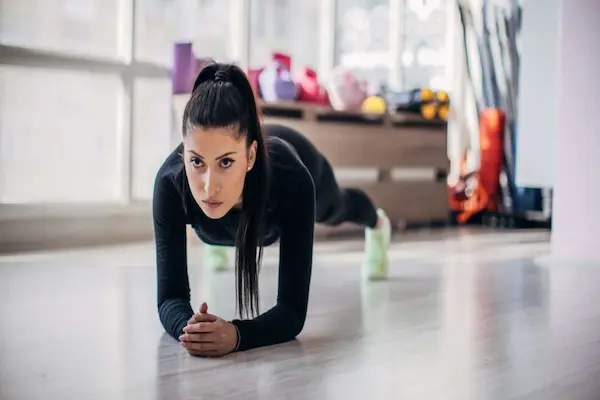
Not everyone enjoys pushups, and plenty of beginners cannot do them comfortably yet, especially when wrists, shoulders, or confidence are still catching up.
A beginner bodyweight workout no pushups can still feel complete and challenging, because strength is built through smart patterns, steady control, and repeatable practice.
Inside this no pushup routine you will find alternative upper body moves, a simple beginner bodyweight plan you can remember, and progression ideas that do not require you to “earn” the right to move.
If any movement causes sharp pain, dizziness, numbness, tingling, or symptoms that worry you, pausing and checking in with a trusted adult or a qualified health professional is the safest next step.
Beginner Bodyweight Workout No Pushups: Why Skipping Pushups Is Completely Okay
Pushups are popular because they are convenient, yet convenience is not the same thing as necessity, and your body does not need one specific exercise to get stronger.
Comfort matters because discomfort changes form, and messy form often leads to more discomfort, which can make beginners feel like exercise is a punishment instead of a skill.
Progress happens when you show up consistently, so choosing a no pushup routine can be the difference between training three times this week and training zero times this month.
Wrist sensitivity is common, especially if you type a lot or have tight forearms, and pushups often place wrists in extension that feels irritating.
Shoulder discomfort can also show up when the upper back is tight or weak, because the shoulder blade position is part of pushing mechanics even before you start pressing.
Personal preference counts too, because disliking an exercise is a valid reason to choose a different tool, since the best exercise is the one you can repeat.
Three big wins you still get without pushups
- Full-body strength still improves when your week includes squats, hinges, lunges, bridges, carries, and core stability work.
- Upper-body strength still grows through isometrics, posture drills, and controlled shoulder movements that teach your body to stabilize and produce force.
- Conditioning still builds with low-impact cardio patterns like marching, step jacks, and shadow boxing, especially when you keep effort steady and repeat sessions often.
A helpful mindset shift for beginners
Instead of thinking “I can’t do pushups,” treat the situation as “I’m choosing other upper-body options today,” because choice builds confidence faster than shame.
Skipping one move does not mean skipping progress, because progress is a collection of habits, not a single exercise you must master immediately.
How This Beginner Bodyweight Plan Stays Balanced Without Pushups
A complete beginner bodyweight plan is built around patterns, not around trendy moves, because patterns cover what your body needs in everyday life.
Lower-body patterns handle stairs, standing, and carrying, while core stability keeps your spine steady during the chaos of real movement.
Upper-body work still matters, so this plan uses alternative upper body moves that focus on shoulder blades, posture muscles, and safe tension without wrist-loaded pushing.
The five patterns you will train in this no pushup routine
- Squat pattern for legs and daily strength.
- Hinge pattern for hips, hamstrings, and a supported back.
- Lunge or single-leg pattern for balance and stability.
- Core stability pattern for control, posture, and safer movement.
- Upper-body support pattern using posture, pulling substitutes, and isometrics that train your shoulders and upper back without pushups.
Intensity targets that keep training beginner-friendly
Moderate effort is the sweet spot for most beginners, which means you feel challenged while still able to speak in full sentences without gasping.
Aiming for about a 6 or 7 out of 10 effort keeps form cleaner, reduces soreness drama, and makes it easier to train again in two days.
Harder sessions can exist later, although consistency usually grows faster when your workouts feel doable rather than terrifying.
Space, Setup, and Safety Notes Before You Start
Small spaces can absolutely work, because this beginner bodyweight workout no pushups is designed to stay mostly in place with quiet steps and controlled transitions.
Good footing matters because slipping creates sudden corrections, and sudden corrections are often when knees and backs complain.
Hydration helps, and a quick sip of water can also reduce the lightheaded feeling that sometimes happens when you move after sitting for long stretches.
Two-minute setup checklist
- Clear an arm’s length around you, because reaching and stepping should not require dodging furniture.
- Check the floor for cords, loose rugs, or slippery socks, because stable feet create stable movement.
- Choose a comfortable outfit that lets you bend and breathe, because tugging on tight clothing pulls you out of good posture.
- Keep water nearby and consider a small towel, because sweaty hands and sweaty floors can surprise you.
- Set a simple timer, because structure makes it easier to start and easier to finish.
Stop-and-check signals that deserve respect
- Dizziness, nausea, or feeling faint should prompt a pause, a seated rest, and a calmer restart only if you feel steady again.
- Sharp pain, joint catching, swelling, or pain that changes how you move is a signal to stop and adjust rather than push through.
- Numbness, tingling, radiating pain, chest pressure, or unusual shortness of breath should be discussed with a trusted adult or a qualified health professional.
Warm-Up for a Beginner Bodyweight Workout No Pushups
Warming up helps your joints feel less creaky, and a smoother first round often makes the entire workout feel more confident.
Breathing slowly during the warm-up reduces tension in shoulders and neck, which is especially helpful when you are training upper-body posture moves.
Three to five minutes is enough for most beginners, so you do not need a long ritual to get started.
5-minute warm-up sequence
- March in place for 60 seconds with soft feet and relaxed shoulders, because gentle rhythm wakes up circulation quickly.
- Shoulder rolls backward for 30 seconds, because upper-back stiffness often shows up after screen time.
- Hip hinge practice for 8 slow reps, sliding hips back while keeping a long spine and soft knees.
- Easy squats for 8 slow reps to a comfortable depth, keeping weight balanced through your whole foot.
- Standing side reach for 30 seconds per side with a long exhale, keeping ribs soft instead of flared.
- Two calm breaths with longer exhales, because longer exhales can help your body downshift into steadier movement.
Short warm-up option for busy days
- March for 45 seconds, then do 5 slow squats, then do 3 gentle hinges, then finish with one long exhale.
The No Pushup Routine: Full-Body Circuit You Can Repeat
This no pushup routine uses eight simple stations, because fewer stations makes the workout easier to remember and easier to repeat weekly.
Timed intervals remove rep-count anxiety, so your job becomes moving well and breathing steadily instead of obsessing over numbers.
Two rounds is plenty for many beginners, while three rounds can work on higher-energy days when technique stays smooth.
How to run the circuit
- Choose 40 seconds of work and 20 seconds of rest for a steady, beginner-friendly rhythm.
- Use 30 seconds of work and 30 seconds of rest if you are brand new, sore, or low-energy.
- Rest 60 to 120 seconds between rounds, because round-to-round recovery keeps form clean.
- Keep intensity moderate, because a repeatable routine beats a one-time burnout session.
The 8-move circuit overview
- Squat pattern: Chair squat or air squat.
- Hinge pattern: Good morning hinge.
- Glute and hip strength: Glute bridge.
- Single-leg control: Reverse lunge or split-squat hold.
- Upper-body pull substitute: Prone “W” raise or standing back squeeze.
- Upper-body chest and arm tension without pushups: Palms-press isometric.
- Core stability: Dead bug or side plank on knees.
- Low-impact cardio finisher: Power march, step jacks, or shadow boxing.
Move 1: Chair Squat or Air Squat
Leg strength supports everything from stairs to sports to simply standing up without effort, so squats are a perfect beginner foundation move.
Control matters more than depth, because forcing deep positions too soon can irritate knees or ankles and ruin confidence.
Breathing out as you stand often helps posture stay steady, especially when fatigue starts creeping in.
How to do it
- Set feet about shoulder-width, letting toes turn out slightly if that feels natural.
- Send hips back and down as if sitting, keeping your chest lifted and your weight balanced through your whole foot.
- Pause briefly where you still feel stable, then push the floor away to stand tall without snapping your knees.
Options
- Easier: Tap a chair lightly and stand again, using the chair as a depth guide rather than collapsing onto it.
- Standard: Air squat to a comfortable depth with a smooth tempo.
- Harder: Lower for three seconds and pause for one second, because tempo increases difficulty without adding impact.
Form cues
- Knees track comfortably over toes rather than collapsing inward.
- Heels stay grounded, because heels lifting usually means the depth is too aggressive today.
- Neck stays long, because craning your head up can create tension that spreads into shoulders.
Move 2: Good Morning Hinge
Hinges teach your hips to do the work of bending, which helps your lower back feel more supported during daily life.
A good hinge looks calm and controlled, because the goal is skill, not speed.
Smaller range is still effective, especially while your hamstrings and hips are learning what the movement feels like.
How to do it
- Stand tall with soft knees and hands on thighs for guidance.
- Push hips back as your torso tips forward, keeping your spine long and your gaze slightly ahead.
- Stop when hamstrings feel a mild stretch, then return to standing by squeezing glutes gently.
Options
- Easier: Short-range hinge with extra pauses at the top, because breathing resets help technique.
- Standard: Comfortable-range hinge with smooth up-and-down rhythm.
- Harder: Add a one-second pause near the bottom while staying stable and breathing.
Form cues
- Weight stays in mid-foot and heel, because tipping into toes often makes hinges feel shaky.
- Ribs stay stacked over pelvis, because rib flare tends to create low-back arching.
- Shoulders stay down, because shrugging steals focus and increases neck tension.
Move 3: Glute Bridge
Glute bridges train hips without requiring you to balance, which makes them beginner-friendly and surprisingly effective.
A bridge should feel like glutes working, not like your lower back crunching, so a smaller lift is often the smarter version.
Steady breathing during the top position keeps the movement calmer and helps you avoid holding tension in your face and neck.
How to do it
- Lie on your back with knees bent and feet flat, placing heels comfortably close to your glutes.
- Exhale gently and lift hips until your body forms a long line from shoulders to knees.
- Pause briefly while breathing, then lower slowly as if you are placing your hips down quietly.
Options
- Easier: Hold the top for 10 to 20 seconds with a slightly lower hip height, keeping ribs soft and breath calm.
- Standard: Smooth reps throughout the interval, focusing on controlled lowering.
- Harder: Add a three-second lower or hold the top for two breaths each rep, because time under tension increases challenge fast.
Form cues
- Knees stay aligned over feet, because knees collapsing inward reduces glute engagement.
- Ribs stay soft, because rib flare often creates a low-back arch that feels uncomfortable.
- Neck stays relaxed, because pressing the head into the floor can create unnecessary tension.
Move 4: Reverse Lunge or Split-Squat Hold
Single-leg strength matters because walking, stairs, sports, and balance all rely on one leg supporting you at a time.
A reverse lunge is often easier than a forward lunge, because stepping back can feel more controlled and less knee-irritating for beginners.
Quiet steps are a great form cue, because stomping usually means you are dropping instead of controlling.
How to do the reverse lunge
- Stand tall and step one foot back softly, keeping most weight over the front foot.
- Lower straight down to a comfortable depth, keeping torso tall and hips facing forward.
- Push through the front foot to return to standing, then switch sides after a set time or number of reps.
Options
- Easier: Split-squat hold with a smaller range, because holding often feels steadier than stepping.
- Standard: Reverse lunge steps with calm pace and smooth transitions.
- Harder: Add a one-second pause near the bottom, because pauses build strength without adding impact.
Form cues
- Front knee stays comfortable, because pain is your signal to reduce range or adjust stance length.
- Torso stays tall, because collapsing forward often shifts stress into the low back.
- Feet stay quiet, because quiet feet usually means controlled movement.
Move 5: Alternative Upper Body Move for “Pulling” Without Equipment
Pulling movements are harder to copy at home without gear, yet your upper back still deserves attention because posture muscles protect shoulders and neck during daily life.
A small range can be plenty, because posture strength is about control and awareness, not about huge dramatic lifts.
Two options are included so you can choose the one that feels best in your space and your body.
Option A: Prone “W” Raise
- Lie face down with forehead resting on a folded towel or on your hands, keeping your neck relaxed.
- Bend elbows into a “W” shape with thumbs pointing up, then lift elbows and hands a small amount while squeezing shoulder blades down and back.
- Hold for one second, then lower softly with control and repeat.
Option B: Standing Back Squeeze
- Stand tall and pull elbows back as if gently pinching shoulder blades together, keeping shoulders away from ears.
- Hold for one to two seconds, then relax fully before the next rep.
Options and cues
- Easier: Make the squeeze smaller and slow the tempo, because too much height often turns into neck tension.
- Standard: Smooth reps with steady breathing and relaxed jaw.
- Harder: Add a three-second hold every third rep, because longer holds build endurance quietly.
- Key cue: Shoulders stay down, because shrugging shifts work away from the right muscles.
Move 6: Upper-Body Tension Without Pushups Using Isometrics
Isometrics are a beginner-friendly secret, because you can create real muscle effort without moving through ranges that feel uncomfortable.
A palms-press isometric trains chest, shoulders, and arms while keeping wrists neutral and avoiding pushup positions entirely.
Breathing during the hold matters, because breath-holding can make you dizzy and can increase tension in your neck.
Palms-press isometric (no equipment)
- Sit or stand tall and place palms together in front of your chest, keeping shoulders relaxed and elbows slightly down.
- Press palms together gradually until you feel your chest and arms engage, aiming for firm pressure rather than maximum strain.
- Hold for 10 to 20 seconds while breathing steadily, then release fully and shake arms out gently.
- Repeat 2 to 4 holds, resting one slow breath between holds so your shoulders stay relaxed.
Isometric variations when you want more options
- Overhead palms press: press palms together overhead within a comfortable range, keeping ribs soft so you do not arch your back.
- Self-resisted biceps hold: place one hand under the other wrist and curl gently while the other hand resists, keeping the motion slow and controlled.
- Self-resisted triceps press: press one palm down onto the other forearm while extending the elbow slowly, keeping shoulders down and jaw relaxed.
Form cues that keep isometrics safe
- Neck stays long, because pushing the head forward often creates tension that makes the hold feel worse.
- Shoulders stay down, because shrugging makes the exercise feel harder in the wrong place.
- Breath stays steady, because steady breathing is the difference between “strong” and “strained.”
Move 7: Core Stability Without Pushups
Core training helps your whole body feel more coordinated, because a steady trunk makes legs and arms work more efficiently.
Dead bugs are excellent for beginners because they build control without neck strain, which is a common issue when people do crunch-heavy routines.
Side planks on knees are also a great option, especially when you want lateral strength that supports posture.
Option A: Dead bug
- Lie on your back with knees bent and arms toward the ceiling, then exhale gently so ribs soften down without forcing your low back flat.
- Lower one heel toward the floor while reaching the opposite arm overhead, moving slowly enough that your torso stays steady.
- Return to start with control and switch sides, stopping before your low back arches.
Option B: Side plank on knees
- Lie on your side with knees bent and forearm under your shoulder, then lift hips so your body forms a straight line from head to knees.
- Hold for 10 to 25 seconds while breathing calmly, then lower with control and switch sides.
Core form cues that protect your back
- Ribs stay stacked over pelvis, because rib flare often leads to low-back arching.
- Breathing stays smooth, because breath-holding usually means the version is too hard today.
- Range stays controlled, because chasing distance can sacrifice stability.
Move 8: Low-Impact Cardio Finisher for a Beginner Bodyweight Plan
Cardio can be joint-friendly and quiet, because strong arm drive and steady rhythm can raise heart rate without jumping.
Conversation-level breathing is a smart target, because finishing a session energized is more repeatable than finishing completely cooked.
Three cardio choices are included so you can match the option to your space and mood.
Pick one cardio option
- Power march: march in place with strong arm swings and soft feet, increasing pace slightly only if steps stay quiet.
- Step jacks: step one foot out while arms lift, then return and switch sides in rhythm without hopping.
- Shadow boxing: punch combinations while feet stay grounded, adding gentle torso rotation for a satisfying full-body feel.
Two easy intensity dials for home cardio options
- Arm drive dial: make arms sharper and bigger before making feet faster, because arms increase effort without increasing impact.
- Rest dial: shorten rests slightly when you want more challenge, then lengthen rests when breathing becomes frantic.
Cool-Down That Helps You Finish Feeling Better
Cooling down helps your nervous system shift from effort to recovery, which can reduce the “wired” feeling after circuits.
Gentle stretches should feel relieving rather than intense, because forcing range can increase tension instead of releasing it.
Two to five minutes is enough, so keep it simple and consistent.
3–5 minute cool-down sequence
- Walk slowly around your space for 60 seconds while breathing steadily.
- Chest opener for 30 to 45 seconds by pulling elbows gently back, keeping ribs soft rather than flared.
- Hip flexor stretch for 30 seconds per side with a comfortable range and tall posture.
- Hamstring hinge stretch for 30 seconds with soft knees, stopping before your back feels strained.
- Four slow breaths with longer exhales, because longer exhales can help your body settle.
Progression Ideas for Beginners Who Want to Improve Without Pushups
Progress does not require adding pushups later unless you actually want to, because many people get strong without ever making pushups their main goal.
Upgrades work best when they feel small, because small upgrades are easier to repeat and easier to recover from.
Tempo, pauses, and extra rounds are your best tools, since those changes increase difficulty while keeping your exercise list familiar.
Five quiet ways to progress
- Add one extra round once per week, because volume is the simplest progression tool for bodyweight training.
- Slow the lowering phase to three seconds on squats, hinges, lunges, and bridges, because time under tension increases challenge quickly.
- Add a one-second pause at the hardest point, because pauses remove momentum and build control.
- Extend isometric hold time by 5 seconds, because longer holds build endurance safely.
- Reduce rest slightly while keeping breathing calm, because faster recovery between efforts is real fitness progress.
A simple 4-week progression map you can follow
- Week 1: two rounds at a comfortable pace, focusing on learning form and breathing steadily.
- Week 2: keep two rounds, then add small pauses on squats and hinges while leaving everything else unchanged.
- Week 3: add a third round once that week, or increase work intervals from 30 seconds to 40 seconds if you started shorter.
- Week 4: choose one upgrade only, like longer isometric holds or slightly shorter rests, then keep the rest stable.
Alternative Upper Body Moves Menu for “No Pushup” Days
Variety keeps things fun, and having options prevents the “I guess I can’t train upper body” myth from taking over.
These alternative upper body moves focus on shoulder stability, posture strength, and safe tension, because those are the building blocks that make later strength goals easier.
Choose two or three options and sprinkle them into your week, especially on days when you want extra upper-body attention without pushups.
Upper-body options that do not look like pushups
- Wall slides: slide arms up and down a wall slowly, keeping ribs soft and shoulders down, which helps posture and shoulder control.
- Floor “snow angels”: lie face down or on your back and sweep arms slowly, staying in a pain-free range to build shoulder mobility and control.
- Prone T raises: lie face down and lift arms out to the sides slightly, squeezing shoulder blades gently without cranking your neck.
- Reverse plank or tabletop hold: sit with hands behind you and lift hips gently if comfortable, building posterior shoulder and core support without pushups.
- Seated shadow boxing: punch combinations with controlled speed, building arm endurance and coordination in a beginner-friendly way.
- Self-resisted rows: pull one hand against the other as if rowing, keeping shoulders down and squeezing upper back without equipment.
How to choose the right upper-body option today
- Shoulder tightness suggests choosing wall slides or gentle angels, because mobility often makes strength feel better.
- Low confidence suggests choosing isometrics, because holds build strength without complex technique.
- High energy suggests choosing boxing intervals, because conditioning can train arms without wrist-loaded pushing.
Troubleshooting Discomfort Without Losing Momentum
Discomfort does not automatically mean you should quit, because many issues can be solved by smaller range, slower pace, and smarter rest.
Curiosity helps, because asking “Which part feels off?” often reveals a quick adjustment that makes the session feel safe again.
Persistent or worsening pain deserves professional input, because guessing is not a good long-term strategy for health.
If knees feel cranky during squats or lunges
- Reduce depth and slow down, because shallow controlled reps can be far more joint-friendly than deep rushed reps.
- Use chair squats or split-squat holds, because added stability often reduces irritation.
- Shorten stance slightly, because an overly long step can stress knees and hips for some beginners.
If low back feels tight during hinges or bridges
- Make the hinge smaller and focus on hips moving back, because too much range too soon can cause rounding or arching.
- Keep ribs soft and exhale during effort, because breath can reduce rib flare and low-back arching.
- Lower bridge height slightly, because overextending at the top often shifts tension into the back.
If shoulders feel tense during posture work
- Reduce arm height and focus on “shoulders down,” because height is less important than the right muscle feeling.
- Relax your jaw and slow your breathing, because facial tension often creates shoulder tension.
- Use shorter sets with more rest, because fatigue can turn posture drills into shrugging drills.
Scheduling This Beginner Bodyweight Workout No Pushups in Your Week
A weekly plan reduces decision fatigue, because the hardest part for beginners is often choosing what to do, not doing the work itself.
Two to four sessions per week is a great range, because recovery helps you adapt and helps your motivation stay steady.
Short movement breaks on off days still count, because walking and mobility help soreness fade faster.
2-day schedule option
- Day 1: full circuit for 2 rounds, then a short cool-down.
- Day 2: full circuit for 2 rounds, then add one extra upper-body option from the menu.
- Between days: light walking or gentle mobility, keeping effort easy and relaxed.
3-day schedule option
- Day 1: circuit for 2 rounds at moderate effort.
- Day 2: low-impact cardio day with marching, step jacks, or boxing intervals for 10 to 20 minutes.
- Day 3: circuit for 2 to 3 rounds, adding longer isometric holds if you feel strong.
4-day schedule option for people who like frequent short sessions
- Day 1: circuit for 2 rounds, focusing on smooth form.
- Day 2: mobility and posture session, using wall slides, angels, and slow breathing.
- Day 3: circuit for 2 rounds with tempo squats and tempo hinges.
- Day 4: cardio and core day, using marching or boxing plus dead bugs and side planks on knees.
Reassurance for Beginners Who Feel “Behind” Because They Skip Pushups
Feeling behind is common, yet the truth is that most strong people built strength by choosing options they could repeat, not by forcing moves that made them miserable.
A no pushup routine can be a smart long-term plan, because comfort supports consistency and consistency supports progress.
Confidence grows when you stop treating fitness like a test, and start treating it like practice you can improve over time.
Three reminders that keep motivation calm
- Your workout counts when you show up, even if you modify half the moves.
- Progress is built through weeks, not through one perfect session.
- Options are a sign of wisdom, because smart training adapts to your body instead of fighting it.
Final Notes and Independent Content Notice
A beginner bodyweight workout no pushups can build strength, stamina, and confidence when you focus on patterns, posture, and repeatable effort rather than on one specific exercise you “should” be doing.
Notice: this content is independent and has no affiliation, sponsorship, or control over any institutions, platforms, brands, or third parties mentioned or implied.
Any health concerns, injuries, or persistent symptoms should be discussed with a trusted adult and a qualified health professional, because personalized guidance is the safest path when your body sends strong signals.