
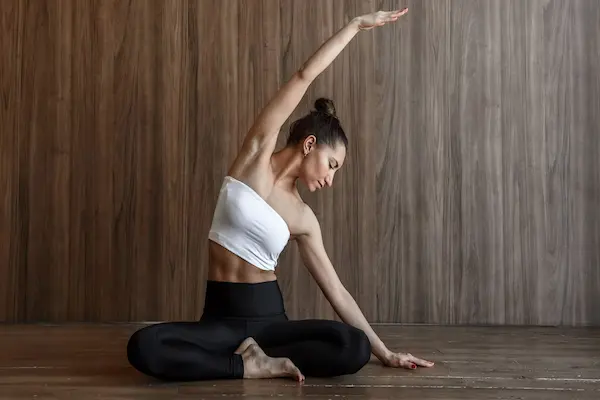
Waking up stiff can feel like your body is asking for extra patience before you ask it to do anything productive, so this morning stretching routine for beginners is designed to meet you exactly where you are.
Instead of chasing big ranges of motion, you will use gentle, steady movements and calm breathing to create warmth, comfort, and a sense of ease that can follow you into the rest of your day.
What makes mornings feel tight, and why gentle movement helps
Morning stiffness is often a normal response to hours spent in one position, which can leave joints feeling a little “rusty” until movement brings more circulation and lubrication back into the tissues.
Sleep positions, pillow height, mattress firmness, and how you hold tension in your jaw, shoulders, or hips can all influence where you feel tightness first when you open your eyes.
Small movements can feel surprisingly powerful in the morning because your nervous system is shifting from rest into action, and a slow warm-up helps that transition feel safe rather than jarring.
Gentle stretching works best when it is paired with easy breathing, because relaxed breaths tend to reduce bracing and invite muscles to soften instead of resisting the stretch.
Comfort matters more than intensity in the first minutes after waking, since staying within a pleasant range usually builds consistency and prevents the “I overdid it” feeling that makes people quit.
Morning stretching routine for beginners: your calm 5–10 minute flow
This sequence is meant to feel like a soft landing for your body, so you will move slowly, pause often, and treat every position as optional based on how you feel today.
A complete round can take five minutes when you keep each stretch brief, while a slower pace with longer breaths can easily expand the same routine toward ten minutes.
Most stretches can be done beside your bed or in a small space, which makes it easier to follow through even on mornings when motivation feels low.
Before you start: a quick setup that makes the routine feel easier
- Choose a spot where you can stand, sit, or kneel without feeling rushed or cramped.
- Wear something that lets you breathe comfortably, especially around your ribs and belly.
- Keep a chair, bed edge, or wall nearby so balance never becomes the main challenge.
- Decide on a simple timer idea, like five slow breaths per position, so you do not need to watch the clock.
- Adopt one rule that protects you: no sharp pain, no numbness, and no forcing a stretch that makes you hold your breath.
How to use breathing without overthinking it
- Inhale through the nose if possible, letting the belly and ribs expand gently rather than lifting the shoulders.
- Exhale slowly as if fogging a mirror, allowing the jaw, neck, and upper traps to soften as the air leaves.
- Match movement to breath by moving into the stretch on the exhale and easing off slightly on the inhale.
- Return to normal breathing anytime you feel lightheaded, since comfort is the point and breath should never feel like a test.
Step-by-step sequence overview
- Breath and posture reset.
- Neck and upper back release.
- Shoulder rolls and chest opener.
- Cat–cow spine wave.
- Hip hinge hamstring wake-up.
- Hip flexor and front-of-hip opening.
- Figure-four glute stretch.
- Calves, ankles, and a gentle full-body reach.
1) Breath and posture reset
Begin standing tall or sitting at the edge of your bed, letting your hands rest softly on your thighs so the shoulders can drop without effort.
Imagine the crown of your head floating upward while the tailbone drops heavy, which creates space through the spine without forcing you to “sit up straight” in a tense way.
Take three to five slow breaths, noticing where you feel tight first, and treat that awareness as useful information rather than a problem you must fix immediately.
- Inhale gently and feel the ribs expand sideways like an umbrella opening.
- Exhale slowly and let the shoulders melt down and back without squeezing them together.
- Repeat the cycle while keeping your face soft, especially around the eyes and jaw.
- Choose a smaller breath if deep breathing creates tension in your chest or throat.
- Support your back against a headboard or wall if sitting upright feels tiring this early.
- Stop and reset if you catch yourself bracing the belly like you are preparing for a punch.
2) Neck and upper back release
Necks often feel stiff because they worked all night holding your head in one position, so the goal here is gentle motion that feels like lubrication rather than a hard pull.
Keep the movement small at first, because your body tends to relax more when it senses you are staying in a safe zone.
- Tuck the chin slightly as if making a “yes” nod, then return to neutral without dropping the head far forward.
- Turn your head slowly left and right as if scanning the room, keeping the motion smooth and unforced.
- Finish with a tiny ear-to-shoulder tilt on each side, stopping well before anything feels sharp or pinchy.
- Exhale as you move into each direction, then inhale as you return toward center.
- Keep the shoulders heavy, since shoulder shrugging often steals the stretch away from the neck.
- Skip side tilts if you feel tingling, nerve-like sensations, or sudden grabbing in the neck.
3) Shoulder rolls and chest opener
Shoulders can feel glued in place after sleep, especially if you curl forward or hug a pillow, so slow circles can restore a sense of spaciousness across the upper chest.
Think of this as a wake up routine for your shoulder blades, because they should glide rather than lock down as you move.
- Roll both shoulders up, back, and down in a slow circle for five repetitions.
- Reverse the direction and roll up, forward, and down for five repetitions.
- Interlace fingers behind your back only if it feels easy, then gently lift the hands an inch while keeping the ribs from flaring.
- Let the inhale help the chest widen, while the exhale helps the shoulders settle away from the ears.
- Use a towel held behind your back if your hands do not comfortably reach each other.
- Stay below any sensation of shoulder pinch, because the front of the joint should feel open, not jammed.
4) Cat–cow spine wave
This classic movement is a friendly way to warm the entire spine, because it alternates gentle flexion and extension without requiring deep end-range stretching.
Choose hands-and-knees on a mat, hands on the bed, or forearms on a countertop, because the best version is the one that feels stable and relaxed today.
- Inhale and gently arch the back, letting the chest open as the tailbone tips back in a mild “cow” shape.
- Exhale and round the back, letting the belly draw slightly in as the shoulder blades spread in a soft “cat” shape.
- Continue for five slow cycles, keeping the neck long and the gaze down so you do not crank the head upward.
- Move like a wave traveling through the spine rather than like two separate poses you slam into.
- Widen the hands if wrists feel sensitive, or switch to fists or forearms if that feels better.
- Reduce range if the lower back feels compressed, because comfort is your guide for the whole routine.
5) Hip hinge hamstring wake-up
Hamstrings often feel tight in the morning because they cross both the hip and knee, so a gentle hinge can wake them up without yanking on your lower back.
Keep your knees softly bent, since locked knees are a common reason beginners feel strain rather than stretch.
- Stand with feet hip-width apart and place hands on the front of your thighs.
- Hinge at the hips by sliding hands down the thighs, keeping the spine long and the chest slightly forward.
- Pause when you feel a mild stretch behind the legs, then return to standing with control.
- Repeat for five slow hinges, gradually exploring a little more range only if it stays pleasant.
- Exhale as you hinge down, then inhale as you rise back up to neutral.
- Use a chair in front of you and rest hands on it if balance or back comfort is a concern.
- Stop immediately if you feel sharp pulling behind the knee, because that usually means the range is too deep.
6) Hip flexor and front-of-hip opening
Sitting a lot and sleeping curled can leave the front of the hips feeling short, so this gentle morning stretch helps you stand taller without pushing into an uncomfortable lunge.
Pick a half-kneeling position with one knee down, or do a standing version holding the wall, because stability makes it easier to relax into the stretch.
- Place one foot forward and one knee down, using a folded towel under the knee if needed.
- Stack the ribs over the pelvis, then gently tuck the tailbone as if you are zipping up tight jeans.
- Shift forward a few centimeters until you feel a mild stretch at the front of the back hip.
- Hold for three to five breaths, then switch sides and repeat with the same calm pace.
- Soften the glute of the back leg slightly, because that often increases the stretch without needing to go deeper.
- Keep the low back from arching, since excessive arching tends to create pressure rather than openness.
- Choose the standing version if kneeling irritates knees, placing the back foot behind you and gently shifting weight forward.
7) Figure-four glute stretch
Tension in the glutes and outer hips can make the lower back feel stiff, so a gentle figure-four is a simple flexibility start that many beginners find soothing.
Use the bed edge or a chair for support, because wobbling can trigger guarding that blocks the stretch you want.
- Sit tall and cross one ankle over the opposite knee, creating a “4” shape with the legs.
- Flex the foot of the crossed leg gently, as if pulling toes back toward the shin.
- Lean forward slightly from the hips until you feel a mild stretch in the outer hip of the crossed leg.
- Take three to five slow breaths, then switch sides and repeat with the same gentle intensity.
- Exhale as you lean forward, then inhale as you subtly lengthen the spine without forcing more depth.
- Keep the knee of the crossed leg from being pushed down, because pressure can irritate the joint for some bodies.
- Modify by placing the foot lower on the opposite shin if the full position feels too intense.
8) Calves, ankles, and a gentle full-body reach
Calves and ankles quietly influence how your whole body moves, so waking them up can make walking, stairs, and standing feel smoother right away.
Finish with a simple reach that makes you feel longer and lighter, like you have space from your feet all the way to the crown of your head.
- Stand facing a wall and place hands on it at chest height for support.
- Step one foot back, keep the heel down, and bend the front knee until you feel a mild calf stretch in the back leg.
- Hold for three breaths, then bend the back knee slightly to shift the stretch lower toward the Achilles area.
- Switch sides and repeat the same two calf positions with the same calm breath.
- Finish by standing tall, reaching both arms overhead, and taking one slow breath as you grow upward without shrugging.
- Let the exhale soften the calf, because gripping the toes or clenching the jaw often increases lower-leg tension.
- Place a towel under the heel if your ankle feels sensitive, keeping the sensation gentle and controlled.
- Keep the reach relaxed, since forcing the shoulders up can undo the calm you built earlier.
Gentle morning stretches: pacing that keeps everything comfortable
A slow pace usually feels better than a fast pace in the morning, because tissues tend to respond best when your nervous system stays calm and cooperative.
Short holds of two to five breaths can be enough at first, especially when you are building a habit and learning how your body reacts day to day.
Longer holds can be added later, but only after you notice that shorter versions consistently leave you feeling better rather than sore.
Two timing options you can choose from without thinking too hard
- Choose the five-minute version by taking three breaths per stretch and moving on while everything still feels easy.
- Select the ten-minute version by taking five breaths per stretch and adding one extra round of cat–cow and hip hinges.
- Use a “half routine” on busy days by doing only breath reset, cat–cow, and calves so you still keep the habit alive.
Intensity guide for beginners who wake up stiff
- Aim for a sensation that feels like a gentle pull or warmth, not a sharp sting or a deep ache.
- Back off slightly if you notice your breath shortening, your face tightening, or your shoulders creeping upward.
- Return to smaller movement when you feel shaky, because the goal is smooth control rather than impressive range.
Wake up routine habits that make consistency feel natural
Consistency becomes easier when the routine fits your real mornings, so the best plan is the one that matches your energy level rather than your perfect imaginary schedule.
A small ritual can cue your body automatically, which means you do not need willpower every day just to begin.
Easy cues that start the routine almost on autopilot
- Place your mat or a folded towel where you will see it the moment you stand up.
- Attach the routine to something you already do, like brushing teeth or starting the kettle.
- Keep the first step absurdly simple, like one breath with shoulders relaxed, so starting never feels heavy.
Common barriers and calm solutions
- When time feels tight, complete only three stretches and tell yourself you are protecting the habit, not failing the plan.
- If motivation disappears, start with cat–cow or shoulder rolls, because movement often creates motivation after the first minute.
- When stiffness is intense, shorten the ranges and add more breath, since forcing depth usually increases resistance.
Simple flexibility start: a gentle way to progress over four weeks
Progress in flexibility tends to come from patient repetition, because your body adapts best when it trusts the process and feels safe exploring range.
Small changes stack up when you show up regularly, even if each session feels modest in the moment.
Week-by-week progression that stays beginner-friendly
- During week one, keep every stretch at three breaths and focus on learning what “comfortable” truly feels like in your body.
- In week two, add one extra breath to your tightest two stretches, while keeping everything else exactly the same.
- Across week three, increase smoothness by slowing transitions and minimizing jerky movements that can trigger tension.
- For week four, repeat the whole routine twice on one or two days, separating rounds with one relaxed minute of standing breathing.
Signs you are progressing in a healthy way
- Movement feels easier earlier in the day, even if your range does not look dramatically different.
- Breathing stays calm during stretches that used to make you tense or impatient.
- Daily activities like bending, reaching, and walking feel smoother and less guarded.
Morning stretching routine for beginners: form cues that prevent strain
Beginner routines work best when they reduce strain, because a single uncomfortable session can create worry that makes the next morning harder to start.
Gentle form cues keep your body organized, which often creates more ease than pushing deeper ever could.
Technique reminders that protect your neck, back, and joints
- Keep the neck long and neutral, because craning the head forward often increases upper-back tightness.
- Soften the ribs down toward the pelvis, since rib flaring can jam the lower back during hip openers.
- Bend knees when hinging, because slight knee softness often turns strain into a clean hamstring stretch.
- Move slowly enough that you could stop at any moment, since control is a reliable sign you are in a safe range.
Breathing red flags that mean you should lighten the stretch
- Holding your breath usually means the intensity is too high for your system right now.
- Short, choppy breathing often signals bracing, which can make stretches feel sharp instead of soothing.
- Sighing aggressively can be a cue to pause and reset, because forcing relaxation rarely works as well as easing off.
Safety notes, comfort rules, and when to pause
Stretches should feel steady and kind, so any sharp pain, numbness, tingling, or joint pinching is a clear sign to stop and choose a gentler variation.
Medical conditions, recent injuries, and persistent symptoms deserve professional guidance, so consider checking with a qualified clinician if you are unsure what is safe for your body.
Notice: this content is independent and has no affiliation, sponsorship, or control by any institutions, platforms, or third parties mentioned.
Comfort-range rules that keep this routine safe
- Stay at an intensity where you can keep breathing slowly and your face stays relaxed.
- Choose sensation over shape, because a “perfect-looking” stretch can still be wrong for your joints.
- Reduce range on cold mornings, stressful days, or after poor sleep, because your nervous system can be more protective then.
- Avoid bouncing, since bouncing can trigger reflexive tightening that makes stiffness feel worse afterward.
When to switch from stretching to gentler movement instead
- When you feel unstable or shaky, choose slow cat–cow waves or shoulder rolls rather than long holds.
- If soreness lingers from yesterday, use the five-minute version with smaller ranges and more breathing.
- Whenever you feel anxious about a position, select a supported option with a chair, wall, or bed edge.
Common mistakes beginners make, and what to do instead
Many beginners think stretching should feel intense to be effective, yet the most useful morning routines often feel almost too easy while they quietly improve your day.
Gentleness builds trust, and trust makes your body more willing to release tension over time.
- Rushing through movements can create strain, so slow down and let each transition feel smooth and deliberate.
- Locking knees during forward folds can irritate the back of the knee, so keep a soft bend and hinge from the hips.
- Shrugging during overhead reaches can tighten the neck, so keep shoulders heavy and think of reaching through fingertips gently.
- Pushing into pain can backfire, so treat discomfort as a signal to reduce range and breathe more calmly.
- Skipping breathing cues can make everything feel harder, so pair exhale with the stretch and inhale with the reset.
Quick 60-second mini option for the busiest mornings
Some days you only have a minute, and a tiny routine still counts because it reminds your body that mornings can feel friendly rather than stiff.
- Take one slow breath with shoulders relaxed and feet grounded.
- Do three shoulder rolls and one gentle neck turn each direction.
- Perform two cat–cow waves on the bed or at the wall.
- Finish with one supported calf stretch on each side for a single breath.
FAQ for a morning stretching routine for beginners
Should I stretch before coffee or after breakfast?
Either works, yet many people find it easiest to do gentle morning stretches before food, because the routine is short and it sets a calm tone before the day speeds up.
How soon should I feel a difference?
Some mornings feel lighter immediately, while deeper changes usually come from steady practice over weeks, especially when you keep the routine comfortable enough to repeat consistently.
What if I feel more tight on one side?
Asymmetry is common, so give the tighter side one extra breath while keeping the sensation mild, and resist the urge to force it to “match” the other side quickly.
Can I do this routine every day?
Daily practice is often fine when intensity stays gentle, because the routine is more about waking up tissues than aggressively lengthening them.
What if I have wrist or knee discomfort?
Supported options like wall cat–cow, chair-assisted hinges, and standing hip flexor versions can reduce pressure while still delivering the warm-up effect.
Printable checklist: your calm 5–10 minute wake up routine
- Start with three slow breaths and a tall, relaxed posture.
- Mobilize neck gently with small nods, turns, and optional side tilts.
- Roll shoulders both directions and open the chest without rib flaring.
- Warm the spine with five slow cat–cow waves on a comfortable support.
- Hinge for hamstrings with soft knees and controlled movement.
- Open hip flexors with a gentle tuck and a small forward shift.
- Stretch glutes with a seated figure-four that stays calm and supported.
- Finish calves, ankles, and one relaxed overhead reach to feel long and awake.
A calm closing note for stiff mornings
Better mornings rarely come from doing more, because they come from doing what you can repeat with ease, kindness, and attention to how your body responds.
Tomorrow will not feel identical to today, so let this routine be flexible, forgiving, and steady enough to become a comforting part of your morning.