
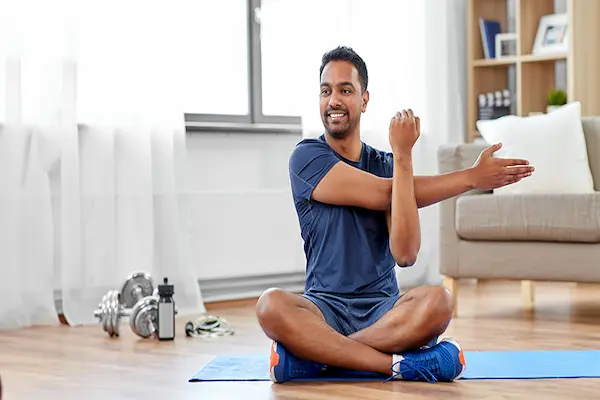
Flexibility grows best when it is treated like a quiet daily skill, not a dramatic performance, so a short routine done consistently can be surprisingly powerful.
This guide gives you a realistic daily plan, practical consistency tracking, easy habit pairings, and gentle reminders that progress takes time and patience.
What flexibility really means in a simple flexibility practice
Flexibility is not only how far you can stretch, because it also includes how comfortably you can move, breathe, and control positions without tensing up.
Mobility adds the ability to move actively through a range, so a mobility habit often combines soft stretching with slow, controlled motion.
Daily practice helps because tissues respond to repeated, low-threat exposure, especially when you stay in a comfortable range and keep your breathing calm.
Consistency beats intensity in most everyday bodies, since forcing range can trigger protective tension that makes you feel tighter afterward.
Gentle progress often shows up as easier mornings, smoother walking, less “creaky” first steps, and fewer moments of bracing when you bend or reach.
Realistic goals keep motivation steady, because the body rarely changes on your schedule even when your effort is sincere and well planned.
A non-competitive mindset that keeps you coming back
Comparison can quietly sabotage your practice, so treating your routine as personal care rather than a test helps you stay consistent without pressure.
Curiosity works better than criticism, because noticing small shifts in comfort can make the habit feel rewarding long before big changes appear.
Progress looks different across bodies, so the most useful benchmark is whether your movement feels easier and more confident than it did a few weeks ago.
How to know you are stretching “enough” for today
A good daily session leaves you feeling looser and calmer, while an overly aggressive session often leaves you sore, irritated, or mentally resistant to doing it tomorrow.
Mild to moderate sensation in muscle tissue is normal, yet sharp pain, numbness, tingling, or joint pinching are clear reasons to stop and adjust.
Breathing should stay smooth, because breath-holding is usually the first sign that the body feels threatened by the position.
Daily stretching routine for flexibility: your 10-minute baseline
This daily stretching routine for flexibility is designed to be short enough that you can do it on busy days, while still covering the most commonly tight areas.
Options are included for standing, chair, and floor variations, because the best routine is the one you can actually repeat comfortably.
Hold times are deliberately modest, because a small daily dose often creates better long-term results than occasional long sessions.
Before the first stretch, use the “two rules” warm-up
Warm muscles tend to relax more easily, so doing this routine after a walk, a shower, or a few minutes of easy movement can feel noticeably better.
Rule one is to move slowly into every position, because speed can trigger guarding even when the stretch itself is gentle.
Rule two is to keep the sensation at a level you could tolerate for a full minute without gritting your teeth, because comfort builds trust.
The 10-minute everyday stretch routine, step by step
- Start with breath and posture reset for 5 slow breaths, letting your shoulders drop while your jaw and hands soften.
- Flow through gentle spine waves for 6 cycles, moving between rounding and lengthening so your back feels awake without strain.
- Open the chest with a doorway-free shoulder clasp or strap hold for 30 seconds, keeping the ribs relaxed rather than flared.
- Stretch the side body for 20 seconds each side, reaching up gently while staying grounded through both feet or both sitting bones.
- Ease into a hip flexor opener for 30 seconds each side, using a wall or chair for balance and keeping the stance stable.
- Choose a hamstring stretch for 30 seconds each side, bending the knee as needed so the back stays long and calm.
- Add a glute and outer-hip stretch for 30 seconds each side, using a chair figure-four or a floor figure-four depending on comfort.
- Finish with a calf and ankle release for 20 seconds each side, pressing the heel down gently while keeping breath steady.
- End with one minute of slow breathing in a comfortable position, allowing the exhale to be slightly longer than the inhale.
1) Breath and posture reset
Choose standing tall, sitting upright, or lying on your back, then aim for a posture that feels “stacked” rather than stiff and forced.
A soft inhale can widen the ribs, while a longer exhale can signal safety, which often helps muscles release before you even stretch.
- Hold time: about 30 to 45 seconds.
- Breathing cue: exhale as if gently fogging a mirror, then let the shoulders melt down and back.
- Make it easier: sit in a chair with feet flat and hands resting open on thighs.
2) Gentle spine waves for an easy mobility habit
From standing with hands on thighs or from hands-and-knees on the floor, slowly round the spine and then lengthen it, keeping the motion smooth and comfortable.
Small ranges count, because the goal is lubrication and coordination, not extreme bending.
- Repetitions: 6 slow cycles.
- Breathing cue: inhale during lengthening, then exhale during rounding while relaxing the face.
- Make it easier: perform the motion seated, tipping the pelvis forward and back with a gentle rhythm.
3) Chest and shoulder opener without forcing
Interlace fingers behind the back or hold a strap behind you, then gently lift the hands only as far as the shoulders feel comfortable.
Neck comfort matters, so keep the chin level and avoid craning forward while the collarbones widen.
- Hold time: 20 to 40 seconds.
- Breathing cue: inhale softly, then exhale and feel the shoulder blades slide down the back.
- Make it easier: rest hands on hips and gently draw elbows back while keeping ribs relaxed.
4) Side body reach for ribs, waist, and breathing freedom
Reach one arm overhead and lean slightly to the opposite side while staying tall, then keep the movement small enough that breathing remains easy.
Rotation is optional, so staying in a pure side bend can feel simpler and more joint-friendly on tight days.
- Hold time: 15 to 25 seconds per side.
- Breathing cue: inhale into the open side ribs, then exhale and soften the shoulder away from the ear.
- Make it easier: keep the reaching hand on the head lightly instead of lifting the whole arm.
5) Hip flexor opener for people who sit
Step one foot back into a short lunge while holding a chair or wall, then tuck the pelvis slightly so the front of the back hip opens without back strain.
Stability first keeps it safe, so a smaller stance with better balance usually beats a deeper lunge with wobbly control.
- Hold time: 25 to 40 seconds per side.
- Breathing cue: exhale and imagine the front of the hip softening rather than pushing harder.
- Make it easier: perform a standing quad-and-hip stretch by shifting weight forward slightly without stepping far back.
6) Hamstring choice: standing, chair, or strap
Place one heel forward with toes up and hinge slightly at the hips, or lie down and use a strap to lift one leg gently, then pick the version that feels calm.
Knees can bend, because hamstrings often release better when the nervous system feels safe and unthreatened.
- Hold time: 25 to 40 seconds per side.
- Breathing cue: exhale and let the back of the thigh feel heavier, while keeping shoulders relaxed.
- Make it easier: reduce the hinge angle and keep the spine long, as if you are bowing rather than folding.
7) Glute and outer-hip stretch for everyday comfort
Cross one ankle over the opposite thigh in a chair figure-four, or do the same shape on your back, then lean in only until the hip feels a steady stretch.
Knee comfort matters, so flex the crossed foot gently and avoid pressing down on the knee.
- Hold time: 25 to 45 seconds per side.
- Breathing cue: inhale gently, then exhale and unclench the hip muscles as if releasing a fist.
- Make it easier: keep the ankle lower on the shin instead of placing it directly on the knee.
8) Calf and ankle release for smoother walking
Step one foot back and press the heel down lightly while holding a stable surface, then keep the back knee straight or softly bent based on comfort.
Ankles respond well to daily attention, because they carry you all day and often stiffen without you noticing.
- Hold time: 15 to 25 seconds per side.
- Breathing cue: exhale and let the heel become heavy and grounded.
- Make it easier: shorten the stance and keep both hands on support.
9) One-minute downshift breathing to lock in the benefits
Finish sitting, standing, or lying down, then take slow breaths that feel comfortable, allowing the exhale to lengthen naturally as your body settles.
Closing calmly helps your brain remember the routine as soothing, which makes tomorrow’s session easier to start.
- Time: 60 seconds.
- Breathing cue: inhale for a comfortable count, then exhale one or two counts longer without forcing.
- Make it easier: place one hand on the belly and one on the chest to encourage slower pacing.
Daily stretching routine for flexibility: choose-your-time versions
Different days require different plans, so this section helps you keep the habit even when time, energy, or motivation is limited.
Flexibility improves through repetition, which means a short session done often can outperform a long session done occasionally.
The “menu” approach that keeps things realistic
Picking from a small menu reduces decision fatigue, because you do not need to design a brand-new routine every day.
Structure helps consistency, yet flexibility in the plan helps you avoid the all-or-nothing mindset.
| Version | Time | Focus |
|---|---|---|
| Minimum dose | 3–5 minutes | Spine waves, hips, breath |
| Baseline | 8–12 minutes | Full-body everyday stretch routine |
| Extended | 15–20 minutes | Add balance and extra holds |
The 5-minute minimum dose for busy or low-energy days
- Do 5 slow breaths in posture reset, letting the shoulders and jaw soften as the exhale lengthens.
- Move through 6 spine waves, keeping motion small and smooth so the back feels gently mobilized.
- Hold a hip flexor opener for 20 seconds each side, using support so the stance feels steady.
- Finish with a chair figure-four for 20 seconds each side, staying mild and breathing steadily.
The 15-minute extended plan for gradual, gentle gains
- Repeat the baseline sequence and increase each hold by 10 to 20 seconds, staying in a comfortable sensation range.
- Add a gentle thoracic rotation stretch for 30 seconds each side, either standing with a wall or seated with hands on the chest.
- Include a quad stretch only if knees feel happy, using a strap and support so the position remains stable.
- Finish with two minutes of slow breathing, because a calmer finish often improves adherence over time.
Extra mobility habit add-ons, chosen one at a time
- Neck side stretch for 15 seconds each side, done gently with the shoulder staying heavy.
- Wrist circles for 20 seconds, helpful if you type, grip, or carry things frequently.
- Hip circles for 30 seconds, done slowly with hands on hips to keep movement controlled.
- Toe spreads and foot rolling for 45 seconds, useful if feet feel stiff after long standing or walking.
How to build an everyday stretch routine that actually sticks
A routine becomes a habit when it is attached to something you already do, because the brain loves predictable sequences that require minimal planning.
Motivation will fluctuate, yet habit design can keep your practice alive even on days when enthusiasm is low.
Starting small is not laziness, because a tiny daily commitment can build trust and momentum without triggering resistance.
Pair stretching with existing habits you already trust
Habit pairing works best when the anchor is stable, so choose something that happens almost every day at a similar time.
- After brushing your teeth, do the 5-minute minimum dose so the routine feels like a natural extension of bedtime hygiene.
- While coffee or tea brews, do spine waves and hip openers so the stretch fills “waiting time” instead of adding extra time.
- Before your first email or message, do posture reset and shoulder opening so screens do not become the first signal of your morning.
- When you return home, do calf and hip flexor stretches so the transition from outside to inside includes a decompression ritual.
- Right after a walk, do hamstrings and hips while the body is warm, because warm tissues usually feel safer and easier to stretch.
Use environment to make the choice automatic
Friction kills habits, so leaving a mat, a folded towel, or a chair in a visible spot can quietly nudge you toward consistency.
Convenience matters more than aesthetics, because the easiest setup is the one you will use on your tired days.
- Place a small reminder where you will see it, such as a note near your shoes or a towel on the chair.
- Keep props simple, because too many options can turn a relaxing routine into a complicated project.
- Choose one “home base” spot, because repeated context helps the brain remember and repeat the behavior.
Make the routine flexible without making it vague
Clarity helps action, so having a default baseline sequence prevents the daily question of “what should I do today.”
Adaptation prevents burnout, so the minimum dose version keeps the chain unbroken when time or energy is limited.
- Decide on your baseline routine, then treat it as your normal plan for most days.
- Decide on your minimum dose routine, then treat it as your “busy day” plan that still counts.
- Decide on one optional add-on, then rotate it in only when you feel genuinely curious rather than pressured.
Tracking consistency without pressure or perfectionism
Tracking works when it feels encouraging, because a simple record can turn invisible progress into something you can actually see.
Streaks can motivate some people, yet streaks can discourage others, so choosing a tracking style that fits your personality matters.
Consistency is not the same as rigidity, so missing a day is not failure, because the real win is returning without drama.
Three tracking styles, from simplest to most detailed
- Checkmark tracking: mark an X on a calendar when you do any version of your routine, because visual momentum feels satisfying.
- Minute tracking: write how many minutes you did, because totals reward honest effort even when sessions vary.
- Notes tracking: write one sentence about how it felt, because noticing “less stiff” or “calmer” builds motivation grounded in real experience.
A realistic weekly goal that avoids the all-or-nothing trap
Aiming for five sessions per week often works well, because it allows life to happen while still providing enough repetition for change.
Short sessions count fully, because a mobility habit strengthens through frequency, not through suffering.
- Set a weekly target, such as five sessions, then treat anything beyond that as a bonus rather than a requirement.
- Choose your “minimum acceptable session,” such as three minutes, then use it on the days you feel busy or unmotivated.
- Review your week once, then adjust gently, because the plan should serve you rather than judge you.
Simple ways to measure progress without chasing extremes
- Notice your easiest-to-feel stretch, such as hamstrings, and observe whether the sensation becomes calmer at the same position over time.
- Observe everyday movements, like getting out of a chair or reaching overhead, and record when those motions start to feel smoother.
- Track recovery, because feeling less sore after activity can be a sign that your body is moving more efficiently.
- Pay attention to breath, because being able to breathe slowly while stretching often improves before range of motion changes dramatically.
What to expect from a simple flexibility practice over time
Flexibility improves in waves, so some weeks will feel easy and other weeks will feel stuck, even when you are doing everything “right.”
Stress, sleep, hydration, and workload can change tissue tone, so tightness does not always mean you are losing progress.
Patience pays off, because the body often changes quietly, and then one day you notice a movement that used to feel difficult now feels normal.
A gentle timeline that keeps expectations realistic
- After 1 to 2 weeks, the routine may feel more familiar, and your body may relax faster when you start.
- After 3 to 6 weeks, small range improvements may appear, especially in hips and ankles, and daily stiffness often eases slightly.
- After 8 to 12 weeks, movement confidence often improves, and you may notice less bracing during bending, reaching, or longer walks.
- After several months, the biggest benefit is often consistency itself, because a stable mobility habit supports long-term comfort.
Why progress can feel slow even when it is happening
The nervous system sometimes guards range that feels unfamiliar, so gentle repetition teaches safety more effectively than force.
Muscles can hold tension from stress, so a calm mind and a slow exhale can unlock range that aggressive stretching cannot reach.
Daily variability is normal, so evaluating progress by monthly trends rather than day-to-day sensation keeps you motivated and honest.
Troubleshooting: when the routine feels hard to maintain
Common obstacles can be solved with small tweaks, because stretching is a behavior design problem as much as it is a body problem.
Real-life schedules are unpredictable, so building flexibility into the plan protects your habit when life gets messy.
If boredom shows up
- Rotate one add-on stretch per week, because novelty in small doses keeps the routine interesting without becoming complicated.
- Change the order occasionally, because a fresh sequence can make familiar stretches feel new.
- Use a gentle timer, because timing can make the session feel structured and purposeful.
If soreness appears the next day
- Reduce hold times by 10 to 20 seconds, because your tissues may be asking for a smaller dose.
- Decrease intensity and keep breathing smooth, because soreness can increase when stretching becomes a fight.
- Choose mobility-style movements, like spine waves, because gentle motion can feel kinder than long static holds.
If motivation disappears
- Switch to the minimum dose routine, because keeping the chain unbroken is more important than doing the perfect session.
- Pair stretching with a trusted habit, because reliable anchors reduce the need for willpower.
- Focus on the finish feeling, because remembering “I feel better afterward” often matters more than excitement beforehand.
If you keep forgetting
- Pick a single time window, such as after lunch or before bed, because consistent timing improves recall.
- Place a visible cue in your environment, because hidden equipment is easy to ignore.
- Use a “never twice” rule, because missing one day is normal, while missing two days in a row is where habits often fade.
Safety reminders for daily flexibility training
This article is educational and general, so consulting a qualified health professional before starting or changing routines is a smart choice, especially if you have injuries or medical conditions.
Pain is not a requirement for progress, so any stretch that increases discomfort should be modified or skipped.
Slow transitions protect joints and balance, so standing up carefully after floor work can prevent dizziness and wobbliness.
Joint sensations deserve extra respect, because muscles can stretch safely while joints should never feel compressed or unstable.
Practical safety rules you can remember easily
- Stay at a sensation level that feels like “mild challenge,” not “survival,” because the body relaxes when it feels safe.
- Keep breathing steady, because breath-holding is a sign you are pushing past your current comfortable range.
- Move slowly in and out, because the exit from a stretch is just as important as the hold.
- Use support when balancing, because stability reduces fear and allows better alignment.
- Stop if tingling, numbness, sharp pain, or dizziness appears, because those signals require caution and possibly professional guidance.
Joint-friendly modifications that make the routine accessible
- Replace floor positions with chair versions, because sitting reduces balance demands and can feel gentler on tired days.
- Bend knees in hamstring stretches, because straight legs are optional and comfort is the priority.
- Use a strap instead of reaching, because reaching can force poor posture and create unnecessary strain.
- Shorten stances in lunges, because stability often matters more than depth in a daily routine.
A flexible weekly plan that supports your mobility habit
Weekly structure helps you stay consistent without turning stretching into a rigid rulebook.
Variety can be small, because tiny shifts in emphasis keep the practice interesting while still feeling familiar.
Seven days of simple options, designed for real life
- Day one: do the baseline 10-minute routine and keep sensation mild so your body starts the week feeling safe.
- Day two: do the minimum dose plus one add-on, such as thoracic rotation, to keep curiosity alive.
- Day three: repeat the baseline and add extra breathing at the end, because calm finishes often reinforce adherence.
- Day four: choose an extended 15-minute session if time allows, then keep intensity gentle and steady.
- Day five: do the minimum dose and focus on hips, because hips often influence how the whole body feels.
- Day six: repeat the baseline and spend a little extra time on calves and ankles if walking feels stiff.
- Day seven: take a rest day or do a three-minute breathing-and-spine session, because recovery and rhythm matter.
How to personalize the plan without overthinking it
- Choose one “tight spot priority,” such as hips or hamstrings, and give it an extra 10 seconds each day for one week.
- Switch priorities weekly, because rotating focus prevents you from neglecting other areas.
- Keep a comfort-first rule, because personalization should make the routine easier to repeat, not harder to tolerate.
FAQ about a daily stretching routine for flexibility
How long should I stretch each day for flexibility?
Most people benefit from 5 to 15 minutes, because daily repetition and calm intensity usually matter more than long sessions.
Should I stretch before or after workouts?
Gentle mobility work can fit before activity, while slightly longer holds often feel better after activity when tissues are warm and less guarded.
Is it normal to feel tighter on some days?
Daily tightness changes with stress, sleep, and workload, so looking at weekly or monthly trends is a more accurate way to judge progress.
Can I do this routine if I sit all day?
People who sit frequently often feel great with hip flexor, hamstring, and chest-opening stretches, as long as they stay gentle and consistent.
What if stretching makes me sore?
Soreness often means the dose was too strong, so reducing intensity, shortening holds, and focusing on breathing usually helps.
Do I need to feel a strong stretch to improve flexibility?
Strong sensation is not required, because mild, steady stretching paired with relaxed breathing often produces better long-term results.
Important independence notice
Notice: this content is independent and does not have affiliation, sponsorship, or control by any institutions, platforms, or third parties mentioned.
Closing: keep it simple, keep it steady, let time do its work
Gentle daily practice builds flexibility in the most sustainable way, because small sessions repeated over time teach the body that movement is safe and worth allowing.
Real progress arrives through patience, consistency tracking, and smart habit pairing, so your everyday stretch routine can become a calm mobility habit you barely have to think about.