
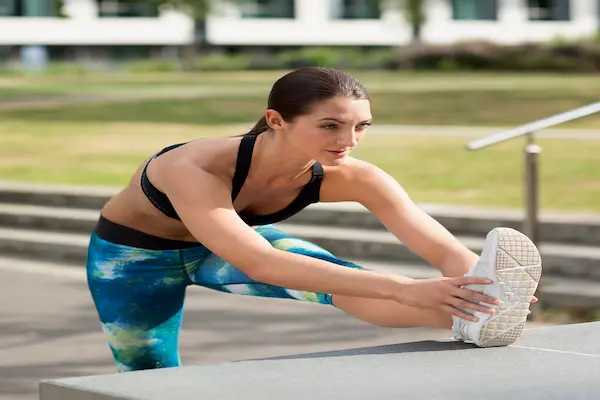
Starting to run is exciting, yet it can also feel a little intimidating when your calves tighten, your hips feel unfamiliar, and you wonder whether stretching is supposed to fix everything overnight.
This guide gives you a calm, sport-aware stretching routine for runners beginners, with short pre-run mobility ideas, longer post-run stretches, and safety reminders that protect your progress.
Stretching routine for runners beginners: what stretching can and cannot do
New runners often hope stretching will prevent every ache, but the most realistic benefit is that smart stretching can support comfort, movement quality, and recovery habits while your training builds gradually.
Running gets easier when your body learns the pattern, and that learning comes from consistent, progressive running more than from chasing extreme flexibility goals.
Helpful stretching supports your running by keeping key areas from feeling constantly “locked,” especially when you sit a lot, work at a desk, or carry tension in your hips and calves.
Safe stretching also teaches body awareness, which is a fancy way of saying you get better at noticing the difference between normal effort and the kind of discomfort that deserves a pause.
Injury risk depends on many factors like training volume, recovery, strength, sleep, and past history, so stretching is only one small tool in a much bigger toolbox.
Progress happens faster when stretching feels supportive rather than punishing, because a routine you enjoy is the routine you repeat on tired days.
A simple comfort rule that keeps you cautious without fear
Choose a sensation level that feels like mild to moderate stretching in muscle tissue, then stay below the point where you need to brace, hold your breath, or grit your teeth.
Sharp pain, tingling, numbness, joint pinching, or increasing discomfort are clear signs to stop and reassess rather than pushing through.
Slow, steady breathing is your best feedback tool, because breath-holding usually means your nervous system thinks the stretch is a threat.
Why beginners need different stretching than experienced runners
Beginner runners are adapting to impact, new loading, and unfamiliar fatigue, so their tissues often respond better to gentle consistency than to long, intense sessions.
Early training is the “foundation phase,” which means the priority is building a repeatable running habit, not collecting the most advanced stretching positions.
Simple routines win because they reduce mental friction, and reduced friction makes it easier to do the basics every week.
Runners stretch basics: choose the right stretching at the right time
Timing matters because the body responds differently when it is cold, when it is warm, and when it is tired after a run.
Dynamic mobility before running usually feels best, because you are preparing joints and muscles to move rather than asking them to relax deeply.
Longer, gentler holds after running tend to be more comfortable, because warm tissues often allow a calmer stretch without forcing.
A good mental model is “wake up before, unwind after,” which keeps your routine aligned with what your body is doing.
Dynamic mobility vs static stretching in plain language
Dynamic mobility uses controlled movement through comfortable ranges, which can help you feel coordinated and ready without pulling aggressively.
Static stretching uses a held position for time, which can feel soothing after a run when your nervous system is ready to downshift.
Mixed routines are fine, yet beginners usually do best with short mobility pre-run and longer static stretches post-run, because that structure is simple and repeatable.
How long should each part take for a beginner
Pre-run mobility can be just five to seven minutes, because the goal is readiness rather than exhaustion.
Post-run stretching can be ten to fifteen minutes, because that window is long enough to relax muscles while keeping it easy to fit into real life.
Shorter is still valuable on busy days, because a small consistent routine beats a perfect routine you rarely do.
Pre and post run stretches: the beginner-friendly approach
Before your run, you want movements that increase circulation, loosen stiff areas from sitting, and remind your joints how to move smoothly.
After your run, you want positions that feel calming, reduce the sense of tightness, and gently restore length without chasing extremes.
Both parts should feel joint-friendly, because beginner tissues are still adapting and respond best to gradual changes.
Pre-run check-in that takes under one minute
- Notice how your feet contact the floor, because wobbliness or stiffness can change how your calves and knees feel on the run.
- Scan your hips and lower back, because long sitting often leaves hip flexors tight and glutes sleepy.
- Take one slower exhale than usual, because calm breathing helps you move with control rather than rushing into effort.
- Decide your goal for today’s run, because “easy and relaxed” is a powerful training intention for beginners.
Post-run check-in that keeps you honest
- Walk slowly for two to five minutes, because a gentle cool-down makes stretching feel better than stopping abruptly.
- Rate your effort level, because high effort days often need extra recovery rather than extra stretching intensity.
- Notice any sharp or new pain, because stretching should never be used to “erase” pain that needs attention.
- Pick a calm finishing point, because ending the session feeling better increases the chance you will run again soon.
Stretching routine for runners beginners: 5–7 minutes of pre-run mobility
This pre-run sequence is designed to wake up the ankles, hips, and spine, because those areas often feel stiff when you go from sitting to running.
Keep everything smooth, because jerky mobility can create tension rather than reducing it.
Use a wall or a chair for balance if needed, because steady support allows better movement quality with less stress.
Pre-run mobility routine, step by step
- Do ankle rocks and circles for one minute, because ankles that move well help your stride feel smoother and lighter.
- Move through calf raises and slow lowers for one minute, because calves often absorb a lot of beginner running load.
- Perform leg swings front-to-back and side-to-side for one minute per leg, because hips like gentle motion before impact.
- Use a hip hinge drill for one minute, because hamstrings and glutes work better when they feel “online.”
- Finish with a short marching or easy skipping pattern for one minute, because rhythm helps your body shift into running mode.
1) Ankle rocks and circles
Stand tall and gently shift your knees forward over your toes while keeping heels down, then return to neutral with control rather than bouncing.
Circle each ankle slowly as if tracing a small, smooth loop, because controlled circles prepare the joint without overstretching.
- Time: 30 seconds of rocks and 30 seconds of circles.
- Pace cue: move slowly enough that the foot stays relaxed rather than clenched.
- Balance option: hold a wall with two fingers so your body feels steady.
2) Calf raises with a calm lower
Lift onto the balls of your feet, pause briefly, then lower slowly, because a controlled lower is a simple way to warm tissues without fatigue.
Keep the range comfortable, because the purpose is readiness rather than strength training.
- Repetitions: 8 to 12 slow reps.
- Breathing cue: exhale during the lift and inhale during the lower if that feels natural.
- Joint-friendly option: reduce height and hold a support surface for steadiness.
3) Leg swings for hips
Hold a wall, swing one leg gently forward and back like a pendulum, then switch to side-to-side swings that stay small and controlled.
Let the motion come from the hip rather than from a twisty lower back, because beginners often compensate when they swing too big.
- Repetitions: 10 front-to-back and 10 side-to-side per leg.
- Pace cue: choose a range where your torso stays quiet and your breath stays easy.
- Beginner option: keep the swing low, because higher is not better before a run.
4) Hip hinge drill for runners
Stand with soft knees, push your hips back as if closing a car door gently, then return to standing by squeezing the glutes lightly.
Keep the spine long and the ribs relaxed, because the goal is to remind hamstrings and glutes how to share load smoothly.
- Repetitions: 8 to 10 slow hinges.
- Breathing cue: inhale as you hinge and exhale as you stand tall.
- Support option: touch a wall behind you with your hips to learn the motion without guessing.
5) Marching pattern to finish
March in place with gentle arm swings, then add a slightly quicker rhythm if it feels good, because rhythm often settles beginner running nerves.
Focus on soft landings, because quiet feet usually mean less tension in calves and hips.
- Time: 45 to 60 seconds.
- Pace cue: pick a tempo that feels energizing but not breathless.
- Low-impact option: keep the march small and stay near a support surface.
Lower body routine: 10–15 minutes of post-run stretches
After a run, your muscles are warm and your nervous system is ready to settle, so gentle static stretches often feel soothing and satisfying.
Hold times can be longer here, because longer holds encourage relaxation when you keep intensity mild.
Choose comfort over depth, because post-run stretching should help recovery rather than create new soreness.
Post-run stretching flow, designed for beginners
- Start with a standing calf stretch for each side, because calves usually feel the load first when running is new.
- Move into a hamstring stretch with a small knee bend, because hamstrings often tighten when stride feels unfamiliar.
- Open the front of the hips with a supported hip flexor stretch, because sitting plus running can make hip flexors feel stubborn.
- Soften glutes and outer hips with a figure-four position, because hips often carry tension from stabilizing impact.
- Finish with a gentle quad stretch if knees tolerate it, because quads work hard during hills and speed changes.
- End with a relaxed breathing minute, because calm endings make the routine easier to repeat consistently.
1) Calf stretch with wall support
Place hands on a wall, step one foot back, keep the back heel down, and bend the front knee gently until the calf lengthens.
Adjust stance length so the stretch feels clear but not sharp, because Achilles and calf tissues prefer gradual load changes.
- Hold time: 30 to 45 seconds per side.
- Breathing cue: exhale and imagine the heel getting heavier without forcing it down.
- Soleus option: bend the back knee slightly to target a deeper calf area with less intensity.
2) Hamstring stretch with a soft knee
Place one heel forward with toes up, hinge slightly at the hips while keeping the back long, then stop where the stretch feels steady and breathable.
Bending the knee is encouraged, because straight legs can pull too intensely after a run and cause you to round the back.
- Hold time: 30 to 60 seconds per side.
- Breathing cue: inhale to lengthen the spine and exhale to soften the back of the thigh.
- Chair option: sit and extend one leg forward, then hinge gently from the hips without collapsing the chest.
3) Hip flexor stretch for tight fronts of hips
Step into a short lunge, keep your torso upright, gently tuck the pelvis as if zipping up tight jeans, and feel the front of the back hip open.
Support with a wall or chair is ideal, because stability helps you relax and prevents wobbling that can tighten hip flexors.
- Hold time: 30 to 60 seconds per side.
- Breathing cue: exhale slowly and let the front hip crease soften rather than pushing forward harder.
- Knee-friendly option: reduce stance length so you keep balance without strain.
4) Glute and outer-hip stretch with figure-four
Sit on a chair and cross one ankle over the opposite thigh, flex the foot gently, then lean forward slightly until the outer hip feels a calm stretch.
Floor version is fine if you prefer it, yet chair-based stretching is wonderfully controlled for beginners who are still learning knee comfort.
- Hold time: 45 to 75 seconds per side.
- Breathing cue: inhale softly into the belly and exhale as if unclenching the back pocket area.
- Modification: lower the ankle to the shin if crossing higher irritates the knee.
5) Quad stretch with support, only if it feels friendly
Stand tall with one hand on a wall, bend one knee, and bring the heel toward the glute while keeping knees close together and pelvis neutral.
Use a strap around the ankle if reaching is difficult, because yanking with the hand can make the stretch feel aggressive instead of soothing.
- Hold time: 20 to 40 seconds per side.
- Breathing cue: exhale and soften the front thigh rather than pulling the heel closer.
- Skip signal: stop if knee pain appears, because quads can be stretched later through gentler positions.
6) Gentle shin and ankle release for new runners
Kneel on a cushion and sit back slightly with toes pointed behind you, then stop early and use your hands for support if the ankles feel sensitive.
Shin discomfort can be complex, so treat this as a mild comfort drill rather than a fix, and consult a professional if pain persists or worsens.
- Hold time: 15 to 30 seconds.
- Breathing cue: breathe quietly and avoid forcing depth.
- Alternative: roll the foot gently on the floor while seated if kneeling feels uncomfortable.
7) One-minute downshift breathing
Finish standing, sitting, or lying down, then allow your exhale to become slightly longer, because longer exhales often signal safety after effort.
Let shoulders drop, hands open, and jaw soften, because facial tension often reflects whole-body tension.
- Time: 60 seconds.
- Breathing cue: inhale comfortably and exhale one or two counts longer without forcing.
- Mind cue: treat the finish as a reward, not a chore, so your brain learns to want this routine again.
Timing tips that make pre and post run stretches work better
Stretching works best when it fits the reality of your schedule, because a routine that is too complicated tends to disappear the moment life gets busy.
Warm-up mobility is easiest when you attach it to a simple trigger, like putting on your shoes and doing the five-minute routine before you step outside.
Post-run stretching becomes more consistent when you plan it as part of your cool-down, because finishing your run and immediately sitting down often makes you skip it.
Beginner timing guidelines you can actually follow
- Place the pre-run mobility right before your run, because it is meant to prepare movement rather than to create deep length changes.
- Keep the post-run stretches after a short walk and a sip of water, because that small transition helps you shift from effort to recovery.
- Use shorter holds on very easy runs, because you may not feel much tightness, and longer holds on harder runs when muscles feel more “full.”
- Skip stretching intensity increases on days you feel run-down, because recovery often needs sleep and nutrition more than deeper stretching.
How to choose hold times without guessing
- Start at 20 to 30 seconds for each post-run stretch, because that is long enough to feel a release without overdoing it.
- Increase toward 45 to 75 seconds only if the stretch sensation softens as you breathe, because softening is a good sign of tolerance.
- Stop at the first point where you feel calmer, because the best post-run routine leaves you refreshed, not drained.
Stretching routine for runners beginners: modifications for common tight spots
New runners often notice predictable tight areas, because running introduces repeated loading patterns that your body is still learning to distribute efficiently.
Small technique adjustments can make stretches feel dramatically better, because comfort usually depends on alignment and support rather than brute force.
If calves feel tight or “grabby”
- Use the bent-knee calf stretch version, because it can feel gentler while still relieving tension.
- Shorten your stride in the stretch, because overly long stances can overstress the Achilles.
- Add slow calf raises on non-run days, because strengthening often improves how the calf tolerates stretching.
If hips feel stiff from sitting and running
- Prioritize hip flexor stretches with a slight pelvic tuck, because that often targets the right area without compressing the lower back.
- Choose the chair figure-four, because it gives you control and helps you avoid knee pressure.
- Include gentle leg swings pre-run, because hips often respond better to movement than to long holds before activity.
If hamstrings feel tight after easy runs
- Keep a small knee bend during hamstring stretches, because bending helps you feel the stretch in the muscle rather than the back.
- Hinge at the hips instead of rounding, because rounded backs can make hamstrings feel tighter even when they are not.
- Use shorter holds more frequently, because hamstrings often respond to consistency better than intensity.
If quads feel sore after hills or speed changes
- Choose a gentle standing quad stretch with support, because balance stress can make the quad stretch feel harsher than necessary.
- Stop early if the knee complains, because knee comfort matters more than completing every stretch.
- Try a couch-supported hip flexor stretch later in the day if you have time, because deeper quad and hip flexor work is often more comfortable away from the immediate post-run window.
Beginner runner safety: what to prioritize beyond stretching
Stretching can support comfort, yet your biggest safety wins usually come from training choices like gradual increases, easy pacing, and enough rest.
Consistency is built by staying slightly under your limit rather than repeatedly testing it, because repeated overreaching is a common beginner trap.
Running form improves naturally as fitness improves, so chasing perfect form cues while exhausted often creates tension rather than ease.
Training priorities that protect your body more than any single stretch
- Increase total running time gradually, because tissues adapt to volume and impact over weeks, not days.
- Keep most runs easy enough that you can speak in full sentences, because easy effort is the foundation of sustainable progress.
- Take rest days seriously, because adaptation happens during recovery, not during constant pushing.
- Add gentle strength work when you can, because stronger hips and calves often tolerate running better than endlessly stretched ones.
- Pay attention to sleep and nutrition, because recovery quality shapes how tight or sore you feel.
Warning signs that should not be stretched away
- Sharp pain that changes your gait, because limping often signals a problem that needs rest or professional assessment.
- Swelling, redness, or warmth around a joint, because inflammation deserves caution rather than aggressive stretching.
- Numbness, tingling, or radiating pain, because nerve symptoms require careful evaluation.
- Persistent pain that worsens over several sessions, because patterns matter more than single-day soreness.
Reminder to consult a health professional when appropriate
Medical guidance is strongly recommended before starting or changing routines if you have existing conditions, prior injuries, cardiovascular concerns, or any symptoms that make exercise feel uncertain.
Professional support can also help if you are unsure about pain signals, because personalized assessment is more reliable than guessing based on general information.
Quick plans for busy days: keep the habit without overthinking
Busy schedules are normal, and a beginner plan succeeds when it survives the messy days rather than only working in perfect weeks.
Short routines keep momentum, because momentum is what turns “I should stretch” into “I do this automatically.”
Two-minute pre-run mobility when time is tight
- Do 20 seconds of ankle rocks, then 20 seconds of ankle circles per side, because ankles warm quickly with small motion.
- Complete 8 calf raises with a slow lower, because calves respond well to gentle activation.
- Finish with 10 leg swings per side front-to-back, because hips often need just a little permission to move.
Five-minute post-run reset that still feels complete
- Hold a calf stretch for 30 seconds per side, because it addresses one of the most common beginner tight spots.
- Hold a hip flexor stretch for 30 seconds per side, because sitting plus running often tightens the front hips.
- End with a chair figure-four for 45 seconds per side, because glute and outer-hip release can reduce that “locked” feeling.
Low-energy day options that reduce pressure
- Walking for five minutes after the run can count as your cool-down if stretching feels mentally exhausting.
- Gentle breathing for one minute can replace a long routine, because nervous system calm supports recovery too.
- One stretch done consistently can be more effective than ten stretches done once, because consistency changes how tissues tolerate movement.
How to track progress without becoming obsessive
Tracking is helpful when it makes you feel encouraged, because confidence grows from seeing small wins accumulate.
Simple tracking works best, because complicated spreadsheets tend to disappear after the first stressful week.
Easy tracking ideas for stretching consistency
- Put a checkmark on any day you do pre-run mobility, because small rituals deserve credit.
- Write one sentence about how your legs felt after the run, because patterns become clear when you capture quick notes.
- Rate calf and hip tightness from 1 to 10 once per week, because weekly trends matter more than daily fluctuations.
Signals that your routine is helping even if flexibility feels unchanged
- Warm-ups start to feel smoother, because smoother movement often appears before big range changes.
- Post-run tightness fades faster, because recovery speed is a meaningful form of progress.
- Easy runs feel easier at the same pace, because your body is adapting to the work more efficiently.
- Fewer “surprise” aches appear, because consistent care reduces spikes in stiffness.
FAQ for runners stretch basics and beginner concerns
Should I stretch before every run as a beginner?
Pre-run mobility is usually a good idea because it prepares movement patterns, while full static stretching is often more comfortable after the run when tissues are warm.
Is soreness after running a reason to stretch harder?
More intensity is rarely the answer, because soreness often responds better to easy movement, gentle stretching, hydration, sleep, and a slightly lighter training day.
How do I know whether a stretch is too intense?
Too-intense stretching often shows up as breath-holding, sharp sensations, shaking, or rising discomfort, while a good stretch feels steady and becomes easier as you exhale.
Do I need to stretch my whole body, or only my legs?
Lower body routine work is the priority for most runners, yet gentle chest and upper-back mobility can help posture and arm swing feel more relaxed.
What if my knees feel uncomfortable during hip stretches?
Chair-based figure-four variations and smaller ranges usually help, because knee comfort improves when the hip is stretched without forcing rotation.
Can stretching replace strength training for runners?
Stretching supports comfort, while strength supports resilience, so beginners usually benefit most when stretching is paired with gradual training and simple strength habits.
Important independence notice
Notice: this content is independent and does not have affiliation, sponsorship, or control by any institutions, platforms, or third parties mentioned.
Closing: keep stretching simple, keep running gradual, keep safety first
With short pre-run mobility, longer post-run stretches, and a calm approach to sensation, your stretching routine for runners beginners can support comfort without stealing energy from the running habit you are building.
Over time, steady training, patient recovery, and cautious stretching choices work together so running feels less like a battle with tightness and more like a skill your body knows how to do.