
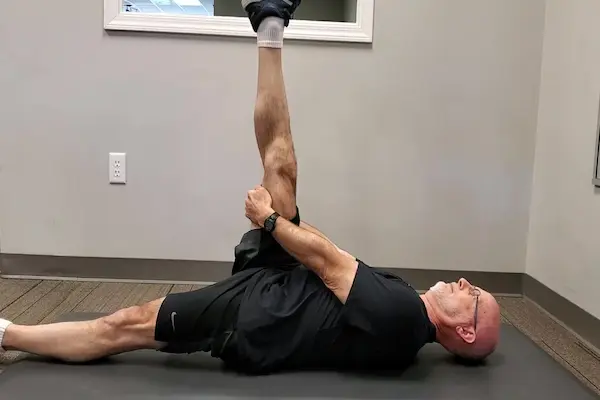
Staying comfortable in your body matters more than touching your toes, so this stretching routine for beginners over 50 focuses on gentle range, steady breathing, and smart support.
Because every body has a different history, you will see frequent reminders to stop before pain, skip anything that feels wrong, and consult a health professional before starting new activities.
Stretching routine for beginners over 50: the calm goal and the safety mindset
A respectful approach works best when you treat stretching as daily maintenance rather than a one-time transformation, especially if you want to keep joints happy and movement confident.
Comfortable progress tends to come from consistency and patience, which is why an age friendly routine should feel doable on ordinary days rather than only on perfect days.
Support tools are not “cheating,” and using a chair, wall, countertop, pillow, or folded towel often makes over 50 stretching safer and more relaxing.
Gentle intensity is the target, because pushing hard can make muscles guard and can leave you more irritated than eased after the session.
Medical conditions vary widely, so a qualified clinician is the right person to advise you if you have osteoporosis, recent surgery, joint replacements, nerve symptoms, dizziness, or persistent pain.
Notice: this content is independent and does not have affiliation, sponsorship, or control by any institutions, platforms, or third parties mentioned or implied.
Non-negotiable safety rules for an age friendly routine
- Stop before pain, because sharp or escalating discomfort is not a “good stretch” signal.
- Move slowly enough that you could pause at any moment, because control is a practical sign that your body feels safe.
- Keep breathing smooth, because breath-holding often means the stretch is too deep or too demanding.
- Use support whenever balance feels uncertain, because stability helps muscles relax instead of brace.
- Consult a health professional before new activity if you have medical concerns, because individualized guidance is safer than guesses.
Clear “stop now” signals you should respect
- Sharp pain, stabbing pain, or a sudden increase in pain.
- Numbness, tingling, burning, or symptoms that travel down an arm or leg.
- Unusual weakness, loss of balance that feels new, or a joint that feels unstable.
- Dizziness, faintness, chest pain, or shortness of breath beyond normal exertion.
- Any symptom that worries you, because caution is a smart decision and not an overreaction.
Why over 50 stretching should prioritize joints, balance, and recovery
With age, many people notice that tissues feel less forgiving after long sitting, long standing, or intense workouts, which is why a gentle flexibility plan usually works better than an aggressive approach.
Joint comfort often matters as much as muscle length, because a position that looks “fine” can still feel pinchy if the shoulder, hip, or knee does not like that angle.
Balance can change over time, so building stability into your routine makes stretching calmer and safer, particularly when you are transitioning from floor to standing.
Recovery can take longer, which is not a failure, and that reality supports shorter sessions that you repeat frequently instead of occasional sessions that leave you sore.
Breathing can become shallower under stress, and shallow breathing often increases upper-body tension, so slow exhales can be a surprisingly helpful tool in a stretching routine for beginners over 50.
Three practical reasons gentle works so well
- Gentle stretching reduces the chance of protective muscle guarding, which can otherwise make you feel tighter after you finish.
- Steady breathing supports calm effort, which can help you notice early warning signs like bracing or pinching.
- Consistent repetition builds comfort over weeks, which is usually how lasting range-of-motion improvements happen.
How to choose intensity, holds, and pace in a gentle flexibility plan
An easy rule is to keep the sensation mild enough that your face stays relaxed, because grimacing often means you have crossed from “stretch” into “strain.”
Breath is a built-in intensity gauge, so returning to smooth breathing is often the fastest way to make a stretch safer.
Short holds are often ideal at first, because your body learns to trust the routine without needing long, demanding positions.
Longer holds can be added later if they feel good, although longer should feel calmer rather than harder, especially in an age friendly routine.
The simple effort scale you can use today
- 2–3 out of 10 feels light and soothing, which is perfect on stiff days or when you are building consistency.
- 4–5 out of 10 feels like a clear stretch while breathing stays easy, which is a realistic target for many beginners.
- 6 out of 10 may be okay occasionally, yet it should never trigger breath-holding, sharp sensations, or a desire to escape quickly.
Two hold options that make timing easy
- Breath method: hold each position for three to five slow breaths, then transition slowly to the next step.
- Clock method: hold each position for 20–40 seconds, then rest for one comfortable breath before changing sides or standing up.
Breathing cues that encourage relaxing without forcing
- Inhale gently as if widening the ribs sideways, because that often reduces shoulder hiking.
- Exhale slowly and imagine the jaw softening, because jaw tension commonly recruits neck tension.
- Move deeper only on an exhale if it stays pleasant, because sudden depth can trigger guarding.
- Pause and reset if your breath becomes choppy, because choppy breathing is a reliable sign to back off.
Stretching routine for beginners over 50: what you need at home
Most of this routine can be done in a small space, and that convenience makes it easier to repeat without needing a special setup.
A sturdy chair is the most helpful tool, because it supports balance and provides an easy way to stretch hips and hamstrings without going to the floor.
A wall or countertop offers another layer of support, which is especially helpful when you are practicing calf and hip flexor positions.
A pillow or folded towel can reduce pressure on knees and can make reclined positions more comfortable.
Simple equipment list for an age friendly routine
- One sturdy chair that does not roll.
- One wall or countertop for light hand support.
- One pillow or folded blanket for cushioning.
- Optional: a towel or strap substitute for gentle reach support.
Quick environment checklist that reduces risk
- Clear the floor of loose rugs or clutter, because tripping risk is not worth it.
- Choose stable footwear or bare feet on a non-slip surface, because footing changes how relaxed you can be.
- Keep water nearby if you like, because hydration and a calm pause can make the routine feel more pleasant.
- Plan a slow transition to standing, because rushing up can make some people feel lightheaded.
Stretching routine for beginners over 50: the full 12–15 minute sequence
This sequence is designed to feel organized and repeatable, moving from head and shoulders down through hips, legs, and ankles, so your body feels “complete” rather than scattered.
Every step includes a support option, because support is often what turns stretching into relaxing instead of balancing.
If you have a specific injury, diagnosis, or recent procedure, consulting a qualified professional before trying new movements is the safest choice.
Sequence overview from top to bottom
- Breathing reset and posture stacking.
- Neck and upper trap softening without pulling.
- Shoulder rolls and chest opener with safe arm height.
- Upper-back widening and gentle rib rotation.
- Supported hip hinge for hamstrings and back line.
- Supported hip flexor opener for front-of-hip stiffness.
- Chair figure-four for glutes and outer hips.
- Chair quad option or standing quad stretch with balance support.
- Calf stretch at a wall plus ankle circles.
- Balance-friendly finish and a short walk reset.
Step 1: Breathing reset and posture stacking
Stand tall or sit on a chair with feet grounded, because stable feet make it easier to relax your shoulders and jaw.
Place one hand on the lower ribs and let the other hand rest on the belly, because touch cues often help breathing feel more natural.
Inhale gently and feel the ribs widen sideways, then exhale a little longer and imagine the shoulders melting away from the ears.
Stay for five breaths, and treat that time as practice in downshifting rather than a test of deep breathing.
- Support option: sit against a chair back if standing feels tiring or unsteady.
- Posture cue: keep chin level so the neck stays long rather than craned forward.
- Caution reminder: consult a professional if breath changes, chest pain, or dizziness is a concern.
Step 2: Neck turns and upper trap softening without yanking
Turn your head slowly to the left as if scanning the room, pause for one calm breath, and return to center with control.
Rotate slowly to the right with the same gentle pace, because symmetrical movement often feels safer than deep one-sided pulls.
Rest your right hand lightly on the top of the left shoulder and exhale as you let that shoulder drop, keeping the head mostly centered.
Switch sides and repeat, using only a light touch, because heavy pressure can make sensitive areas guard.
- Move in small ranges first, because small can feel surprisingly effective when tissues are stiff.
- Breathe continuously, because breath-holding is a clear signal to reduce the intensity.
- Stop if dizziness or nerve-like symptoms appear, because those signs deserve medical attention.
Step 3: Shoulder rolls and a gentle chest opener with safe arm height
Roll both shoulders up, back, and down in slow circles, because slow circles encourage control rather than jerky movement.
Reverse the circles in the opposite direction, and keep the range comfortable so the neck stays relaxed.
For a chest opener, clasp hands behind the back only if it feels easy, then lift the hands slightly while keeping ribs from flaring.
Choose a towel held behind the back if the clasp is uncomfortable, because support reduces strain and protects the shoulders.
- Arm-height rule: lift only as high as you can without shrugging or pinching.
- Posture cue: imagine collarbones widening rather than forcing the arms farther back.
- Joint reminder: skip the opener if shoulder pain increases, because pain is a reason to modify.
Step 4: Upper-back widening and gentle rib rotation
Wrap your arms around your torso as if giving yourself a light hug, then exhale and reach the elbows forward slightly to widen the shoulder blades.
Unwrap slowly and cross arms over the chest, because crossing can help you rotate without pulling on the shoulders.
Inhale to grow tall, then exhale and rotate gently to the left from the ribs, keeping hips facing forward.
Return through center and rotate gently to the right, staying within a range that feels smooth and not forced.
- Hold each rotation for one to two breaths, because short holds keep it comfortable.
- Keep the pelvis steady, because twisting from the hips can feel unstable.
- Skip rotation if it causes discomfort, because this routine is flexible and not mandatory.
Step 5: Supported hip hinge for hamstrings with soft knees
Stand facing a chair and place hands on the chair back, because support helps you hinge without rounding aggressively.
Keep a soft bend in the knees and push the hips back slowly, stopping when you feel a mild stretch behind the thighs.
Hold for three to five breaths while keeping the spine long, then return to standing slowly to avoid a sudden head rush.
- Back-friendly cue: hinge from the hips rather than folding from the waist.
- Knee-friendly cue: maintain soft knees to reduce pulling behind the knee.
- Caution reminder: consult a professional if hamstring stretching triggers sharp pain or radiating symptoms.
Step 6: Supported hip flexor opener for front-of-hip stiffness
Step into a short split stance beside a wall or chair, because balance support reduces bracing and makes the stretch calmer.
Tuck the pelvis slightly as if zipping up snug jeans, then shift forward a few centimeters until you feel a mild stretch at the front of the back hip.
Hold for three breaths, then switch sides, keeping the stance short so the position stays stable.
- Set ribs over hips first, because rib flare can dump pressure into the lower back.
- Shift forward second, because a small shift is often enough for a gentle flexibility plan.
- Breathe out slowly during the hold, because the exhale can reduce gripping.
- Joint reminder: stop if the lower back feels pinchy, because that usually means the position needs adjustment.
- Support option: keep one hand on the wall the entire time, because stability often improves comfort.
Step 7: Chair figure-four for glutes and outer hips
Sit tall on a sturdy chair and cross the right ankle over the left knee, because this position targets the outer hip without requiring floor work.
Flex the right foot gently and hinge forward slightly from the hips until you feel a mild stretch in the right glute area.
Hold for three to five breaths, then switch sides, moving slowly so the hip feels safe.
- Knee comfort rule: avoid pressing the knee downward, because pressure can irritate the joint.
- Support option: keep the hinge very small and focus on breathing if balance feels uncertain.
- Caution reminder: consult a professional if hip pain is sharp, persistent, or worsening.
Step 8: Quad stretch options for joint comfort and balance
Quads can feel tight after sitting and after walking, so opening the front thigh gently can support easier standing and stair comfort.
A chair-based option is often the safest start, because balance and knee comfort vary widely across adults over 50.
- Chair option: sit tall and slide one foot back under the chair slightly, then feel a mild stretch in the front thigh as you keep posture upright.
- Standing option: hold a wall, bend one knee, and bring the heel toward the glute while keeping knees close without forcing.
- Pelvis cue: tuck slightly under you, because that often increases the thigh stretch without arching the back.
- Support option: use a towel around the ankle if reaching is difficult, because straining your shoulder defeats the purpose.
- Joint reminder: stop if knee pain appears, because joint pain is a reason to modify or skip.
- Professional reminder: ask a clinician for guidance if you have a knee diagnosis or replacement, because individual precautions differ.
Step 9: Calf stretch at a wall plus ankle circles
Face a wall and place hands on it at chest height, then step one foot back and keep the heel down for a mild calf stretch.
Bend the front knee gently until you feel the calf lengthen, then hold for three breaths while keeping the back foot pointing forward.
Bend the back knee slightly to shift the sensation lower, because that variation can feel kinder for some ankles.
Switch sides and repeat, then circle each ankle slowly five times in each direction while holding the wall lightly for balance.
- Balance cue: keep the stance shorter if the heel lifts, because a lifted heel often means too much demand.
- Foot cue: keep toes relaxed rather than gripping, because toe gripping can increase lower-leg tension.
- Caution reminder: consult a professional if ankle pain is sharp or swelling is present.
Step 10: Calm finish with posture check and a short walk
Stand tall and take one slow breath while noticing whether the shoulders feel farther from the ears and whether your weight feels more evenly distributed.
Shift weight gently from foot to foot for ten seconds, because small movement helps your body integrate the stretches.
Walk around the room for 30–60 seconds if it feels safe, because light walking can reduce the “stiff-to-stand” feeling after stretching.
Beginner friendly balance and joint modifications you can use anytime
Support is a strength strategy, so choosing a chair or wall can make your routine calmer and reduce the fear that often increases tension.
Range is personal, which means you can keep arms below shoulder height and still get meaningful upper body stretches without pinching.
Floor work is optional, and many people prefer chair-focused versions, especially on days when knees feel sensitive or when standing up and down feels cumbersome.
Support upgrades that make the routine safer
- Keep one hand on a wall during standing stretches, because that reduces wobble and helps you relax.
- Use a chair for seated hip work, because seated positions often feel more controlled and joint-friendly.
- Place a folded towel under heels in calf work if needed, because tiny changes can improve comfort.
- Use pillows under knees when lying down, because knee support can reduce lower-back bracing.
Range-of-motion choices that protect joints
- Choose smaller arm angles if shoulders pinch, because shoulder comfort matters more than overhead range.
- Keep knees soft in hinges and hamstring work, because locked knees often increase strain behind the knee.
- Reduce depth in lunges and split stances, because stability and alignment are priority in an age friendly routine.
- Move in and out slowly, because slow transitions reduce sudden tension spikes.
Stretching routine for beginners over 50: gentle progressions you can follow
Progress works best when it feels gradual, because a gentle flexibility plan should leave you feeling better afterward, not sore and uncertain.
Consistency can be built with tiny increases, such as one extra breath per stretch or one extra round of the easiest movements.
Better mobility often looks like easier daily movement, not necessarily dramatic range, so noticing small wins is part of staying motivated.
A simple four-week progression plan
- Week 1: do the routine two to three times, holding each stretch for three breaths and keeping intensity around 3–4 out of 10.
- Week 2: add one extra breath to hip flexor and chair figure-four, because hips commonly drive daily comfort.
- Week 3: repeat the shoulder rolls, supported hinge, and calf stretch for a second round if energy is good, while keeping intensity gentle.
- Week 4: add a “slow finish” minute of breathing and a longer walk afterward, because integration can make the session feel more lasting.
Signs you are progressing in a healthy way
- Standing up feels smoother after sitting, because hips and calves are less reactive.
- Breathing stays calm during holds, because your nervous system trusts the positions more.
- Balance feels steadier in split stances, because support and repetition are building confidence.
- Tension returns more slowly, because frequent gentle exposure can reduce the constant bracing pattern.
How often to do over 50 stretching without overdoing it
Frequency depends on your body and your schedule, yet many adults do well with short sessions done often rather than long sessions done rarely.
Daily gentle stretching can be appropriate when intensity stays low, while three to four sessions per week may feel better if you prefer more rest days.
Medical guidance is important if you have specific diagnoses, because the safest frequency for you may differ from general suggestions.
Practical schedules you can choose from
- Daily light plan: 10–12 minutes most days with low intensity, because repetition helps maintain comfortable range.
- Balanced plan: three sessions per week plus a short walk on other days, because walking can complement a gentle flexibility plan.
- Busy plan: five minutes of breathing, shoulder rolls, chair hinge, and calf stretch, because a shorter session still counts.
How to tell if you should scale back
- Next-day soreness that lingers suggests intensity was too high, so shorter holds and smaller range are wiser.
- Joint irritation suggests the angle was not right, so using support, changing arm height, or skipping the move is appropriate.
- Worsening symptoms suggest you should stop and consult a health professional, because persistent pain deserves evaluation.
Shorten or extend this age friendly routine based on energy
Some days will feel easy and other days will feel heavy, so giving yourself options keeps the routine realistic and sustainable.
Short versions protect the habit, while longer versions deepen the calming effect, yet neither version should require pushing into pain.
5–7 minute “minimum effective” version
- Breathing reset for five breaths.
- Neck turns and shoulder rolls for one minute.
- Chair-supported hip hinge for three breaths.
- Hip flexor split stance for three breaths per side.
- Calf stretch for three breaths per side, then a short walk.
20-minute “slow and thorough” version
- Complete the full routine once with five breaths per hold.
- Repeat chair figure-four and calf stretch for a second round, because hips and calves often drive daily comfort.
- Add two minutes of gentle breathing at the end, because downshifting can reduce shoulder tension.
Common mistakes in a stretching routine for beginners over 50
Rushing is a common issue, because quick transitions can feel jerky and can trigger bracing when joints feel sensitive.
Overstretching is another issue, because intensity often rises without you noticing when you chase a “deeper” feeling.
Skipping support can also backfire, because balance anxiety makes the body tense and reduces the stretch benefit.
Mistakes to avoid and safer swaps
- Mistake: holding your breath to “get deeper.”
Swap: reduce range until breathing stays smooth, because calm breathing supports safer stretching.
- Mistake: locking knees during hinges.
Swap: keep soft knees and hinge less, because comfort protects the back of the knee.
- Mistake: forcing arms overhead in shoulder work.
Swap: keep arms lower and focus on shoulder blade glide, because shoulder comfort varies widely.
- Mistake: balancing without support when you feel wobbly.
Swap: use a wall or chair, because stability lets muscles relax.
FAQ: over 50 stretching for beginners who want safe progress
Do I need to feel a strong stretch for it to “count”?
A mild, steady sensation is often enough, especially when you repeat the routine consistently, because gentle practice can improve comfort without irritating joints.
Is it okay to skip floor poses completely?
Chair and wall versions can be very effective, and skipping the floor is a reasonable choice when knees, balance, or getting up and down feels challenging.
What if one side feels much tighter?
Asymmetry is common, so giving the tighter side one extra breath can be helpful, while sharp pain or radiating symptoms should be evaluated by a professional.
When should I talk to a health professional before stretching?
Consulting a clinician is wise if you have persistent pain, recent injuries, joint replacements, neurological symptoms, or medical conditions that affect bones, balance, or circulation.
Can this gentle flexibility plan help with daily stiffness?
Many people find that consistent gentle movement helps them feel less stiff, while persistent or worsening symptoms still deserve medical evaluation.
Notice about independence and third parties
Notice: this content is independent and does not have affiliation, sponsorship, or control by any institutions, platforms, or third parties mentioned or implied.
For individualized advice, especially with injuries, diagnoses, or persistent symptoms, a qualified healthcare professional is the appropriate resource.
Printable checklist: age friendly routine in one page
- Start with breathing and posture stacking, because calm breathing reduces bracing.
- Keep neck movements small and controlled, because gentle is safer than deep pulling.
- Use shoulder rolls and a low chest opener, because arm height should stay comfortable.
- Do a supported hinge with soft knees, because hamstrings often feel safer with support.
- Open hip flexors in a short stance, because stability protects the lower back.
- Use chair figure-four for hips, because seated hip stretches reduce balance demands.
- Choose chair-based quad stretching or a supported standing version, because knees deserve respect.
- Finish with calf stretches and ankle circles, because lower legs influence walking comfort.
- Walk briefly after, because gentle movement helps the body integrate the new range.
- Stop before pain and consult a professional for concerns, because safety comes first.
Closing: respectful, steady progress beats intensity every time
Maintaining comfortable motion after 50 is less about pushing and more about showing up gently, using support wisely, and keeping your body’s signals at the center of every choice.
When you treat this stretching routine for beginners over 50 as a calm habit, consult professionals when needed, and stop before pain, you give yourself the best chance to feel steady, capable, and at home in your body.