
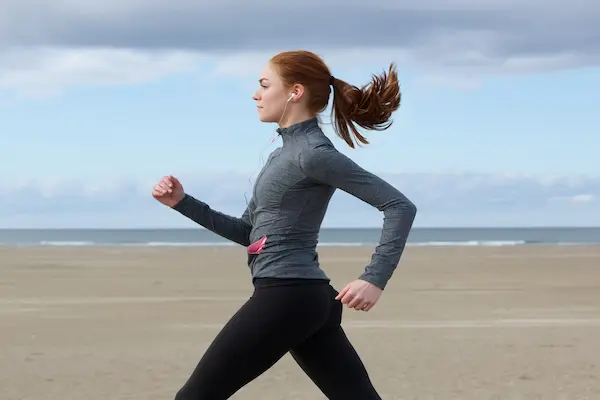
Brisk walking gets recommended everywhere because it looks simple from the outside, yet it can feel strangely confusing when you try to match the idea to your own body.
This beginner guide to brisk walking will show you what “brisk” actually feels like, how to warm up and cool down safely, and how to increase speed gradually over weeks without turning your walks into a stressful test.
Beginner guide to brisk walking: what “brisk” really means
Brisk walking is best understood as a purposeful, faster-than-normal walk that raises your breathing and heart rate while still feeling controlled and sustainable.
Instead of chasing a specific number on a watch, you’re aiming for a pace that feels like you’re doing real work, yet you could keep going without needing to “power through” discomfort.
Many beginners assume brisk walking means walking as fast as possible, but the safer definition is “moderate intensity that you can repeat often,” because repeatable effort builds fitness more reliably than occasional extremes.
Because bodies, leg lengths, terrain, and fitness levels vary, two people can both be walking briskly even if their speeds look different on paper.
Staying calm matters, because tension in the shoulders and jaw can make a moderate pace feel harder than it truly is, which often leads to quitting early or avoiding future walks.
Learning the feel of brisk walking is like learning the feel of a good cooking simmer, because it is steady, warm, and clearly active without boiling over into panic.
Brisk walking basics: the “feel” cues you can trust
Your breath becomes deeper and faster than a casual stroll, yet it stays smooth enough that you can recover quickly when you slow down.
Your body temperature rises a little, and you may feel pleasantly warm, especially in the back and chest, without feeling overheated or dizzy.
Your steps become more rhythmic, and your arms naturally swing a bit more, which often helps the pace feel coordinated rather than forced.
Your posture feels tall and steady, because slouching tends to restrict breathing and can make the pace feel more taxing.
Your effort feels like a confident “I’m working,” not a desperate “I’m surviving,” which is an important distinction for safety and consistency.
Beginner guide to brisk walking: the talk test explained
The talk test is the simplest way to know if your pace is brisk, because it measures intensity using your real-time breathing rather than a gadget.
At an easy pace, you can speak in full sentences comfortably, and your breathing feels mostly relaxed.
At a brisk pace, you can still talk, yet you might prefer shorter sentences, and you may pause briefly between phrases to breathe.
At a too-hard pace, conversation becomes choppy or impossible, and you feel like you must focus on breathing just to keep moving.
Using the talk test keeps brisk walking beginner-friendly, because it automatically adjusts for hills, heat, stress, and sleep, which all change your effort level.
A practical effort scale for moderate intensity tips
When you hear “moderate intensity,” think of an effort that feels noticeable but manageable, because moderate means you are challenged without being overwhelmed.
On a 1 to 10 effort scale, many people land around a 4 to 6 for a brisk walk, depending on conditioning and terrain.
Staying at a 4 or 5 is perfect when you’re new, because it builds confidence while lowering the risk of soreness and burnout.
Touching a 6 can be fine in short moments, especially after you’ve warmed up, as long as breathing stays controlled and your body feels stable.
Going above a 7 turns the session into something closer to a hard workout, which can be unnecessary when your goal is consistency and safe progression.
Quick reference table for “easy” versus “brisk” without numbers
Use the comparison below as a simple guide, then let your body be the final authority, because real-life walking conditions rarely behave like a perfect laboratory.
| Intensity | Breathing | Talking | Body feel |
|---|---|---|---|
| Easy | Calm, steady | Full sentences | Warm-up friendly |
| Brisk | Deeper, faster | Short sentences | Purposeful, controlled |
| Too hard | Ragged, pressured | Hard to talk | Strained, tense |
Beginner guide to brisk walking: warm-up and cool-down are not optional
A warm-up helps your joints and soft tissues transition from “still” to “moving,” which is especially important if you’ve been sitting for hours.
A cool-down helps your heart rate settle gradually, which often makes the entire session feel safer and less draining.
Skipping the warm-up can make the first minutes feel stiff and unpleasant, which can create the false impression that brisk walking “isn’t for you.”
Rushing the finish can leave you feeling abruptly winded or achy, which can reduce your desire to walk again tomorrow.
Building a routine around warm-up and cool-down is one of the easiest ways to keep brisk walking sustainable for beginners.
Warm-up: 5 minutes that make brisk walking feel smoother
Start at an easy pace that feels almost too slow, because the goal is preparation rather than performance.
Allow your steps to be shorter at first, because shorter steps often feel easier on ankles, knees, and hips.
Let arms swing naturally, because gentle arm movement supports rhythm while keeping shoulders relaxed.
Spend the last minute of the warm-up gradually speeding up, because the body responds better to gentle ramps than sudden jumps.
Finish warm-up feeling ready and stable, because readiness is the signal that your brisk minutes will feel controlled.
Warm-up add-ons for stiff days
- Shoulder rolls can reduce neck tension, especially after screens or driving, while keeping your walking rhythm easy.
- Ankle circles during a brief stop can help feet feel more awake, particularly if the first steps feel “creaky.”
- Twenty seconds of gentle marching can wake up hips and improve stride comfort without turning into a workout.
- Small side steps for ten seconds can activate outer hips, which often helps walking feel steadier.
Cool-down: 3 to 5 minutes that protect recovery
Gradually reduce pace in two or three small steps, because abrupt stops can feel uncomfortable for breathing and circulation.
Shorten your stride as you slow down, because shorter steps often feel more controlled when legs are mildly fatigued.
Let shoulders soften on purpose, because the upper body often stays tense without you realizing it.
Use a few longer exhales, because longer exhalations can help the body settle and can reduce that “wired after exercise” feeling.
Finish feeling calm enough to stand still comfortably, because that is a useful sign that intensity stayed appropriate.
Gentle post-walk stretching suggestions
Stretching after brisk walking is optional, yet it can feel nice when you keep it gentle, especially if calves and hips tend to tighten.
- A wall calf stretch for 20 to 40 seconds per side can ease lower-leg tightness without forcing range.
- A hamstring hinge with a soft knee for 20 to 40 seconds per side can reduce posterior stiffness while protecting the lower back.
- A short-stance hip flexor stretch for 20 to 40 seconds per side can open the front hips after long sitting.
- A chair figure-four hip stretch for 30 to 60 seconds per side can soften outer hips with excellent control.
- A gentle chest opener with hands behind the back for 20 to 30 seconds can undo desk posture tension.
Faster walking pace without forcing it: technique that makes brisk feel easier
When beginners try to walk faster, the most common mistake is reaching the feet farther forward, because overstriding can increase impact and strain.
Better results often come from slightly quicker steps with a comfortable stride length, because cadence changes can raise speed without stressing joints as much.
Relaxed posture is not just aesthetic, because tension steals energy and makes moderate intensity feel harder than it should.
Small technique cues can make brisk walking feel smoother immediately, which is exactly what a safety-first approach aims for.
Brisk walking basics: the posture checklist
- Head stays neutral, as if gently lifted from the crown, while your gaze remains forward rather than glued to the ground.
- Shoulders stay down and wide, which supports breathing and reduces neck fatigue during longer sessions.
- Arms swing naturally with elbows softly bent, because rhythmic arms help legs keep pace without extra strain.
- Hands remain relaxed, because clenched fists can creep into shoulder tension without you noticing.
- Chest stays open without exaggerated rib flare, because stable ribs help breathing feel smooth and controlled.
Foot strike and stride comfort for beginners
Quiet steps are a useful goal, because loud footsteps often signal overstriding or excessive tension in ankles and shins.
A comfortable stride usually lands your foot under your body more than far in front, which can reduce braking forces.
Terrain changes can alter your stride naturally, so accepting slightly shorter steps uphill often feels better than trying to maintain the same stride length everywhere.
Choosing stability over speed is smart, because a pace you can repeat is more valuable than a pace that leaves you sore.
Breathing patterns that support a moderate intensity walk
Nasal breathing can work during warm-ups and easy minutes, yet mouth breathing is perfectly fine when intensity rises, because comfort is the priority.
Step-count breathing can feel grounding, so using a simple rhythm often helps the mind stay calm while the body works.
- Try inhaling for three steps and exhaling for three steps, then adjust until the pattern feels natural.
- Experiment with a slightly longer exhale during brisk segments, because longer exhales can reduce shoulder tension.
- Return to slower breathing in cool-down minutes, because recovery is part of training, not an afterthought.
Beginner guide to brisk walking: how to build speed gradually over weeks
Gradual progress is the safest strategy, because tendons, joints, and cardiovascular fitness adapt over time rather than overnight.
Increasing too fast can create soreness, shin discomfort, or motivation crashes, which often interrupt consistency and slow progress overall.
Small weekly upgrades keep your body confident, because confidence reduces bracing and improves movement quality.
Consistency is the main goal, because walking fitness improves most when you practice frequently at tolerable intensity.
The simplest weekly rule for safe progression
Change one variable at a time, because changing duration and intensity together can make the workload jump too quickly.
Adding a few minutes is often enough, and adding a few brisk segments is often enough, because fitness responds well to small, repeated signals.
Leaving each session with energy left in the tank is useful, because that feeling helps you come back again rather than needing days to recover.
Week-by-week plan: 4 weeks of gradual brisk walking
Use the plan below as a flexible template, and adjust based on comfort, because the safest plan is always the one your body tolerates well.
Week 1: Learn the feel of a faster walking pace
- Walk 3 to 4 times this week, because frequency builds familiarity faster than one long session.
- Warm up for 5 minutes easy, because easy minutes prepare joints and reduce stiffness.
- Add 10 minutes brisk using the talk test, because short brisk time reduces overwhelm while still teaching intensity.
- Finish with 5 minutes easy cool-down, because gradual slowing supports recovery.
- Keep total time around 20 minutes, because manageable sessions build confidence and consistency.
Week 2: Extend brisk time without adding stress
- Keep 3 to 4 walks, because stable frequency supports habit formation.
- Warm up for 5 minutes easy, then walk brisk for 12 to 15 minutes, because small increases are enough.
- Include 5 minutes easy cool-down, because recovery helps you repeat sessions comfortably.
- Stay at effort 4 to 6, because moderate intensity tips matter more than “pushing.”
Week 3: Add light variety while staying controlled
- Walk 4 times if possible, because added frequency can improve fitness without making any one session too hard.
- Use 5 minutes warm-up, then walk 10 minutes steady brisk, because steady work builds base endurance.
- Add 4 rounds of 1 minute slightly brisker plus 1 minute back to brisk, because gentle variation keeps it interesting.
- Cool down for 5 minutes easy, because finishing calmly matters for long-term consistency.
Week 4: Build a repeatable “brisk walk” session
- Choose 4 sessions again, because repetition is the engine of change.
- Warm up 5 minutes, then walk brisk for 20 minutes using talk test pacing, because that creates a clean, simple structure.
- Add optional 4 x 30-second brisk pops with 60 seconds easy if you feel good, because intervals should feel chosen, not required.
- Cool down 5 minutes, then do gentle stretches if you enjoy them, because enjoyment is part of adherence.
How to progress after week 4 without overcomplicating
Keeping the same 30-minute “container” can work beautifully, because you can progress by shifting the balance of easy and brisk rather than adding more time.
- Borrow one minute from warm-up and add it to brisk minutes, because tiny shifts create progress while staying safe.
- Add one more interval round only once per week, because small doses reduce soreness risk.
- Choose a slightly hillier route once weekly, because terrain can raise intensity naturally without forcing speed.
- Prioritize consistency over intensity, because steady frequency often produces better fitness outcomes than occasional hard efforts.
Moderate intensity tips: how to avoid common beginner mistakes
Most brisk walking problems come from going too hard too soon, which is understandable when motivation is high and guidance is unclear.
Fixes are usually simple, because small changes to pacing, posture, and progression can transform comfort quickly.
Awareness protects your body, because noticing early warning signs helps you adjust before discomfort becomes a real problem.
Common mistake: starting the brisk pace immediately
Jumping into brisk pace without warm-up can feel harsh on calves and shins, especially after long sitting or first thing in the morning.
Starting slower creates a smoother ramp, which often makes the brisk portion feel easier and more enjoyable.
- Fix: keep the first five minutes truly easy, then increase speed gradually over the next minute.
- Fix: treat the warm-up as “practice posture,” because posture improvements show up fastest when you’re not fatigued.
Common mistake: overstriding to “go faster”
Overstriding can make steps louder and increase braking forces, which may irritate ankles, knees, or hips over time.
Cadence-based speed increases often feel safer, because quicker steps can raise pace while keeping landing under the body.
- Fix: shorten stride slightly and aim for quieter steps, because quiet usually equals smoother mechanics.
- Fix: let arms swing a bit more naturally, because arm rhythm often supports faster steps without tension.
Common mistake: turning every brisk walk into a hard workout
Walking hard every time can lead to fatigue and inconsistent training, which slows progress for most beginners.
Moderate effort you can repeat is the goal, because fitness is built by consistent exposures, not by constant strain.
- Fix: keep most sessions at talk-test brisk, then use short intervals only once or twice weekly if you enjoy variety.
- Fix: end sessions feeling capable of doing another short walk later, because that “not destroyed” feeling predicts consistency.
Common mistake: ignoring discomfort signals
Some discomfort is normal when you start moving more, yet sharp pain, swelling, or persistent symptoms deserve caution and possibly professional guidance.
Brisk walking should feel like effort, not like injury risk, so listening early is a smart long-term strategy.
- Fix: reduce intensity for a few sessions if soreness is high, because backing off briefly often prevents longer setbacks.
- Fix: change route surface if impact feels harsh, because softer terrain can make brisk walking easier on joints.
Beginner guide to brisk walking: tracking progress without obsession
Tracking can help you stay motivated, yet tracking should feel supportive rather than stressful, because stress can turn a healthy habit into a burden.
Progress often shows up as comfort and consistency before it shows up as dramatic speed changes, so gentle metrics work best.
Using simple notes helps you notice trends, because day-to-day variation is normal and does not mean you are failing.
Three low-pressure ways to track brisk walking progress
- Calendar checkmarks reward consistency, because showing up is the most important win for beginners.
- Comfort notes like “less stiff” or “easier breathing” highlight meaningful changes that speed alone might miss.
- Talk-test improvements, like speaking more easily at the same pace, indicate real aerobic progress without needing numbers.
Practical signs your brisk walking is improving
Recovery becomes faster, and you feel normal again sooner after the walk, which is a strong sign your fitness is adapting.
Your brisk pace feels more natural, and you spend less time negotiating with yourself to maintain it.
Your posture stays relaxed longer, and shoulders creep up less often, which suggests improved comfort and coordination.
Your breathing feels smoother, and you can talk more easily during brisk minutes, which often reflects improved aerobic efficiency.
Habit pairings that make brisk walking easier to repeat
Pairing walking with an existing routine reduces decision fatigue, because you remove the daily question of when you’ll do it.
- Walk after a meal, because that timing is easy to remember and often helps establish a consistent schedule.
- Walk after work, because it can act as a transition ritual that lowers stress while building fitness.
- Walk after morning coffee or tea, because waiting for your body to wake up can make the warm-up feel smoother.
- Walk during a regular break, because short, repeatable timing windows build habit strength.
Safety-first guidance: when to slow down, stop, or get help
Most people can learn brisk walking safely with gradual progression, yet individual health histories matter, which is why professional advice can be important.
Checking with a health professional is especially wise if you have cardiovascular concerns, uncontrolled blood pressure, diabetes complications, dizziness, balance issues, or ongoing joint pain.
Medication can influence heart rate and perceived effort, so guidance helps you pace appropriately if your internal signals feel confusing.
This article is general education, so it cannot replace individualized assessment when symptoms are persistent or concerning.
Stop walking and seek medical help if these occur
- Chest pain, pressure, or tightness appears, because those symptoms require immediate attention.
- Faintness, severe dizziness, or confusion occurs, because safety comes first in any exercise plan.
- Unusual shortness of breath feels disproportionate to effort, because breathing difficulty can signal medical issues.
- Severe joint pain or sudden swelling develops, because that suggests injury or inflammation that needs evaluation.
Adjust and monitor if these occur
- Sharp pain that changes your gait suggests you should slow down and consider rest, because limping can create secondary problems.
- Persistent shin discomfort suggests reducing intensity and checking footwear or terrain, because repetitive stress needs smart management.
- Hot spots or rubbing on feet suggest stopping to fix the issue, because small friction can become a bigger problem quickly.
- Excessive soreness that lasts several days suggests the workload increased too fast, because adaptation needs time.
Environment and route safety tips for beginners
- Choose well-lit areas when possible, because feeling safe supports relaxed posture and steady breathing.
- Pick smoother surfaces when joints feel sensitive, because uneven terrain demands more stabilizing work.
- Carry water in hot conditions, because dehydration can make moderate intensity feel harder than it should.
- Wear reflective items in low light, because visibility is an easy, high-impact safety upgrade.
FAQ: beginner guide to brisk walking
How long should a brisk walk be for a beginner?
Many beginners do well with 20 to 30 minutes including warm-up and cool-down, because that length is effective while staying manageable.
How often should brisk walking happen each week?
Three to five days per week works well for many people, because consistency matters more than making any single session extreme.
Should brisk walking feel like running?
Brisk walking should feel purposeful but controlled, because gasping or feeling out of control usually means the pace is too high for your current base.
Is it normal for brisk walking to feel hard at first?
Early sessions can feel challenging while your body adapts, yet the challenge should be moderate rather than overwhelming, and the walk should feel repeatable.
Can brisk walking improve fitness without other workouts?
Brisk walking can significantly improve endurance and cardiovascular health when done consistently, especially if you progress gradually over time.
Do I need intervals to make brisk walking “count”?
Intervals are optional because steady brisk walking already counts, and intervals should be added only when you feel ready and enjoy the variety.
Important independence notice
Notice: this content is independent and does not have affiliation, sponsorship, or control by any institutions, platforms, or third parties mentioned.
Closing: calm consistency beats perfect intensity
Brisk walking becomes easy to understand once you connect it to the talk test, a steady warm-up, and a pace that feels purposeful rather than punishing.
Over a few weeks, gradual increases and a safety-first mindset can turn “I’m not sure what brisk means” into “I know exactly what this pace feels like, and I can do it again tomorrow.”