
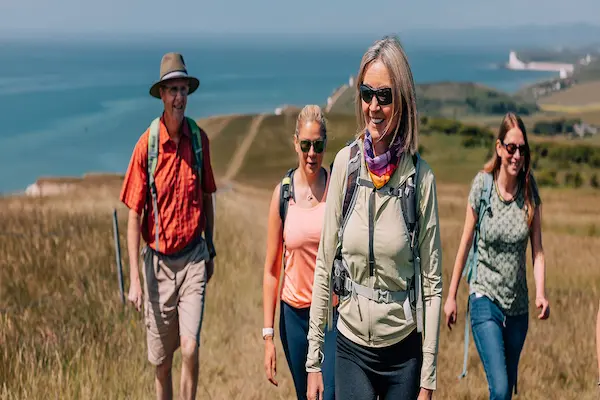
Hot days can make a simple walk feel surprisingly intense, especially when the sun is strong, the air is still, or humidity makes sweat less effective.
This guide shares walking tips for hot weather that help you stay comfortable, reduce risk, and keep outdoor movement realistic in a warm climate.
This content is educational and non-medical, so checking with a qualified health professional is the safest choice if you have existing conditions, take medications that affect heat tolerance, or feel unsure about exertion in heat.
Any sharp symptoms, scary sensations, or signs of heat illness deserve immediate caution, because safety matters more than finishing a route or hitting a step goal.
Walking tips for hot weather: start with heat safety, not toughness
Heat safety is not about fear, because it is about understanding that your body has a limited ability to cool itself when temperature and humidity rise.
Warm climates can be beautiful and energizing, yet the same conditions that feel normal outdoors can quietly increase strain during steady exercise like walking.
Hydration status, sleep quality, stress levels, and recent illness all affect heat tolerance, which means your “usual” pace can feel harder on certain days even if the route is identical.
Acclimation takes time, so the safest approach is gradually building exposure rather than jumping into long walks during the hottest week of the year.
Medications and health conditions can change how your body handles heat, so a brief medical check-in is empowering when you want clarity and confidence.
A gentle plan becomes sustainable when you treat hot-weather walking as a skill, because skills improve through repetition and smart adjustments instead of willpower.
Notice about independence and third parties
Notice: this content is independent and does not have affiliation, sponsorship, or control by any institutions, platforms, brands, or third parties mentioned or implied.
Clear stop-now signals that require ending the walk
- Stop immediately if you feel chest pressure, faintness, confusion, or severe shortness of breath that feels out of proportion to your pace.
- End the session if dizziness, nausea, or a pounding headache increases, because those can be early signs that heat is overwhelming your system.
- Seek help right away if you notice hot, dry skin with confusion or collapse, because heat stroke is a medical emergency.
- Pause and cool down if you develop chills or goosebumps in the heat, because that can signal your body is struggling to regulate temperature.
- Stop and reassess if you feel weak, wobbly, or unable to maintain normal walking form, because stumbling risk rises when heat stress rises.
Heat safety basics that make everything easier
- Plan the walk like you plan an errand, because timing and preparation reduce risk more than “pushing through” ever will.
- Choose a pace that keeps breathing controlled, because heat makes the same effort feel harder even when you are walking slowly.
- Use shade, airflow, and lighter clothing to support cooling, because your body cools best when sweat can evaporate.
- Carry water when conditions demand it, because hydration reminders matter more in hot climates than in mild climates.
- Build a bailout option into the route, because a smart exit plan makes you calmer and safer.
Summer walking tips: choose cooler hours and protect your consistency
Timing is the simplest heat safety upgrade, because the same route can feel dramatically easier when you walk during cooler parts of the day.
Early morning often provides lower sun intensity and cooler pavement, while late evening can work well when the day’s stored heat has started to fade.
Midday sun is usually the toughest window, because heat load increases through direct sunlight, hot surfaces, and reduced relief from shade.
Humidity can make evenings feel heavy, so the best time-of-day choice is the one that balances temperature, humidity, safety, and your schedule.
Consistency grows when the plan fits your life, so pick a walking window you can repeat most days rather than chasing an ideal time that rarely happens.
A flexible “two-window” strategy often works best in hot climates, because it gives you a backup when mornings get disrupted or evenings get unsafe.
Time-of-day options for walking outdoors in heat
- Choose dawn or early morning when possible, because lower solar intensity can reduce the fastest rise in body temperature.
- Pick late evening if mornings are impossible, because a calmer schedule can make walking feel more enjoyable and less rushed.
- Use shaded midday windows only for very short loops, because midday heat can spike quickly even at easy pace.
- Split the walk into two shorter sessions if needed, because two gentle walks can be safer than one long exposure.
- Shift to indoor walking on extreme days, because heat safety sometimes means changing the environment rather than forcing the plan.
A practical “hot day decision ladder”
- Check how you feel before you start, because fatigue and dehydration from yesterday can change today’s safe effort.
- Choose the coolest available time window, because timing is a low-effort way to reduce heat load.
- Shorten the route first before changing the pace, because shorter exposure is often safer than trying to “walk slow for long.”
- Add shade and airflow strategies next, because environmental cooling lowers perceived effort.
- Switch indoors when the weather feels risky, because consistency should never require unsafe conditions.
Hydration reminders: drink enough without turning water into a contest
Hydration matters more in heat because your body uses fluid to cool itself through sweat, and that cooling system works best when you start the walk already hydrated.
Thirst can lag behind needs, so relying only on thirst may be insufficient on very hot or very humid days, especially during longer walks.
Hydration is not just about water, because heavy sweat can include electrolytes, and some people feel better when they replace salt appropriately through normal meals.
Overdrinking plain water without consideration for electrolytes can also be uncomfortable, so the goal is steady, sensible hydration rather than extremes.
Hydration needs vary by body size, sweat rate, and climate, which means your best approach is monitoring how you feel and adjusting gradually.
A simple plan reduces overthinking, because the best hydration strategy is the one you can repeat without stress.
Hydration reminders before, during, and after
- Drink a modest amount of water in the hour before walking, because arriving slightly hydrated makes the session feel smoother.
- Carry water for longer walks or high-heat conditions, because hot-weather walking can increase fluid needs quickly.
- Sip periodically if you tend to sweat heavily, because small sips can feel better than chugging large amounts at once.
- Rehydrate after the walk, because recovery feels better when you replace what you lost through sweat.
- Use normal meals to support electrolyte balance, because food is often a practical, non-obsessive way to replace salt.
Simple signs you may need more fluids
- Noticeably dark urine can suggest dehydration, although medical context matters and unusual changes should be discussed with a professional.
- Dry mouth paired with fatigue can signal you started the walk underhydrated.
- Headache during or after walking in heat can be a dehydration or heat-stress clue that deserves caution.
- Unusual cramping can sometimes reflect hydration or electrolyte needs, especially when sweating heavily in summer.
- Reduced sweating with rising heat can be a warning sign, because the cooling system may be struggling.
Hydration choices that keep things tool-neutral and realistic
- Plain water works well for many short walks, because simplicity reduces decision fatigue.
- Electrolyte support may help some people on longer or very sweaty days, although individual medical considerations apply.
- Cold fluids can feel more tolerable in the heat, because cool temperature may help you sip more comfortably.
- Accessible water matters, because the best drink is the one you actually have with you.
Sun protection and clothing: reduce heat load before it builds
Sun protection is heat safety, because direct sun adds heat load even when the air temperature feels manageable.
Clothing choices can either support cooling or trap heat, so what you wear matters as much as what you drink.
Lightweight, breathable fabrics often feel better than heavy cotton on humid days, because evaporation is a key part of cooling.
A hat can protect your face and scalp, which can reduce discomfort and help you keep the pace calm instead of rushing to escape the sun.
Sunscreen can support skin protection, while shade and timing reduce exposure further, and combining methods usually works better than relying on only one tool.
Comfortable shoes matter in summer too, because hot, swollen feet or blister-prone socks can turn walking into a painful chore you avoid.
Summer walking tips for clothing choices
- Wear light-colored, breathable fabrics, because darker heavy materials can absorb and hold heat.
- Choose moisture-wicking socks when possible, because wet socks can increase blister risk on hot days.
- Use a brimmed hat or cap, because shade on the face can reduce perceived heat stress.
- Prefer sunglasses if bright light causes squinting headaches, because comfort reduces tension and improves pacing.
- Carry a small towel, because sweat management can improve grip, confidence, and comfort.
Sun protection reminders that stay practical
- Apply sun protection before you leave, because doing it after you are already sweating is harder and less consistent.
- Reapply when exposure is long or sweat is heavy, because protection can wear off during hot, humid movement.
- Use shade as your first strategy when possible, because shade reduces heat load without any extra effort.
- Pick routes with tree cover or building shade, because consistent shade keeps your temperature rise slower.
- Respect your skin sensitivity and medical history, because individualized guidance from a clinician is appropriate for higher-risk situations.
Route planning: shade, escape options, and low-stress logistics
Route choices can make hot-weather walking safer without requiring more fitness, because shade and access to help reduce risk if you need to stop.
Loop routes close to home can be kinder than long out-and-backs, because they make it easier to end early without being far away.
Busy roads add heat and stress through exhaust and reflected pavement heat, so quieter streets or parks often feel better in summer.
A route that includes water refill points can reduce anxiety, yet relying on refills should never replace carrying water when conditions are extreme.
Planning for shade, bathrooms, and safe stopping points makes the walk feel calmer, because you are not improvising while overheated.
Safety includes personal security, so walking in well-lit, familiar areas and choosing times that feel safe is part of the plan.
Route features that support heat safety
- Seek tree cover and shaded sidewalks, because shade reduces direct solar exposure.
- Prefer cooler surfaces when possible, because blacktop and concrete can radiate heat upward.
- Choose loops with easy exits, because the ability to stop early protects confidence.
- Walk near home or near safe indoor options, because a quick cool-down space can be useful.
- Plan bathroom access on longer sessions, because hydration is easier when restrooms exist.
The “two-route” system for warm climates
- Design one short shaded loop for hot or low-energy days, because a minimum route protects consistency.
- Create one longer option for cooler mornings, because longer sessions are safer when conditions are kinder.
- Commit to switching routes without guilt, because flexible decisions are smart decisions in heat.
- Keep routes familiar at first, because predictability reduces stress and decision fatigue.
- Adjust the plan across seasons, because summer walking tips can differ from cooler-month strategies.
Pace, intensity, and “how hard should this feel” on hot days
Heat makes your heart work harder to cool your body, which means the same speed can feel tougher in summer than it does in mild weather.
A safer approach is lowering intensity on hot days, because reduced effort lowers internal heat production.
Walking slower can still build consistency, because consistency is a habit outcome and not a speed outcome.
The talk test is a reliable guide in heat, because conversational breathing usually signals sustainable effort for most beginners.
Intervals can also help, because alternating easy and slightly quicker minutes can keep you engaged while still allowing recovery periods.
Any plan should be adjustable, because heat safety changes day to day and your best session is the one you finish safely.
Heat-adjusted pacing rules
- Keep most minutes easy, because easy pace reduces heat buildup and supports longer-term consistency.
- Slow down earlier than you think, because waiting too long can let heat stress rise quickly.
- Use walking breaks in shade, because short pauses can drop perceived exertion and improve safety.
- Reduce hills and stairs on hot days, because incline increases effort and heat production.
- Stop chasing personal records in summer heat, because hot weather is not the time for ego pacing.
Talk test cues for outdoor summer walks
- Easy zone: full sentences feel comfortable, and breathing stays steady even in warm air.
- Moderate zone: short sentences are possible, and you feel warm but still controlled.
- Too hard for heat: only a few words come out, and the effort feels urgent rather than steady.
- Emergency signal: speech becomes difficult due to breathlessness or confusion, which requires stopping and cooling down immediately.
Simple interval idea that stays beginner-friendly
- Warm up for 5 minutes at a very easy pace, because your body needs a gentle start before the heat load rises.
- Walk 1 minute slightly quicker, then 2 minutes easy, repeating 4–6 times, because longer recovery keeps it safe.
- Cool down for 3–5 minutes at easy pace, because a gradual finish supports recovery and reduces dizziness risk.
- Skip intervals on extremely hot days, because the safest workout is sometimes a calm stroll or an indoor session.
Walking tips for hot weather: humidity changes everything
Humidity matters because it can reduce how well sweat evaporates, which makes cooling less effective even if you are sweating a lot.
High humidity can make a moderate temperature feel far more intense, because the body’s main cooling mechanism becomes less efficient.
Airflow becomes more important in humidity, so breezy routes or exposed areas with moving air can feel easier than still, enclosed paths.
Pace often needs to drop further in humid conditions, because your body temperature can rise faster than expected.
Shorter sessions can be safer in humidity, because the longer you stay out, the more heat load can accumulate even at easy effort.
Indoor walking can be a smart option on extreme humidity days, because controlling airflow and temperature lowers risk while protecting your routine.
Humidity-friendly adjustments for warm climates
- Shorten the walk before you try to “tough it out,” because reduced exposure time is an effective safety move.
- Choose routes with airflow, because moving air helps sweat evaporate even when humidity is high.
- Wear breathable fabrics, because heavy clothing traps moisture and increases discomfort.
- Plan extra water access, because sweat loss can be high while cooling remains limited.
- Be conservative with intensity, because humidity can push you into heat stress faster than dry heat at the same pace.
Signs of heat stress: what to watch for, what to do, and when to seek help
Recognizing early warning signs is one of the most important walking tips for hot weather, because stopping early is far safer than trying to recover after symptoms escalate.
Heat stress can start subtly, so the goal is noticing changes in how you feel, how you think, and how your body responds to an easy pace.
Heat exhaustion is serious and deserves immediate cooling and rest, while heat stroke is an emergency that requires urgent medical help.
Staying calm helps you respond well, so having a simple action plan in advance makes it easier to do the right thing.
When in doubt, treating symptoms seriously is the safer choice, because the downside of stopping early is small compared with the risk of ignoring dangerous signs.
If you walk alone, consider extra caution, because having someone nearby can help if heat symptoms appear quickly.
Early warning signs that should trigger cooling down and stopping
- Lightheadedness or dizziness that grows as you continue walking.
- Unusual fatigue or weakness that makes your steps feel heavy.
- Nausea, headache, or a feeling of being “off” that is not improving.
- Excessive sweating with clammy skin and chills, especially when the environment is hot.
- Cramping that feels sudden or persistent, especially with heavy sweating.
Emergency warning signs that require urgent help
- Confusion, disorientation, or trouble speaking clearly.
- Fainting or collapse, even if you wake up quickly.
- Hot skin with reduced sweating, especially if symptoms escalate quickly.
- Seizure activity or severe coordination loss.
- Any symptom that feels life-threatening, because quick response saves lives.
What to do if heat stress symptoms begin
- Stop walking and move to shade or an indoor cooled area, because removing heat exposure is the first priority.
- Sit or lie down safely, because falls can happen when dizziness increases.
- Cool the body with airflow and cool cloths, because external cooling can reduce heat load.
- Sip water if you are alert and not nauseated, because hydration can support recovery in mild cases.
- Seek medical help if symptoms are severe, worsening, or concerning, because professional evaluation is appropriate when safety is uncertain.
Ventilation, airflow, and the “felt heat” problem on still days
Still air can make walking feel harder because airflow helps sweat evaporate, and evaporation is a major cooling mechanism.
A breezy path can feel easier than a sheltered path even at the same temperature, which means route choice can change perceived effort.
Urban environments can trap heat, and pavement can radiate warmth upward, so walking near parks or tree-lined streets can feel significantly better.
Fans are not available outdoors, yet you can choose routes that catch wind, and you can walk at times when breezes are more common.
Clothing that breathes becomes more important in still air, because trapped sweat increases discomfort and can raise perceived exertion.
Taking short shaded pauses can be a smart strategy, because brief stops can prevent symptoms from building into heat exhaustion.
Airflow tactics that support heat safety
- Select open routes near water or open spaces when safe, because airflow can improve comfort.
- Avoid enclosed courtyards or heat-trapping streets when possible, because still air increases felt heat.
- Walk slower when air is still, because you create less internal heat at a reduced pace.
- Plan shade breaks, because stopping in shade can quickly change how you feel.
- Switch to indoor walking on extreme still days, because controlled ventilation can protect your habit safely.
A gentle 7-day summer walking plan for warm climates
Structure reduces guessing, and reduced guessing makes it easier to stay consistent when hot weather tries to push you into skipping entirely.
This plan is intentionally modest, because the goal is building a habit that survives summer rather than chasing maximum effort.
Adjustments are expected, because weather changes, sleep varies, and some days require a shorter walk or an indoor backup.
Consult a health professional if you have existing conditions or concerning symptoms, because individualized advice is safer than generic plans.
Rules for this heat-safe weekly plan
- Walk during cooler hours whenever possible, because timing is the easiest safety upgrade.
- Keep intensity easy on hot days, because your body is already working hard to cool itself.
- Carry water if you are unsure, because hydration reminders are more important than pride.
- Stop before pain or heat stress symptoms, because finishing is never worth risk.
- Use indoor alternatives when needed, because consistency should not require unsafe exposure.
Day-by-day schedule
- Day 1: 12–20 minutes easy in cooler hours, focusing on shade and a relaxed pace that allows full sentences.
- Day 2: 8–15 minutes very easy or an indoor stroll, focusing on how your body feels rather than how far you go.
- Day 3: 15–25 minutes easy with one brief shaded pause, focusing on steady hydration and calm breathing.
- Day 4: Rest day or a 5–10 minute minimum loop, focusing on recovery and avoiding heat during peak sun.
- Day 5: 12–22 minutes easy with 4 short “brisk pockets” of 20–30 seconds only if conditions feel safe.
- Day 6: 10–18 minutes easy on a shaded route, focusing on sun protection and comfortable footwear.
- Day 7: Choose-your-own day with either a longer cool-hour walk or an indoor option, focusing on finishing feeling better than you started.
Troubleshooting: common hot-weather problems and calm solutions
Hot-weather walking rarely fails because you are lazy, because it usually fails because the plan does not account for weather, scheduling, or comfort barriers.
A better plan is one that expects obstacles and includes an easy backup, because backups protect the habit when summer conditions are harsh.
Solutions work best when they lower friction, because lowering friction makes “yes” feel possible even on days when energy is low.
Comfortable shoes and simple gear can matter more than motivation, because discomfort is a reliable habit killer.
Indoor walking counts, because the goal is movement consistency and not “outdoor purity.”
Small wins are powerful in summer, because heat often requires humility and smart scaling.
If the sun feels too intense
- Shift to earlier or later hours, because cooler timing reduces direct sun exposure.
- Choose shaded routes and loops, because shade can reduce heat load immediately.
- Wear sun protection consistently, because skipping protection increases cumulative exposure and discomfort.
- Shorten the walk and repeat later, because smaller exposure blocks can be safer than one long session.
If humidity makes you feel drained quickly
- Reduce pace sooner, because humid heat can increase strain faster than expected.
- Take short pauses in shade, because brief breaks can prevent escalating symptoms.
- Use indoor walking on extreme days, because controlling airflow can protect safety.
- Hydrate steadily, because heavy sweating can occur even when cooling is limited.
If you keep skipping because it feels miserable
- Adopt a minimum walk of 5–8 minutes, because minimum protects identity and consistency.
- Move the walk to a safer time window, because timing changes comfort more than “trying harder.”
- Change the route to add shade and interest, because enjoyment improves follow-through.
- Keep comfortable shoes near the door, because removing friction increases starts.
- Use indoor walking as a seasonal strategy, because summer routines can differ from winter routines.
If you sweat a lot and feel embarrassed
- Choose breathable clothing and darker shorts if you prefer, because confidence affects consistency.
- Carry a small towel, because practical comfort tools reduce self-consciousness.
- Walk at cooler times, because reducing heat load reduces sweat intensity for many people.
- Remember that sweating is a cooling mechanism, because the body is doing its job even if it feels inconvenient.
FAQ: walking tips for hot weather
Should I walk outside if it feels extremely hot?
Choosing an indoor option is often the safest choice on extreme days, because heat safety matters more than sticking to an outdoor plan.
How much water do I need for a short walk?
Many short walks feel fine with normal hydration, while hotter conditions may require carrying water, and individual needs vary widely.
Is it better to walk fast for less time or slow for more time in heat?
Slower pace with shorter total exposure is often the safer combination, because both intensity and duration affect heat load.
What clothing is best for summer walking tips in humid climates?
Breathable, lightweight fabrics usually feel better, because evaporation supports cooling even when humidity makes it harder.
When should I seek medical help during a hot walk?
Urgent help is appropriate for confusion, fainting, severe symptoms, or any heat illness warning sign that feels alarming or escalates quickly.
Printable checklist: heat safety, hydration reminders, and sun protection
- Pick cooler hours whenever possible, because timing lowers heat load before it starts.
- Choose shaded routes and short loops, because escape options increase safety and confidence.
- Wear breathable clothing and comfortable shoes, because comfort supports consistency.
- Bring water when conditions demand it, because hydration reminders matter most when sweating is heavy.
- Use sun protection strategies, because direct sun adds stress even at a gentle pace.
- Slow down early and keep the talk test comfortable, because heat makes effort climb faster than expected.
- Stop at the first sign of heat stress, because early stopping prevents serious escalation.
- Seek help when symptoms are severe or concerning, because heat illness can become dangerous quickly.
Closing: safe summer walking is still real progress
Walking in a warm climate becomes more enjoyable when you plan around heat instead of pretending it does not matter, because heat safety is what makes consistency possible.
With smart timing, shade, hydration reminders, sun protection, and clear stop signals, walking tips for hot weather can keep you moving through summer with confidence and care.