
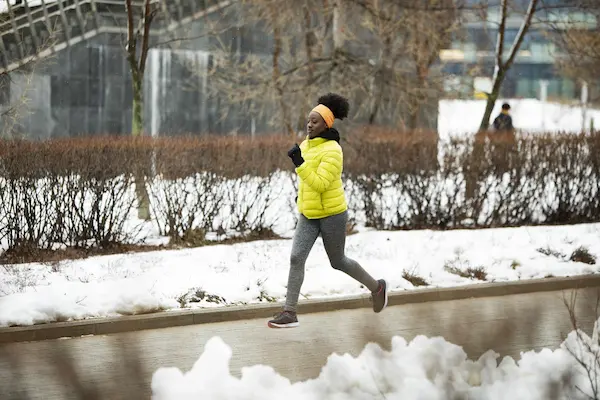
Cold-season walks can feel refreshing and empowering, especially when you know how to stay warm without overheating and how to move confidently on winter surfaces.
This guide shares walking tips for cold weather with practical layering, traction, indoor warm-ups, and clear reminders to avoid risky conditions.
Walking tips for cold weather: why winter walking feels different
Winter changes the walking experience because cold air affects breathing comfort, wind steals heat quickly, and surfaces can shift from dry to slick within a few steps.
Temperature alone is not the full story, because wind chill, precipitation, shade, and time of day can make the same route feel dramatically different.
Cold muscles often feel stiffer at the start, so the first minutes benefit from patience, smaller steps, and a warm-up that arrives before you push pace.
Moisture management matters more than you might expect, because sweat that stays on skin can cool you fast when you slow down or stop.
Footing becomes a major factor, because safe icy paths require slower changes of direction and a mindset that treats traction as a limited resource.
Comfort improves when you plan ahead, because a simple preparation routine reduces stress and helps you focus on steady movement instead of problem-solving mid-walk.
Body signals that deserve extra respect in the cold
Shivering is an early sign your body is working to stay warm, so take it seriously rather than treating it as a harmless inconvenience.
Numb fingers can reduce grip and balance, which means gloves and warmth breaks are safety tools, not “extra” accessories.
Burning skin on exposed areas can signal wind irritation or early cold stress, so covering cheeks and ears can prevent a small issue from becoming painful.
Confusion, clumsiness, or unusual fatigue can be warning signs, so ending the walk early is a smart, strong choice rather than a failure.
Medical conditions and medications can change cold tolerance, so checking with a health professional is wise if you have concerns or symptoms that feel unpredictable.
Winter walking tips for planning the day before you step outside
A short planning moment can protect your walk, because winter rewards preparation and punishes improvisation when conditions turn unexpectedly slick or windy.
Local conditions vary block to block, so looking out a window is helpful, yet checking your immediate environment matters even more than general forecasts.
Time flexibility keeps you safer, because delaying a walk until sidewalks are treated or daylight improves can reduce risk dramatically.
Confidence increases when you decide your “exit plan” first, because knowing how to cut the route short makes the whole outing feel less stressful.
A simple pre-walk safety checklist
- Check temperature, wind, and precipitation so you can dress for the real feel, not just the number.
- Choose a route with plowed or maintained paths so traction stays more predictable.
- Pick a turnaround point that lets you head home early if weather shifts or energy drops.
- Tell someone your general plan if you’re walking alone in low light or in very cold conditions.
- Decide an intensity cap for the day so you do not overheat early and then chill later.
Route red flags worth avoiding in winter
- Shaded sidewalks that stay icy even when sunny areas look dry.
- Bridges and overpasses that freeze faster than nearby pavement.
- Busy intersections with slushy curb cuts where cars may slide or splash.
- Steep hills that force braking steps and increase slip risk.
- Construction detours that narrow space and push pedestrians closer to traffic.
Layer clothing the smart way: warmth without sweat-soak
Layering works because it creates adjustable insulation, which lets you respond to changing effort levels and shifting wind without committing to one temperature.
Overdressing is a common beginner mistake, because starting too warm can lead to heavy sweating, and sweat can make you colder when you slow down.
Underdressing can feel tolerable for five minutes, yet it often becomes miserable later, so balance matters more than bravery.
Comfort improves when you dress for the middle of the walk, because you can tolerate a slightly cool start more easily than a sweaty, chilled finish.
The three-layer system in plain language
A base layer sits next to skin and manages moisture, so it should feel snug and breathable rather than bulky.
A mid layer adds warmth by trapping air, so it should insulate without restricting your arm swing or making you feel puffy.
An outer layer blocks wind and light precipitation, so it should shield you while still allowing heat to escape when your effort rises.
Ventilation is a feature, not a flaw, because zippers and adjustable openings help you regulate temperature without stopping.
Base layer choices that support comfort
- Moisture-wicking fabrics help keep skin drier when your pace increases.
- Comfortable seams reduce chafing, especially around underarms and waistbands.
- A longer hem can prevent cold drafts when you reach or swing your arms.
- A snug fit reduces flapping fabric, which can feel colder in the wind.
Mid layer options that stay practical
- Light fleece can feel warm without being heavy, which helps you move freely.
- Thin insulated vests keep the core warm while leaving arms less restricted.
- Soft sweaters can work for casual walks, provided they do not trap sweat excessively.
- Two thin mid layers can be easier to manage than one thick piece, because you can adjust more precisely.
Outer layer features that matter on cold, windy days
- Wind resistance protects you most when gusts pick up, because moving air strips heat quickly.
- Light water resistance helps with drizzle and wet snow, because damp fabric can cool fast.
- Breathable panels reduce overheating, because trapped heat can lead to sweat buildup.
- Adjustable cuffs and hems reduce drafts, because small gaps can make you feel colder than the temperature suggests.
Hands, head, and feet: the comfort triangle
Heat loss increases through exposed areas, so covering hands and head can make your whole body feel warmer even without adding a thicker jacket.
Dexterity matters for safety, because cold fingers make it harder to zip layers, grip railings, and manage keys or a phone.
Foot warmth supports balance, because numb feet reduce feedback and can increase the chance of a misstep on uneven winter surfaces.
- Gloves or mittens should match the day’s wind, because breezy conditions can chill hands quickly.
- A hat or headband helps retain warmth, because ears and scalp can cool fast in wind.
- Wool-blend socks often stay warmer when slightly damp, because warmth stability matters on longer walks.
- Shoes with enough room for thicker socks help circulation, because tight footwear can make feet colder.
A quick layering decision guide
- Dress so you feel slightly cool while standing still, because you will warm up within the first ten minutes.
- Choose one wind-blocking piece when breezes are steady, because wind can make moderate cold feel harsh.
- Pack an extra thin layer if your route is far from home, because unexpected delays happen.
- Use a neck gaiter or scarf on gusty days, because covering the throat can make breathing feel more comfortable.
- Adjust early rather than later, because small discomfort becomes big discomfort when you ignore it.
Walking tips for cold weather footwear and traction
Footwear matters in winter because traction and stability determine whether your walk feels confident or cautious to the point of stress.
Even a perfect layering system cannot fix a slippery route, because cold weather safety starts at the ground.
Traction tools can be helpful, yet they should match the surface, because certain devices work better on ice than on cleared pavement.
Stability improves when you accept slower speed, because safety on slick surfaces often requires smaller steps and fewer sudden turns.
Safe icy paths: choosing shoes with winter in mind
- Soles with deeper tread usually grip better, because shallow patterns can slide on packed snow.
- Firm heel counters can improve stability, because a wobbly shoe can increase ankle strain.
- Water resistance helps keep feet warmer, because wet socks can chill quickly.
- A slightly wider base can feel steadier, because narrow shoes sometimes feel twitchy on uneven surfaces.
Traction aids and when they make sense
Cleats or microspikes can help on ice, but they can feel awkward on dry pavement, so carrying and using them strategically is often smarter than wearing them everywhere.
Slip-on traction devices should fit snugly, because loose traction can shift underfoot and create new instability.
Trekking poles can add balance support, yet they require practice, so starting on easier routes can help you learn without rushing.
Replacing worn-out footwear is a safety decision, because smooth soles increase slip risk even when conditions look only mildly slick.
How to walk on icy surfaces without panic
- Shorten your stride so your foot lands closer under your body, because overreaching increases the chance of slipping.
- Keep knees slightly soft so you can react, because locked legs reduce your ability to stabilize.
- Use a slower pace and steady rhythm, because speed changes can break traction.
- Turn with small steps instead of twisting, because twisting can cause a sudden slide.
- Choose the flattest path available, because slopes amplify slip risk and braking forces.
What to do if you feel yourself slip
Staying calm helps because stiffening can worsen the fall, while controlled reactions sometimes regain balance.
- Try to lower your center of gravity by bending knees slightly, because a lower stance can be steadier.
- Reach for a stable object like a railing if available, because hand support can prevent a complete fall.
- Avoid grabbing at unstable items like loose signs or flimsy poles, because they can move and worsen the situation.
- Pause after a slip and reassess the surface, because repeated slipping is a clear signal to change route or end the walk.
Indoor warm-up ideas before you head into the cold
Warming up indoors can make outdoor walking more comfortable, because cold air can feel sharp when you start breathing hard too quickly.
Joint stiffness often decreases with gentle movement, so a five-minute routine can make your first outdoor steps feel smoother and safer.
Muscles warm faster than tendons, so building gradually is wise, especially if you tend to rush once you step outside.
A 5-minute indoor warm-up for winter walking
- March in place for 60 seconds with gentle arm swings, because rhythm wakes up hips and shoulders without strain.
- Do 10 slow calf raises, because calves manage traction and benefit from gentle activation.
- Perform 8 hip hinges with a long spine, because glutes and hamstrings support stable walking on uneven surfaces.
- Circle ankles for 20 seconds each direction, because ankle mobility helps you adapt to small slips and bumps.
- Finish with 6 slow deep breaths, because calm breathing sets a steady tone before cold air hits your lungs.
Warm-up upgrades for especially stiff days
- Include gentle side steps for 20 seconds, because outer hips support balance on slick ground.
- Add shoulder rolls for 30 seconds, because tension in the neck can make cold feel harsher.
- Try slow toe-to-heel rocking, because foot awareness improves traction decisions.
- Use a wall for balance if needed, because stability allows better movement quality and less bracing.
Cold-air breathing and pacing: steady pace wins in winter
Breathing can feel different in cold air, especially if the air is dry or windy, so easing in protects comfort.
Starting too fast can trigger sharp inhalations, so a slower ramp helps your lungs and throat adapt gradually.
Moderate effort is usually ideal for winter walking, because going very hard increases sweat risk and can lead to chilling later.
Talk-test pacing is useful here, because it keeps intensity controlled without needing to watch numbers.
Using the talk test in cold conditions
- An easy pace lets you speak full sentences, which is perfect for the first five to ten minutes.
- A moderate pace allows short sentences, which fits most general fitness and well-being goals.
- Too-hard effort makes speaking difficult, which often means you are producing sweat faster than you can manage in the cold.
Moderate intensity tips that protect warmth and comfort
- Build pace slowly over the first 10 minutes, because gradual increases reduce the urge to gasp cold air.
- Choose a rhythm you can maintain, because stop-and-go movement can cool you faster than steady motion.
- Use a scarf or neck gaiter if your throat feels irritated, because warming inhaled air can improve comfort.
- Vent layers early if you feel sweaty, because damp fabric can chill you later even if you feel fine now.
- Stay hydrated even when you do not feel thirsty, because cold air can be dehydrating without obvious cues.
How to manage sweat without stopping your routine
Ventilation is the most practical tool, because opening a zipper slightly can prevent overheating while keeping wind off your core.
Layer removal should happen before you are drenched, because once fabric is wet, your body must work harder to stay warm.
Carrying a thin hat or gloves that’s easy to remove can help, because small adjustments can keep you comfortable without major wardrobe changes.
Route planning for winter: choosing safe areas and safer timing
Route choice matters more in winter because the same distance can feel twice as hard when footing is uncertain and wind exposure is high.
Safer paths often include maintained sidewalks, plowed park loops, and routes with good lighting, because predictability reduces slip risk and stress.
Daylight improves visibility, so walking earlier in the afternoon rather than later at night can reduce hazards you might not see.
Traffic patterns affect safety, so avoiding rush-hour crossings can lower risk and make the experience calmer.
Choosing a route that supports confidence
- Loop routes feel reassuring, because they offer multiple exit points if conditions worsen.
- Out-and-back routes are simple to remember, because you can turn around as soon as the surface feels sketchy.
- Neighborhood walks can be convenient, because familiarity reduces the mental load of navigation.
- Park walking routes can be calming, because fewer cars and more space can reduce stress.
Timing tips that reduce cold stress and slip risk
- Midday can be warmer and brighter, because sunlight can soften icy patches and improve visibility.
- Early morning can be icier, because overnight freezing often creates a slick surface even if the day will warm up later.
- Evening walks can be safe with lighting and visibility gear, because being seen matters more when light is low.
- After storms, waiting for plows and salt can be wise, because fresh snow can hide ice underneath.
Crossings and curb cuts: the sneaky winter hazard
Slushy curb cuts can be slippery because cars pack snow into ice, so approaching slowly and stepping carefully can prevent surprise slides.
Crosswalk habits still matter in winter, because vehicles may need longer stopping distance on slick roads.
Eye contact with drivers is useful when possible, because turning cars can slide or misjudge your walking speed.
Local traffic laws should always be followed, because predictable pedestrian behavior improves safety for everyone sharing the road.
What to carry: a cold-weather walking kit that stays simple
Carrying a few essentials can turn a stressful situation into a manageable one, especially if weather shifts or your route takes longer than expected.
Overpacking can feel annoying, so the best kit is minimal and tailored to your typical route length.
Comfort increases when you plan for small problems, because small problems are the ones that often end walks early.
Essentials for most winter walks
- Water in a small bottle, because dehydration can happen even in cold air.
- Identification and a small amount of cash, because unexpected detours or transit needs can occur.
- A charged phone kept warm in an inner pocket, because cold can drain batteries faster than usual.
- A spare pair of thin gloves or glove liners, because wet gloves can become uncomfortable quickly.
Comfort and safety add-ons for colder or longer outings
- A neck gaiter or scarf, because wind protection can make breathing feel more comfortable.
- Hand warmers if your fingers go numb easily, because numbness can reduce grip and coordination.
- A small reflective accessory or bright layer, because visibility is a safety tool in dim light.
- A snack for longer walks, because low blood sugar can feel like sudden fatigue and cold sensitivity.
Sun protection still matters in winter
Snow can reflect sunlight, so glare can be intense even when temperatures are low.
- Sunglasses reduce squinting, because facial tension can increase overall fatigue.
- Sunscreen can protect exposed skin, because winter sun and wind can irritate and dry skin.
- A brimmed hat can reduce glare, because calmer eyes support better awareness of footing.
Walking tips for cold weather when conditions get extreme
Some days are not walking days, because extreme cold, high winds, or dangerous ice can turn a healthy habit into a risky choice.
Choosing to stay inside can be a mature fitness decision, because consistency is built over months, not won by one stubborn outing.
Safety-first planning includes knowing your limits, because your body’s cold tolerance can change with fatigue, illness, and stress.
Signs you should shorten the walk or head home
- Persistent shivering that does not improve with movement, because it can signal your body is losing heat faster than it can produce it.
- Numbness that spreads, because numb areas are at higher risk for cold injury.
- Confusion or unusual clumsiness, because coordination changes deserve immediate caution.
- Wet clothing that cannot be managed, because dampness accelerates cooling once pace slows.
Warnings about icy surfaces and risky conditions
Glazed ice is especially dangerous because it can be nearly invisible, so shiny patches and areas near drains deserve extra caution.
Black ice can appear on bridges and shaded areas, so assuming “it’s fine” can lead to sudden slips.
Freezing rain is a strong reason to skip outdoor walking, because traction can become unreliable even with good footwear.
Heavy snowfall can hide curbs and uneven surfaces, so slower pace and safer routes are essential if you choose to walk.
Indoor options that keep the habit alive
- Walk indoors in short loops at home, because ten minutes of movement still supports consistency.
- Use stairs carefully if safe, because brief stair walks can add variety without needing outdoor traction.
- Try an indoor marching routine with music, because rhythm can make indoor cardio feel less boring.
- Do gentle mobility and stretching, because keeping joints moving supports comfort even on no-walk days.
Cool-down and after-walk comfort: staying warm once you stop
Cooling down is important because stopping suddenly can make you feel colder quickly, especially if your layers are damp from effort.
Ending with a slow five-minute walk helps circulation settle, because abrupt stops can leave you feeling chilled and stiff.
Changing out of damp clothing quickly is one of the best winter recovery moves, because dry fabric protects warmth and skin comfort.
A simple post-walk routine for cold days
- Slow your pace for three to five minutes, because gradual transitions protect comfort and breathing.
- Head indoors and remove damp layers, because moisture cools you fast once movement stops.
- Drink water or a warm beverage, because hydration supports recovery even when thirst feels low.
- Check feet for hot spots or rubbing, because winter socks and wetness can increase blister risk.
- Warm hands and toes gently, because sudden intense heat can feel uncomfortable on very cold skin.
Gentle stretching suggestions after winter walks
Stretching is optional, yet a few gentle holds can feel soothing if calves, hips, and lower back tighten from cautious winter steps.
- Wall calf stretch for 20 to 40 seconds per side, because calves often work harder on slippery surfaces.
- Hamstring hinge with a soft knee for 20 to 40 seconds per side, because shorter winter steps can change hamstring sensation.
- Short-stance hip flexor stretch for 20 to 40 seconds per side, because sitting and layered clothing can make hips feel stiff.
- Chair figure-four hip stretch for 30 to 60 seconds per side, because outer hips stabilize you more on uneven ground.
A balanced weekly plan for winter walking consistency
Consistency through colder seasons becomes easier with flexible targets, because winter conditions will occasionally change your plan.
Weekly time goals can keep things simple, because time is easier to track than distance when snow and ice slow pace.
Variety helps motivation, because repeating the exact same route in the exact same conditions can get mentally stale.
Weekly walking time targets that stay realistic
- Begin with 60 to 90 total minutes per week, because that level is manageable for many beginners.
- Build toward 120 to 180 total minutes per week, because that range supports general health benefits without performance pressure.
- Increase gradually by 10 to 20 minutes per week, because small upgrades protect joints and reduce soreness risk.
Three winter-friendly schedule templates
- Template A: three 20-minute walks plus one 30-minute walk, because fewer sessions can still build a strong base.
- Template B: five 20-minute walks, because shorter daily sessions are easier to fit around weather windows.
- Template C: two 30-minute walks plus two 15-minute “bonus” walks, because short bursts keep momentum when conditions are unpredictable.
How to progress when routes are slower in winter
- Add minutes before adding speed, because winter speed often increases slip risk.
- Choose a slightly longer loop on clear days, because you can save harder upgrades for safer footing.
- Improve posture and rhythm first, because efficient walking reduces fatigue even at the same pace.
- Use gentle intervals only on dry, safe surfaces, because intervals require quick steps that demand traction.
FAQ: walking tips for cold weather
How cold is too cold to walk outside?
Conditions vary by person and location, so using common sense, wind chill awareness, and personal tolerance is key, while extreme cold and ice deserve extra caution.
Should I wear more layers if I tend to get cold easily?
Adding layers can help, yet managing sweat is still important, so choosing breathable layers and venting early usually works better than heavy overdressing.
What if sidewalks are icy but I still want to move?
Indoor walking, marching routines, or mobility work can maintain your habit safely, because falling risk is not worth forcing an outdoor session.
Is it okay to walk faster to stay warm?
A gentle increase can help, yet pushing too hard can lead to sweating and later chilling, so moderate, steady pacing is usually safer.
Do I need special traction devices for winter?
Traction aids can help on ice, yet good tread, careful pacing, and safer route choices are still the foundation of safe winter walking.
When should I consult a health professional?
Professional guidance is wise if you have existing conditions, concerning symptoms, or uncertainty about cold exposure and exercise safety.
Important independence notice
Notice: this content is independent and does not have affiliation, sponsorship, or control by any institutions, platforms, or third parties mentioned.
Closing: keep winter walking simple, prepared, and kind
Staying active in colder seasons becomes easier when layering is intentional, traction is respected, and indoor warm-ups prepare your body before the cold bite.
With safety-first choices and flexible expectations, these walking tips for cold weather can help you keep moving comfortably while avoiding unnecessary risks.