
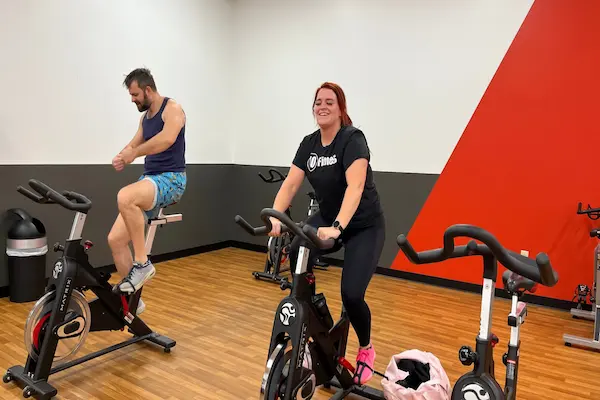
Starting cardio can feel like stepping into a world where everyone else seems to know the rules, while you are quietly wondering how hard is too hard and how to improve without accidentally turning enthusiasm into a setback.
These beginner cardio tips for safe progress will help you build endurance with calm, protective guidelines, using gradual increases, smart warm-ups and cool-downs, and clear reminders to check with a health professional whenever you feel unsure.
Beginner cardio tips for safe progress: what “safe” actually means

Safe progress means your body adapts steadily over time, your workouts leave you feeling better than broken, and your routine remains repeatable even when life is busy or energy is low.
Cardio safety basics start with the idea that your heart, lungs, muscles, tendons, and joints do not all adapt at the same speed, which is why going too hard too soon often creates pain or exhaustion even when motivation is high.
Protective training is not timid training, because it is the approach that keeps you showing up long enough for fitness to become real and lasting.
Listening to body signals is a skill you can learn, and that skill often matters more than any perfect workout plan, especially when you are building confidence as a beginner.
Because this article is general education and not personalized medical advice, it is always appropriate to consult a qualified health professional if you have existing conditions, a history of concerning symptoms, or uncertainty about what is safe for you.
The three outcomes you want after most beginner cardio sessions
- You feel warm and awake rather than wiped out, because a sustainable routine should support your day instead of draining it.
- Your breathing returns to normal within a reasonable time, because recovery is a practical sign that intensity matched your current fitness.
- Your body feels normal again by the next day, because lingering sharp pain or deep fatigue often signals you did too much too soon.
Why beginners worry about overdoing it, and why that fear can be helpful
Concern about overdoing is often a sign you care about consistency, and consistency is the real foundation of cardio progress.
Fear becomes unhelpful only when it stops you from moving at all, so the goal is to replace vague fear with clear, calm rules that keep you safe.
Once you have rules, you can relax, because you are no longer guessing every session.
Cardio safety basics: the “dose” mindset that protects beginners
Cardio works like a dose, meaning it can be helpful in the right amount and unhelpful when the amount increases too fast.
Beginners often benefit from smaller, frequent doses because your body learns the routine without needing dramatic sessions that create soreness and anxiety.
Building slowly is not wasted time, because slow builds strengthen the habit and your tissues at the same time.
The three training variables you should change carefully
- Duration is how long you do cardio, and it is usually the safest variable to increase first.
- Intensity is how hard it feels, and it should rise gradually because intensity increases stress quickly.
- Frequency is how often you do it, and adding days can help fitness, yet it can also increase fatigue if recovery is poor.
The “one change at a time” rule
Changing one variable at a time is one of the simplest beginner cardio tips for safe progress, because it prevents hidden workload spikes.
- Increase duration first while keeping intensity comfortable, because your body tolerates longer easy sessions well.
- After duration feels stable, add small intensity changes, because intensity creates bigger adaptation demands.
- Add an extra day only after you recover well from your current schedule, because frequency increases total stress.
A gentle guideline for gradual increase that stays realistic
Many beginners do well increasing total weekly cardio time by small chunks, such as 10 to 20 minutes per week, rather than trying to upgrade everything at once.
Progress does not need a strict percentage rule to be safe, because “small and consistent” is safer than “perfect and aggressive.”
If you feel sore, irritable, or unusually tired for several days, treat that as feedback to reduce the dose temporarily.
How to measure intensity without gadgets
Intensity is often confusing for beginners because the word sounds technical, yet you can measure intensity with simple body cues.
Breathing and speaking ability are among the most reliable signals, because they change quickly when effort rises.
Using internal cues also helps across different cardio types, whether you walk, cycle, use stairs, or follow a low-impact home routine.
The talk test: simple and trustworthy
- Easy means you can speak full sentences, which is ideal for warm-ups, cool-downs, and recovery sessions.
- Moderate means you can talk in short sentences with some breathiness, which is a strong target for beginner progress.
- Too hard means talking is difficult, which is a sign to slow down if your goal is safe, repeatable training.
An effort scale that protects you from overdoing
Using a 1 to 10 effort scale gives you a range to aim for, which reduces the urge to chase a “perfect” pace.
- Level 2 to 3 feels easy and warm, which suits early minutes and lighter days.
- Level 4 to 6 feels like steady work, which suits most beginner sessions when you want improvement without burnout.
- Level 7 feels challenging but controlled, which can be used sparingly once you have a solid base.
- Level 8 to 10 feels maximal, which is unnecessary for beginners focused on safe progress.
Signs intensity is creeping too high
- Breathing becomes choppy or tight, because your body is telling you the effort is rising too fast.
- Shoulders climb toward ears, because tension often increases when the pace exceeds comfort.
- Form gets sloppy, because fatigue is outpacing your current capacity.
- Recovery feels slow, because your system may be working beyond a sustainable zone.
Warm-up and cool-down: the protective bookends beginners need
Warm-ups and cool-downs are not decorative extras, because they reduce injury risk, improve comfort, and help your body transition smoothly between rest and effort.
A warm-up prepares joints and breathing for movement, while a cool-down helps your heart rate settle gradually and can reduce dizziness.
Skipping these bookends often makes cardio feel harsher than it needs to be, which can increase fear and reduce motivation.
Warm-up benefits that beginners notice quickly
- Movement feels smoother, because tissues are warmer and joints are less stiff.
- Breathing settles into rhythm, because you are not forcing your body into effort abruptly.
- Confidence increases, because the session starts gently and predictably.
A simple 5-minute warm-up you can use for almost any cardio
- Start with one minute of easy movement, because the goal is simply to begin gently.
- Add one minute of slightly quicker movement, because gradual ramps reduce strain.
- Include one minute of mobility-like actions, such as shoulder rolls or ankle circles, because small joints influence comfort.
- Use one minute of steady moderate pace, because your body learns the target effort safely.
- Finish with one minute at the pace you plan to use, because transitions feel smoother when they are practiced.
Cool-down benefits that support long-term consistency
- Heart rate lowers gradually, which can feel calmer than stopping suddenly.
- Breathing returns to normal more comfortably, which helps you associate cardio with safety rather than panic.
- Muscles feel less “shock-stopped,” which can reduce stiffness later.
A simple 3 to 5 minute cool-down structure
- Slow down your pace slightly for one minute, because the first step is reducing intensity without stopping.
- Slow down again for one minute, because gradual stepping down supports circulation.
- Finish with one to three minutes of easy movement, because your body should feel calm before you end.
- Add gentle stretching if it feels good, because comfort stretching can be soothing when kept mild.
Gradual increase: a beginner progression model you can trust
Progress becomes safer when it follows a simple pattern, because patterns reduce guesswork and prevent emotional decision-making on days you feel unusually energized.
A beginner progression model should be flexible, because stress, sleep, weather, and life demands change your recovery capacity.
Most safe progress looks like small steps forward with occasional lighter weeks, because adaptation is not linear.
The “build, hold, recover” rhythm
Building means adding a small amount of time or intensity, holding means keeping that new level stable for a week or two, and recovering means taking a lighter week occasionally.
- Build by adding 5 minutes to one session, because small changes reduce soreness risk.
- Hold that change for one to two weeks, because stability gives your body time to adapt.
- Recover by reducing volume slightly every few weeks, because lighter weeks can prevent accumulating fatigue.
Four-week example plan for cautious beginners
This example uses walking because it is accessible, yet the same structure works for cycling, low-impact home cardio, or elliptical sessions.
- Week 1: three sessions of 15 to 20 minutes at easy-to-moderate effort, because the goal is simply to show up and recover well.
- Week 2: three sessions again, with one session adding 5 minutes, because gradual increase works best when only one variable changes.
- Week 3: four sessions if recovery is good, keeping intensity similar, because frequency can increase gently after duration stabilizes.
- Week 4: keep four sessions but reduce one session to an easy recovery walk, because lighter days protect motivation and joints.
How to progress without adding more time
Time is not the only measure of improvement, because smoother breathing, steadier posture, and faster recovery are meaningful progress signs.
- Improve pacing control, because staying steady prevents accidental spikes in intensity.
- Reduce breaks gradually, because fewer stops often happen naturally as fitness improves.
- Choose a slightly hillier route once per week, because gentle terrain adds challenge without needing faster speed.
- Use short “brisk sprinkles” sparingly, because brief intervals can be effective without dominating the session.
Avoid overdoing: early warning signs and how to respond
Overdoing often happens when you stack progress changes, such as adding time and intensity and frequency in the same week, then hoping your body will simply accept it.
Listening to body signals early prevents setbacks, because most overuse issues begin as small warnings, not sudden disasters.
Responding quickly is not quitting, because small corrections protect the habit and keep you moving long-term.
Common signs you may be doing too much
- Soreness that lasts longer than expected, especially if it feels sharp or increases with each session.
- Fatigue that feels deeper than normal tiredness, especially if it affects mood and daily functioning.
- Sleep disruption, because overreaching can make the body feel wired or restless.
- Rising dread before workouts, because mental resistance often signals the plan is too demanding.
- Plateauing performance with increasing effort, because the body may be accumulating fatigue rather than adapting.
Practical ways to adjust without losing momentum
- Reduce duration by 20 to 30 percent for a week, because a short deload can restore comfort quickly.
- Lower intensity to easy talk-test pace, because easy sessions still build consistency and circulation.
- Swap high-impact cardio for low-impact options, because joints may need gentler movement while you keep the habit alive.
- Add an extra rest day if you feel unusually sore, because recovery is part of progress, not a detour from it.
Listen to body: the “green, yellow, red” signal system
- Green means mild fatigue and normal effort sensations, because your body feels stable and recovers as expected.
- Yellow means rising discomfort or unusual tiredness, because your body might need a lighter session or more recovery.
- Red means sharp pain, dizziness, chest pressure, or symptoms that worsen, because stopping and seeking guidance is the safest choice.
Posture and technique: small changes that protect beginners
Technique matters because poor mechanics can increase stress on joints and make cardio feel harder than it needs to feel.
Comfortable posture supports breathing, because slumped posture can compress the chest and encourage shallow inhalations.
Relaxed movement also saves energy, because unnecessary tension wastes effort without improving fitness.
Walking posture cues that help most beginners
- Keep your head neutral and eyes forward, because looking down can tighten neck and reduce balance awareness.
- Allow shoulders to drop, because shrugged shoulders increase tension and breathing effort.
- Let arms swing naturally, because rhythmic arms can support pacing without extra strain.
- Choose shorter steps if joints feel sensitive, because overstriding often increases impact and discomfort.
Technique cues for low-impact home cardio
- Land softly and keep knees slightly bent, because soft joints absorb stress more comfortably.
- Use arm drive to increase intensity, because arms can raise heart rate without extra impact.
- Move in controlled ranges, because bigger is not better if it disrupts stability.
When to check with a health professional and why it matters
Seeking guidance is a strong choice when you are unsure, because individualized advice can prevent mistakes that general articles cannot anticipate.
Medical history, medications, and symptoms can change what is safe, so professional input is particularly valuable if you are returning after a long sedentary period or managing chronic conditions.
This article is general information, and it does not diagnose, treat, or replace the care of qualified professionals.
Situations where professional guidance is especially wise
- Heart conditions, uncontrolled blood pressure, or unexplained shortness of breath.
- Dizziness, fainting, or chest pain during or after exercise.
- Joint pain that persists, worsens, or changes how you move.
- Neurological symptoms such as numbness, tingling, or weakness.
- Recent surgery, pregnancy considerations, or complex medical histories.
Stop immediately and seek urgent help if alarming symptoms occur
- Chest pain, pressure, or tightness appears, because those symptoms require prompt medical evaluation.
- Severe dizziness, fainting, or confusion occurs, because safety is the priority.
- Unusual shortness of breath feels disproportionate to effort, because breathing distress can signal serious issues.
- Sudden weakness or severe pain develops, because abrupt symptoms require caution and assessment.
Beginner cardio tips for safe progress: a practical checklist
Checklists reduce anxiety because they turn vague concerns into simple actions you can repeat each session.
Revisiting the checklist occasionally can keep your routine honest, especially when excitement tempts you to push beyond your current base.
Before the session
- Choose a duration you can repeat, because consistency matters more than one big day.
- Decide your intensity using the talk test, because breathing cues help you stay in a safe zone.
- Plan a warm-up, because starting gently reduces stiffness and improves comfort.
- Keep water nearby if needed, because hydration supports performance and recovery.
During the session
- Monitor breathing and posture, because tension often signals intensity creep.
- Slow down if talking becomes difficult, because moderate is the target for most beginners.
- Take breaks without guilt, because breaks support safer effort and better form.
After the session
- Cool down gradually, because abrupt stops can feel uncomfortable and sometimes dizzying.
- Notice how recovery feels over the next few hours, because recovery quality guides future progress.
- Adjust the next session if soreness is high, because responsiveness is part of safe training.
FAQ: beginner cardio tips for safe progress
How fast should I increase my cardio as a beginner?
Small changes work best, such as adding a few minutes to one session per week, because gradual increase reduces soreness and burnout.
Is it okay to feel tired after cardio?
Mild fatigue is normal, yet exhaustion that affects your day or lasts several days suggests the dose was too high.
Should I do cardio every day?
Many beginners do well with three to five days per week, because rest and lighter days support recovery and joint comfort.
What if I miss a week?
Restart with a smaller dose and rebuild gradually, because returning gently is safer than trying to “make up” lost sessions.
How do I avoid side stitches and breathlessness?
Warming up longer, slowing intensity, improving posture, and using controlled breathing often help, while persistent issues deserve professional guidance.
Which cardio is safest for beginners?
Walking, cycling, swimming, and low-impact home routines are often beginner-friendly, because they allow moderate effort with lower impact stress.
Important independence notice
Notice: this content is independent and does not have affiliation, sponsorship, or control by any institutions, platforms, or third parties mentioned.
Closing: safe progress is quiet, steady, and powerful
When you build cardio gradually, respect warm-up and cool-down bookends, and respond to body signals early, you create a routine that improves fitness without turning into fear or frustration.
Over time, these beginner cardio tips for safe progress can help you trust your body, avoid overdoing, and stay consistent long enough for cardio to become part of your life.