
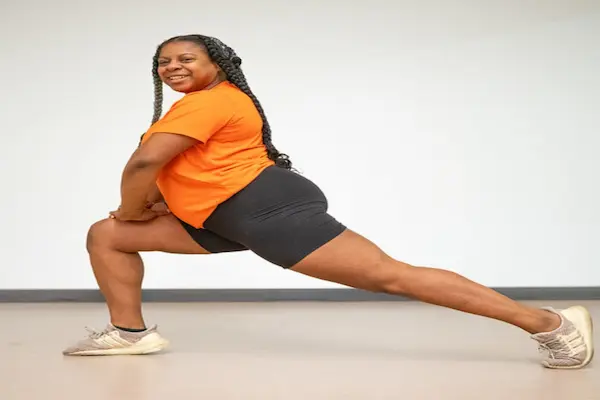
Many beginners are used to skipping warm ups and jumping straight into the main workout, yet taking just a few careful minutes to prepare your body before exercise can make a huge difference to comfort, safety and how enjoyable your training feels from the very first movement.
By understanding how to warm up before workouts in a simple, structured way, you can gently increase circulation, loosen stiff joints, wake up your muscles and focus your mind, all without pushing hard or adding much time, which means you start every session with a calmer, safer and more confident foundation.
Why Warming Up Matters Before Any Workout

When you go from sitting at a desk, driving a car or relaxing on the sofa straight into intense exercise, your body has almost no time to adjust, and this sudden jump in demand can feel shocking for your heart, lungs, muscles and joints.
A warm up routine creates a bridge between everyday life and more demanding movement, so your system can transition gradually instead of being thrown into effort without warning.
Benefits of Warming Up Before You Exercise
- Increases blood flow to your muscles so they receive more oxygen and nutrients before you ask them to work harder.
- Gently raises your heart rate and breathing, allowing your cardiovascular system to adapt in small steps rather than sudden spikes.
- Improves joint mobility and muscle elasticity, which can reduce the risk of feeling stiff, tight or awkward when you start your main workout.
- Activates the specific muscles and movement patterns you will use, helping your body remember how to move smoothly and efficiently.
- Gives your mind time to switch from daily worries to body awareness, which supports better focus, coordination and safety.
Seeing the warm up as a vital part of your workout, rather than an optional extra, makes it easier to give those few minutes the attention they deserve.
How to Warm Up Before Workouts: Core Principles
Before looking at specific exercises, it helps to understand a few simple principles that guide any safe start, because once you understand these, you can adapt your warm up routine to many different types of training without losing the main protective benefits.
Start Gently and Build Gradually
Your first movements should feel easy and almost casual, with intensity increasing only after your body begins to feel a little warmer and looser.
- Begin with low effort actions such as slow marching, shoulder rolls or relaxed walking, especially if you have been sitting for a long time.
- Increase the range of motion and speed slowly over several minutes instead of jumping straight to big, fast movements.
- Use the first one or two minutes to simply notice how your joints, muscles and energy feel on that particular day.
By building from very gentle to moderately active, you respect the fact that your body might feel different each session, and you give yourself room to adjust accordingly.
Keep the Warm Up Specific but Simple
A safe start works best when it gently imitates the types of movements you plan to do in your main workout, while still staying easy and accessible.
- If you are going to walk or jog, include marching in place, heel raises and leg swings in a controlled way.
- For strength sessions, add light versions of squats, lunges, pushes and pulls with minimal or no resistance.
- When you plan upper body work, spend a little extra time on shoulder circles, arm swings and spine mobility.
Matching the warm up routine to the main activity prepares nervous system and muscles for those patterns, which feels more natural than doing unrelated motions.
Stay in a Light to Moderate Effort Zone
The warm up is not the time to chase breathless intensity or a burning muscle feeling, because the goal is preparation rather than fatigue.
- Use a pace where you feel slightly warmer and more awake, yet still able to hold a full conversation without gasping.
- Stop short of any sharp pain or strong discomfort, especially in knees, hips, shoulders or lower back.
- Remember that you should feel ready to do more at the end of the warm up, not already exhausted.
Keeping effort comfortable allows your main workout to be the star of the session, with the warm up quietly supporting it in the background.
Dynamic vs Static Warm Up: What Beginners Need to Know
Many people have heard that stretching is important but are unsure about whether to hold long stretches before exercise, move in and out of positions or skip stretching completely, so understanding the difference between dynamic and static work is key to a safe start.
What Is a Dynamic Warm Up
A dynamic warm up uses controlled, moving exercises that take your joints through a comfortable range of motion, gradually increasing circulation and preparing your muscles to work without holding any position for long periods.
- Examples include marching in place, leg swings in a small range, arm circles, torso rotations and gentle walking lunges.
- Movements are usually performed for a set amount of time or a small number of repetitions, such as thirty to sixty seconds or eight to ten reps.
- Actions should feel smooth and deliberate rather than bouncy or jerky, keeping the joints safe while you warm up.
Most of your warm up routine should be dynamic, because this type of movement prepares your body for the more active phases of your workout.
What Is Static Stretching and When to Use It
Static stretching involves moving into a gentle stretch position and holding it without bouncing, often for fifteen to thirty seconds, which can help flexibility and relaxation when done at the right time.
- Common examples include calf stretches against a wall, hamstring stretches while seated and chest stretches with the arms placed behind the body.
- Holding these stretches at the very start of a session, before your muscles are warm, can feel uncomfortable and may not help performance for most beginners.
- Using static stretches after your main workout or as part of a separate gentle mobility session is usually more comfortable for many people.
Thinking of dynamic movements as the main warm up and static stretches as a cool down or separate practice makes it much easier to decide which type to use and when.
5–10 Minute Warm Up Routine You Can Use Anywhere
Having a clear example makes it much easier to actually follow a safe start instead of promising yourself that you will “just move a little” and then forgetting, so the following warm up routine offers a simple blueprint you can keep almost the same for many different workouts.
- Total time: about five to ten minutes, depending on how many rounds and how slowly you move.
- Intensity: light to moderate, with an emphasis on easy breathing and control.
- Space needed: a small clear area in a living room, hallway, bedroom or gym corner.
Step 1: Whole Body Wake Up (1–2 Minutes)
This first section helps you shift gently from stillness into motion, loosening large joints and increasing circulation without strain.
- Easy March in Place – thirty to sixty seconds
- Stand tall with feet hip width and arms relaxed by your sides.
- Lift one knee slightly, then the other, in a rhythmic march, letting your arms swing naturally.
- Use a soft footfall to keep the movement quiet and joint friendly.
- Shoulder Rolls and Arm Circles – thirty to sixty seconds
- Roll both shoulders forward in gentle circles five to ten times, then reverse direction.
- Raise your arms to the sides at a comfortable height and draw small circles forwards, then backwards, staying relaxed.
- Keep the motions small if your shoulders are stiff, increasing range gradually as they loosen.
After this step, you should feel a little warmer and more aware of your posture without any sense of strain.
Step 2: Dynamic Upper Body Warm Up (1–3 Minutes)
The second phase focuses on preparing your shoulders, chest and upper back, which is especially helpful before strength training, pushing, pulling or any activity that uses your arms a lot.
- Arm Swings Across and Open – thirty to sixty seconds
- Swing your arms gently forward so they cross in front of your chest, then open them wide as if welcoming someone.
- Alternate which arm crosses on top, keeping your shoulders relaxed and your chest open.
- Move continuously but slowly enough that you feel in control at every moment.
- Torso Rotations – thirty to sixty seconds
- Stand with feet slightly wider than hip width and knees soft.
- Rotate your upper body gently to the right and left, allowing your arms to follow in a light swinging motion.
- Keep the rotation small and smooth, turning from your waist while your hips face roughly forward.
- Wall or Counter Push Prep – thirty to sixty seconds
- Place your hands on a wall or counter at chest height and step your feet back a little.
- Bend your elbows very slightly and straighten them again, like a tiny partial push up, focusing on warming shoulders and wrists.
- Use a shallow range, because the goal is to wake the muscles, not to challenge them yet.
Upper body movements like these make pushing and pulling exercises feel more comfortable and help your shoulders feel supported instead of surprised once the workout begins.
Step 3: Dynamic Lower Body Warm Up (2–3 Minutes)
Since legs carry you through nearly every type of workout, this section prepares hips, knees and ankles with simple joint friendly moves that keep at least one foot on the floor at all times.
- Side Step Touch – sixty seconds
- Step your right foot out to the side, then bring your left foot in to meet it, and repeat to the other side.
- Let your arms swing or reach gently forward at shoulder height, adjusting speed to stay comfortable.
- Maintain a soft bend in your knees and keep your steps small if your joints are sensitive.
- Hip Circles or Weight Shifts – sixty seconds
- Place your hands lightly on your hips and slowly draw small circles with your hips, changing direction halfway through.
- Alternatively, shift your weight side to side, moving your body gently over one foot and then the other.
- Keep movements slow and smooth, exploring where your hips feel free and where they feel stiff.
- Heel Raises with Support – sixty seconds
- Hold a wall, rail or the back of a chair for balance.
- Rise onto the balls of your feet, lifting your heels off the ground, then lower them back down with control.
- Move at a comfortable tempo, aiming for ten to fifteen repetitions within the minute.
Lower body dynamic moves gently stimulate the muscles you will use for walking, squatting, climbing stairs or more intense activities, while helping your joints feel more lubricated and ready.
Step 4: Light Control and Balance (1–2 Minutes)
Finishing the warm up with small balance and control challenges helps your body feel organised and steady, which can reduce awkward missteps during the main workout.
- Single Leg Stand with Support – thirty to sixty seconds per side
- Hold a wall or chair lightly with one hand and shift your weight onto one leg.
- Lift the other foot slightly off the ground, keeping your gaze on a fixed point in front of you.
- Hold for a few slow breaths, then switch sides, always stopping before your leg feels overly tired.
- Mini Squats or Sit to Stand – thirty to sixty seconds
- Stand in front of a chair and slowly bend your knees and hips a little, as if starting to sit, then return to standing.
- Use a small range of motion at first, focusing on control and comfort in your knees and hips.
- Repeat at a gentle pace, breathing out as you stand and in as you lower.
By the time you finish this step, your heart rate should be slightly elevated, your breathing a bit deeper and your body feeling more connected and ready for safe movement.
Adapting the Warm Up for Different Types of Workouts
Although the example routine works well for many situations, knowing how to adjust it for cardio, strength or mixed sessions makes it more flexible, so you can keep the same structure while tailoring the details to your plans.
Before Walking or Light Cardio
- Spend a little longer on marching, side step touches and heel raises to emphasise the legs and ankles.
- Add gentle forward and backward leg swings in a small range while holding a wall if your balance allows.
- Finish by walking slowly for one to two minutes before moving into your normal cardio pace.
Before Strength Training Sessions
- Keep the full body warm up but insert more specific movements that copy your planned exercises, such as bodyweight squats or wall rows.
- Use very light or no resistance during warm up sets, focusing completely on technique and joint comfort.
- Allow a short rest after the warm up before lifting slightly heavier loads, so you do not start your working sets already tired.
Before Home Workouts vs Gym Sessions
- At home
- Use furniture, walls and small spaces creatively, relying mainly on bodyweight and simple motions.
- Keep noise low with soft foot placement if you share walls or live above others.
- In the gym
- Use open floor areas, light cardio machines at easy settings and low resistance cables to replicate your routine.
- Respect your own pace even if people around you are already working at higher intensities.
Adapting in this way keeps the core principles of a warm up routine in place while making your preparation feel relevant to the workout you are about to perform.
How to Tell Your Warm Up Is Working
Because the warm up feels gentle, it can sometimes be hard to judge whether it has done enough, so paying attention to specific signs can help you know when your body is ready to move into the main phase.
Positive Signs of a Good Warm Up
- Your body temperature feels slightly elevated and your skin may feel a little warmer to the touch.
- Breathing has increased slightly but you can still talk in full sentences without struggling.
- Movements that felt stiff at the start now feel smoother and easier to perform.
- Subtle tension in shoulders, neck or lower back has reduced compared with a few minutes earlier.
- Your focus has shifted from outside distractions toward what your body is doing and feeling.
When these signs appear, you have likely prepared your body enough to safely handle a gradual increase in intensity.
Signs You May Be Pushing Too Hard in the Warm Up
- Breathing feels heavy, and you find it difficult to speak more than a few words at a time.
- Your heart feels as if it is pounding or racing in an alarming way rather than simply working a bit harder.
- Muscles begin to burn intensely or feel shaky before your main workout has even started.
- Sharp pain, twinges or pinching appears in joints or specific areas, especially when moving in certain directions.
- You feel lightheaded, dizzy or unusually unwell at any point during the routine.
If these signals appear, it is wise to slow down, reduce the range of motion or stop completely and rest, then decide whether it is safe to continue or whether you should end the session and, if needed, talk with a health professional.
Safety Notes for a Safe Start Every Time
Even though a warm up routine is designed to be gentle, paying attention to basic safety guidelines makes your preparation more reliable, particularly if you have any health concerns or have been inactive for a long time.
General Safety Guidelines
- Move within comfortable ranges, stopping or shrinking a movement if you notice sharp or unusual pain in any joint.
- Breathe continuously and naturally, avoiding the habit of holding your breath during effort, which can increase internal pressure.
- Use supports such as walls, counters or sturdy chairs whenever balance feels uncertain, especially during single leg work.
- Wear shoes that feel stable and cushioned if you are on hard floors, unless a professional has advised you otherwise.
- Ensure the area around you is free from clutter or tripping hazards before you begin moving.
When to Talk with a Health Professional First
- You have been told you have heart disease, significant lung problems or uncontrolled high blood pressure.
- You experience chest pain, strong breathlessness or dizziness during light activities such as walking short distances.
- There is a history of serious heart events in close family members at a young age.
- You are recovering from surgery, injury or a long illness that has significantly reduced your strength or mobility.
- You are pregnant, recently postpartum or living with conditions that affect balance, sensation or joint stability.
In these circumstances, a doctor, physical therapist or other qualified professional can help you adapt the warm up routine and broader exercise plan to your individual needs and safety considerations.
Common Warm Up Mistakes Beginners Can Avoid
Knowing how to warm up before workouts also means understanding what often goes wrong when people rush or misunderstand this part of training, so you can sidestep those issues and protect your body.
Typical Warm Up Errors
- Skipping the warm up entirely and going straight to high effort exercises, which can shock muscles and joints.
- Doing only long static stretches on cold muscles, which may feel uncomfortable and does little to prepare for dynamic movement.
- Turning the warm up into a mini workout by pushing too hard, too long or with too much speed.
- Repeating the exact same quick routine regardless of whether the main workout is strength, cardio or a different style.
- Copying advanced athletes’ or influencers’ elaborate warm ups that do not match personal fitness level or needs.
Simple Fixes for a Better Warm Up
- Commit to a short five minute warm up even on busy days, treating it as non negotiable for safety.
- Base your routine on dynamic movements first and save most static stretches for the cool down or separate sessions.
- Use a comfortable pace that leaves you feeling ready for more, rather than testing your limits before you even begin.
- Adjust the focus of your warm up so that it matches your planned workout, emphasising legs for walking days and upper body for heavy arm days.
- Choose simple, beginner friendly motions rather than complex drills until your coordination and confidence grow.
Making these small adjustments can dramatically improve how safe and comfortable your workouts feel.
Sample Warm Up Plans for Your First Few Weeks
Consistency becomes easier when you have a straightforward plan rather than making decisions from scratch every time, so here are some simple ways to use your warm up routine across several weeks.
Week One: Two Workout Days
- Day 1
- Five minute full warm up routine before a short cardio or strength session.
- Three to five minute cool down walk and light stretching afterwards.
- Day 2
- Repeat the same warm up routine, paying attention to whether any movements feel easier than on Day 1.
- Adjust range of motion slightly if your body feels more relaxed and ready.
Week Two: Three Workout Days
- Day 1
- Use the full 5–10 minute warm up routine with a little extra focus on lower body if doing more walking.
- Notice how your breathing changes from start to finish.
- Day 2
- Repeat the warm up before a strength focused session, including extra practice of squats and wall pushes with light effort.
- Shorten or skip any elements that bother your joints, replacing them with comfortable alternatives.
- Day 3
- Use a slightly shorter version of the warm up at five minutes if you are feeling tired, focusing on quality rather than quantity.
- End the workout with an easy cool down and a brief note about how your body feels overall.
Week Three and Beyond
- Continue using the same basic structure while adjusting durations, ranges and focus to match your growing confidence and fitness.
- Experiment with adding one or two new dynamic movements, such as gentle lunges or arm reaches, once the core routine feels familiar.
- Keep the safety principles the same, even if some parts of the warm up become more energetic over time.
Repeating a consistent warm up pattern like this lets your body recognise the signals that exercise is coming, which can make each session feel smoother from the very beginning.
Frequently Asked Questions About How to Warm Up Before Workouts
Beginner exercisers often have similar doubts about warm ups, and answering these clearly can help you feel more confident about putting your new routine into practice.
How Long Should a Warm Up Last
- Most beginners do well with five to ten minutes, depending on how cold, stiff or tired they feel at the start.
- Shorter warm ups around five minutes can work for very gentle sessions, while longer ones closer to ten minutes suit more demanding workouts.
Do I Need to Sweat in the Warm Up
- A light sheen of sweat can appear near the end of the warm up, and that is fine, but heavy sweating is not required.
- The clearest indicators are feeling slightly warmer, more mobile and more focused, not how wet your skin becomes.
Can I Just Walk Slowly as My Only Warm Up
- Slow walking alone is better than nothing, especially if you are brand new to exercise or very deconditioned.
- Adding dynamic movements for your joints, such as arm circles and gentle squats, usually creates a more complete preparation, particularly before strength training.
Is It Ever Okay to Skip the Warm Up
- On days when your main activity is extremely light, such as a slow stroll, you might see the whole session as one extended warm up.
- For any structured workout with planned effort, deliberately skipping the warm up tends to increase discomfort and risk, so building the habit of always including something short is the safer choice.
Answering these questions for yourself and checking in with a professional when in doubt can make your safe start feel more solid and less confusing.
Final Encouragement, Disclaimer and Independence Notice
Learning how to warm up before workouts is one of the simplest ways to protect your body and make exercise feel more approachable, because those first few minutes set the tone for everything that follows and remind you that safety, comfort and awareness come first.
Each time you give yourself even a short 5–10 minute warm up routine, you are choosing to treat your body with respect, gently preparing it for movement instead of demanding sudden effort, and that choice can help your workouts feel smoother, less painful and more sustainable in the long term.
Before beginning or significantly changing your exercise habits, especially if you have medical conditions, past injuries or current symptoms that worry you, you should always consult a qualified health professional, because this article offers general information only and cannot replace personalised medical advice, diagnosis or treatment.
This content is independent and does not have any affiliation, sponsorship, endorsement or control from institutions, platforms, equipment brands, gyms or any other third parties that might be mentioned in general examples, and any decisions you make about workouts, services or products remain your own responsibility, ideally made in partnership with trusted health and fitness professionals who understand your specific needs.
As your habits grow, you can keep adjusting your warm up routine to match new activities and changing fitness levels, while holding onto the same core idea that starting gently, staying aware and progressing slowly will always be a safe and effective way to prepare your body for exercise.