
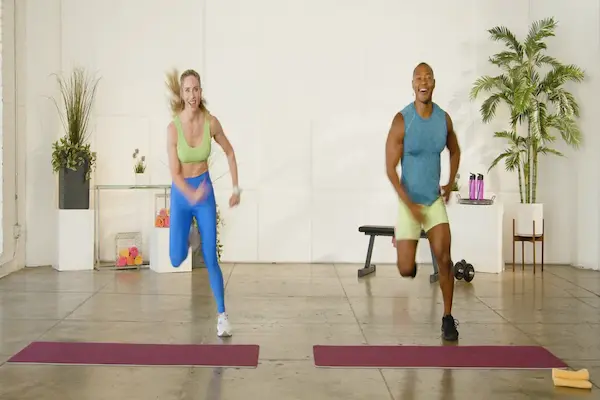
You do not need a big living room, a garage gym, or a perfectly quiet house to get your heart rate up in a smart, beginner-friendly way.
A beginner cardio routine for small spaces can be simple, resourceful, and surprisingly effective, even if you live in a studio, share a room, or only have a narrow strip of clear floor.
Because safety matters more than intensity, this article stays practical and cautious, and it encourages you to stop before pain and consult a qualified health professional if you have existing conditions or concerning symptoms.
Notice: this content is independent and does not have affiliation, sponsorship, or control by any institutions, platforms, brands, or third parties mentioned or implied.
Beginner cardio routine for small spaces: the small-room mindset that makes it work
Small room cardio succeeds when the goal is steady movement, not dramatic choreography, because tiny spaces reward controlled steps and simple patterns you can repeat without thinking.
Limited space exercise also becomes easier when you accept that “moderate” is enough, because consistency grows faster when the workout feels doable on ordinary days.
Even a two-by-two meter patch can be plenty when you choose on-the-spot moves, keep your arms close to your body, and treat furniture like a boundary rather than an obstacle.
When sharing a room, quieter choices often matter as much as fitness choices, because stomping and jumping can create stress that makes you quit.
Progress is still real in tiny space workouts, because heart and lungs adapt to repeated effort whether the movement happens on a track or beside your bed.
Before starting, a quick check-in with your body is wise, because dizziness, chest pressure, sharp pain, or unusual shortness of breath are reasons to stop and seek medical advice rather than pushing forward.
Quick “good enough” goals for beginners who live small
-
- Consistency goal: move for 10 minutes three times per week, because short repeatable sessions build the habit faster than rare long sessions.
-
- Comfort goal: finish feeling energized rather than wrecked, because recovery matters when you are starting out.
-
- Noise goal: keep the workout neighbor-friendly, because quiet workouts are easier to repeat in shared buildings.
- Space goal: stay inside one clear “box,” because stepping outside your safe zone is how toes meet furniture.
Limited space exercise safety: simple rules before you move
This guide is educational and non-medical, so it cannot diagnose or treat any condition, and it should not replace individualized advice from a clinician.
Checking with a health professional is especially important if you have heart or lung disease, uncontrolled blood pressure, balance issues, joint conditions, pregnancy-related concerns, or any medical situation that changes safe exertion.
Sharp pain, faintness, confusion, severe headache, numbness, tingling, or new weakness should trigger stopping immediately, because those signs deserve professional assessment.
Because small spaces increase the risk of bumping objects, slower transitions and tighter movement patterns are safer than big swinging arms or sudden pivots.
Hydration and ventilation still matter indoors, because warm, still air can make the same effort feel harder than it should.
Footwear should be stable, because slippery socks on slick floors are one of the fastest ways to turn exercise into a near-fall.
Stop-now signals you should respect
-
- Chest pressure, faintness, or severe shortness of breath that feels scary or unusual.
-
- Sharp joint pain in the knee, hip, ankle, or foot that changes your walking pattern.
-
- Dizziness, confusion, or nausea that increases as you continue moving.
-
- Numbness, tingling, or weakness, especially if it spreads or worsens.
- Any symptom that worries you, because caution is a smart decision and not an overreaction.
Furniture-proofing your tiny space workouts in 90 seconds
-
- Clear one “movement lane” that is at least one arm’s length wide, because bumping furniture breaks rhythm and increases risk.
-
- Move sharp-edged items away from your turning zone, because corners are unforgiving when you are breathing hard.
-
- Choose one facing direction and keep it, because repeated turning in a small room is how people get dizzy.
-
- Mark the edges of your safe zone with shoes or tape if you want, because visual boundaries reduce accidental drifting.
- Test two steps in every direction, because a quick test reveals hidden obstacles like rugs, cords, or unstable chairs.
Small room cardio pacing: how hard should it feel for a beginner?
A beginner cardio routine for small spaces should feel like controlled effort, because panic breathing and sloppy movement are signs you have gone too hard too soon.
The talk test is a simple guide, because being able to speak in short sentences usually means you are working in a safe, sustainable range.
RPE, or perceived exertion, can also help, because your internal signal matters more than any timer when you are learning your baseline.
Most sessions in the first two weeks should sit in an easy-to-moderate zone, because repeatability is the priority and soreness can ruin momentum.
Short bursts can be added later, because variety becomes enjoyable once the habit feels stable and your joints feel trustworthy.
Talk test guide for beginners
-
- Easy: full sentences are comfortable, breathing is steady, and you could keep going longer if needed.
-
- Moderate: short sentences are possible, breathing is clearly elevated, and effort feels purposeful but not scary.
- Too hard for now: only a few words come out, form gets sloppy, and the workout stops feeling controlled.
Effort scale that matches tiny space workouts
-
- 2–3 out of 10: very easy, ideal for warm-ups, cool-downs, and low-energy days.
-
- 4–5 out of 10: comfortably challenging, ideal for the main portion of most beginner sessions.
- 6 out of 10: optional later for brief intervals, as long as breathing remains controlled and joints feel fine.
Beginner cardio routine for small spaces: your move menu
These on-the-spot moves are designed for limited space exercise, which means they avoid long travel, wide swings, and big jumps unless you choose an optional higher-impact version.
Each move includes a quieter option, because studio living and shared rooms often require neighbor-friendly choices.
Pick moves that feel stable first, because confidence grows when you know you can stop safely at any moment.
Stop before pain every time, because discomfort is information and not a challenge you must defeat.
Move 1: March in place with posture reset
Marching is the simplest small room cardio tool, because it elevates heart rate gently while teaching you to stay upright and relaxed.
-
- How: lift one knee, place the foot softly, then alternate with a steady rhythm while arms swing comfortably at your sides.
-
- Quiet option: keep knees lower and land softly, because heavy steps create noise and increase impact.
- Progression: add a slightly faster rhythm or a higher knee only if balance feels stable.
Move 2: Side steps with “stay in your box” rule
Side stepping trains hips and coordination, while staying safe in a narrow space when you keep the steps small and controlled.
-
- How: step right, bring left foot in, step left, bring right foot in, keeping shoulders down and gaze forward.
-
- Quiet option: avoid dragging feet, because dragging can catch on rugs and create a trip hazard.
- Progression: add a gentle reach to the side at chest height if you have clearance.
Move 3: Step-tap with light arm pumps
Step-taps are beginner-friendly because they feel rhythmic, easy to stop, and easy to make quieter than hopping moves.
-
- How: step to the side and tap the other foot in, then switch directions with a smooth tempo.
-
- Quiet option: keep taps soft and controlled, because noise often comes from rushing.
- Progression: pump arms forward and back at rib height, keeping elbows close to avoid hitting objects.
Move 4: Low-impact “skater” step
This no jump cardio alternative mimics a skating pattern without leaving the floor, which makes it joint-friendlier and quieter in small homes.
-
- How: step diagonally back and to the side, then return to center, alternating sides with small ranges.
-
- Quiet option: reduce the diagonal reach if balance feels wobbly, because stability is the first priority.
- Progression: add a gentle arm sweep across the body only if space allows.
Move 5: Shadow boxing with tight elbows
Shadow boxing raises heart rate quickly in tiny space workouts, because arm work can increase effort without needing big steps.
-
- How: stand tall, keep fists relaxed near the chest, then punch forward gently with alternating arms while shifting weight subtly.
-
- Quiet option: keep feet mostly planted, because the goal is steady movement rather than stomping.
- Progression: add short combinations like jab-jab-cross while keeping the core steady.
Move 6: Sit-to-stand from a sturdy chair
Chair sit-to-stands blend cardio and strength, because large muscles in the legs elevate heart rate when you repeat the movement smoothly.
-
- How: stand up from the chair using control, then sit back down gently, keeping knees comfortable and feet grounded.
-
- Quiet option: tap the chair lightly instead of plopping down, because quiet landings protect joints and neighbors.
- Progression: stand up and add two marching steps in place before sitting again, if space permits.
Move 7: Stair or step platform option, only if safe
Stairs can add challenge in limited space exercise, yet safety matters more than intensity, so a stable step is required.
-
- How: step up with one foot, step up with the other, then step down carefully, alternating lead legs.
-
- Quiet option: keep the pace slow and controlled, because fast stepping raises tripping risk.
- Progression: add a small knee lift at the top only if balance feels steady and the step is stable.
Move 8: Low-impact “fast feet” in place
Fast feet can work in a small room when you stay light, keep steps tiny, and avoid hopping, because the goal is rhythm not impact.
-
- How: take quick tiny steps in place as if jogging without leaving the ground, keeping heels light and posture tall.
-
- Quiet option: reduce speed and keep steps soft, because noise is often a clue that impact is too high.
- Progression: add a short 10–20 second burst only after you feel confident with balance.
Tiny space workouts warm-up: 3 minutes that prevent “cold start” discomfort
A warm-up matters in small room cardio because your first minutes also teach your body the movement pattern, which reduces the chance of clumsy steps near furniture.
Gentle preparation supports joints and breath, because stiff ankles and tight hips often make balance feel worse in small spaces.
Keep the warm-up easy, because the job is to arrive, not to exhaust yourself before the workout begins.
3-minute warm-up sequence
-
- Breathing reset for 3 slow breaths with shoulders down, because calm breathing reduces bracing and anxiety.
-
- March in place for 60 seconds with soft landings, because marching wakes up hips and ankles gently.
-
- Side steps for 60 seconds with small ranges, because lateral movement warms legs without needing travel.
-
- Arm circles at chest height for 30 seconds, because shoulder mobility can improve posture while you move.
- Slow step-taps for 30 seconds, because rhythm practice helps you stay inside your safe zone.
Beginner cardio routine for small spaces: three complete workouts
These sessions are designed to fit tiny space workouts, so they use on-the-spot moves, simple timing, and predictable patterns that reduce the chance of bumping furniture.
Each routine includes a quiet version option, because shared rooms and upstairs apartments often require low-noise solutions.
Stop before pain and consult a professional for injury-specific concerns, because general advice cannot replace individualized care.
Workout A: 10-minute “steady and calm” small room cardio
This option is ideal on low-energy days, because it builds consistency without requiring high intensity or complicated steps.
-
- Warm-up: 3 minutes using the warm-up sequence above.
-
- Main block: 5 minutes alternating 30 seconds march in place and 30 seconds side steps, because simple alternation keeps it easy to follow.
- Finish: 2 minutes of step-tap with gentle arm pumps, because arm work adds effort without adding space demands.
-
- Quiet version: keep knees low and land softly, because impact is the main source of noise.
-
- Effort target: 3–4 out of 10, because the goal is repeatable daily movement.
- Space cue: face one direction the whole time, because turning in tight spaces increases risk.
Workout B: 12-minute “moderate and motivating” beginner routine
This version aims for a moderate heart rate rise, because many beginners want to feel the workout without feeling destroyed afterward.
-
- Warm-up: 3 minutes.
-
- Circuit: repeat the following 3 moves for 2 rounds, using 40 seconds work and 20 seconds easy marching.
-
- Move 1: step-tap with arm pumps at rib height.
-
- Move 2: shadow boxing with tight elbows and small weight shifts.
-
- Move 3: low-impact skater step with reduced diagonal range.
- Cool-down: 2 minutes slow march and gentle breathing.
-
- Quiet version: remove the skater diagonal and do side steps instead, because simpler footwork can reduce noise and wobble.
-
- Effort target: 4–5 out of 10, because you should still be able to speak in short sentences.
- Safety cue: keep fists relaxed and shoulders down, because neck tension makes indoor cardio feel harder.
Workout C: 15-minute “tiny space intervals” simple belt routine alternative
This interval style is effective in limited space exercise because short bursts raise heart rate while built-in easy minutes keep you in control.
-
- Warm-up: 3 minutes.
-
- Interval block: 8 minutes using 20 seconds “faster” and 40 seconds “easy,” repeating 8 times.
-
- Faster options: fast feet in place, shadow boxing with quicker hands, or quicker step-taps.
-
- Easy option: slow marching in place with long exhales.
-
- Strength-cardio finisher: 2 minutes of sit-to-stand at a steady pace, because large leg muscles elevate heart rate without needing travel.
- Cool-down: 2 minutes of slow stepping and breathing.
-
- Quiet version: choose shadow boxing for the faster intervals, because it raises effort with less foot impact.
-
- Effort target: faster intervals at about 5–6 out of 10, because brief challenge is fine when recovery is longer.
- Space cue: keep steps tiny, because wide steps increase the chance of hitting furniture.
Small room cardio cool-down: 4 minutes that helps you settle
Cooling down is helpful because it guides breathing back toward normal, which can reduce dizziness and support a calmer post-workout feeling.
Gentle movement after effort can also reduce stiffness, especially if you have been seated most of the day.
A cool-down should feel soothing, because the workout is finished and your nervous system deserves a clear “we are safe now” signal.
4-minute cool-down sequence
-
- Slow march for 90 seconds, because gradual reduction in intensity is kinder than a sudden stop.
-
- Side steps for 60 seconds at a very easy pace, because light lateral movement relaxes hips gently.
-
- Shoulder rolls for 30 seconds, because shoulders often tense during cardio without you noticing.
- Breathing reset for 60 seconds with a longer exhale than inhale, because longer exhales often feel calming.
How to avoid hitting furniture while still getting a moderate heart rate
Space management is the secret skill in tiny space workouts, because a safe layout allows you to focus on effort insteadi8 g without constantly worrying about bumping something.
Arm placement matters, because wide swinging arms are the most common reason people hit lamps, walls, and shelves in small rooms.
Foot placement matters too, because drifting backward happens when you get tired and stop paying attention to where you started.
Turning is optional, because most cardio benefits come from steady movement rather than from spinning around in a tight zone.
Practical “small-space form” cues
-
- Keep elbows slightly bent and close to ribs, because compact arms reduce collision risk.
-
- Face one direction, because repeated pivots can cause dizziness and accidental stepping outside your safe zone.
-
- Use smaller steps than you think you need, because heart rate rises from rhythm and duration, not from huge travel.
-
- Land softly and quietly, because noise often indicates excessive impact and less control.
- Pause and reset your position if you drift, because two seconds of reset prevents a collision.
Room-scan checklist for shared spaces
-
- Check ceiling fans and hanging lights, because raised arms can reach farther than you expect.
-
- Identify the nearest sharp corner, because awareness helps you instinctively stay away from it.
-
- Secure loose rugs or cords, because tripping hazards are more dangerous in confined areas.
-
- Tell roommates your plan if needed, because surprise door openings can be a real hazard.
- Choose low-noise moves when others are sleeping, because social friction kills routines faster than fatigue.
Tiny space workouts that stay quiet: neighbor-friendly cardio choices
Noise is often the hidden barrier in small room cardio, because people stop exercising when they feel guilty about disturbing others.
Low-impact steps and controlled landings solve most noise problems, because jumping and stomping are the loudest actions in small apartments.
Arm-driven cardio can be your best friend, because punching patterns raise effort without pounding the floor.
Soft surfaces can help too, because a stable mat or rug can reduce sound, as long as it does not create slip risk.
Quiet move combinations that still feel like cardio
-
- Shadow boxing plus marching, because arms add effort while feet stay light.
-
- Step-tap plus arm pumps, because rhythm increases heart rate without impact.
-
- Side steps plus torso turns, because gentle rotation adds challenge without travel.
- Sit-to-stand plus slow march, because large muscles work without jumping.
Noise-reduction tips that do not reduce results
-
- Land through the whole foot softly, because heel slams create the loudest impact.
-
- Choose shorter faster steps instead of big steps, because big steps often lead to stomping.
-
- Keep music low and use headphones if appropriate, because sound complaints can end the habit quickly.
-
- Pick daytime windows when possible, because working with your environment increases consistency.
- Switch to arm-focused intervals on quiet hours, because you can still train without floor pounding.
Beginner cardio routine for small spaces: a 2–4 week progression
Progression should feel gentle, because your joints, feet, and tendons adapt over time, and early soreness can make beginners quit.
Time usually increases more safely than intensity, because longer easy sessions build fitness with less strain than sudden fast intervals.
Repeating a week is allowed, because repeating is how routines become stable when life is stressful.
Medical concerns should be discussed with a professional, because your safest pace and frequency may be different from generic guidance.
Week 1: learn the moves and protect consistency
-
- Frequency: 3 sessions, because three sessions build rhythm without overwhelming you.
-
- Duration: 10 minutes each, because short sessions reduce resistance.
- Plan: Workout A, because steady and calm sessions teach control in tight spaces.
Week 2: add minutes, keep it comfortable
-
- Frequency: 3–4 sessions, because one extra session can build momentum if recovery feels good.
-
- Duration: 12 minutes, because small increases are easier to maintain.
- Plan: Workout B once, Workout A the other days, because variety helps without adding complexity.
Week 3: introduce intervals carefully
-
- Frequency: 4 sessions if realistic, because consistency often drives progress more than intensity.
-
- Duration: 12–15 minutes, because adding time gradually protects joints.
- Plan: Workout C once, Workout B once, Workout A twice, because one interval day is enough for beginners.
Week 4: stabilize and choose what you actually enjoy
-
- Frequency: 4 sessions, because a stable schedule is the goal.
-
- Duration: 15 minutes, because longer sessions should still feel controlled.
- Plan: repeat your favorite workout twice, because enjoyment is a consistency tool.
Duration suggestions: how long should a beginner go in a tiny space?
Short sessions are valid, because a beginner who works out for 8 minutes consistently will improve more than a beginner who plans 30 minutes and never starts.
Most people find that 10–15 minutes is the sweet spot for small room cardio, because it raises heart rate without turning the session into a sweaty logistical problem.
Longer sessions can work once you have a system, because ventilation, hydration, and boredom management become more important as time increases.
Splitting sessions is also effective, because two 8-minute sessions can feel easier than one 16-minute session in a shared living space.
Simple time options you can pick today
-
- 8 minutes: warm-up 2, work 4, cool-down 2, because minimum sessions protect the habit.
-
- 12 minutes: warm-up 3, work 7, cool-down 2, because moderate sessions feel like “real exercise” without overwhelm.
-
- 15 minutes: warm-up 3, work 10, cool-down 2, because a longer main block builds endurance gradually.
- Two-part day: 8 minutes morning and 8 minutes evening, because split sessions reduce friction and still add up.
Troubleshooting: common tiny-space cardio problems and simple fixes
Obstacles are normal, because limited space exercise includes practical issues like noise, clutter, low energy, and awkwardness around roommates.
Solutions work best when they reduce friction, because low friction keeps you moving even when motivation disappears.
Adjustments should stay small, because small changes are easier to keep than big reinventions.
If you feel cramped or keep bumping things
-
- Reduce arm range and keep elbows closer, because compact arms prevent collisions.
-
- Choose on-the-spot moves like marching and boxing, because travel steps increase drift.
-
- Mark your safe zone on the floor, because a visual boundary prevents unconscious drifting.
- Turn off the “spin” moves, because rotating in tight spaces increases risk.
If you feel bored quickly
-
- Use short intervals, because variety makes minutes pass faster without needing extra space.
-
- Rotate three moves only, because too many options can feel like decision fatigue.
-
- Track minutes instead of steps, because time goals can feel simpler indoors.
- Pair the workout with a favorite playlist or podcast if appropriate, because enjoyment improves repeatability.
If your downstairs neighbors complain
-
- Switch to no jump cardio options immediately, because impact is the most common complaint driver.
-
- Emphasize shadow boxing and marching, because arms can raise effort with minimal foot noise.
-
- Use a stable mat if it does not slip, because reduced vibration can help while still keeping you safe.
- Schedule sessions during daytime windows when possible, because timing can solve what technique cannot.
If your knees or ankles feel irritated
-
- Reduce speed first, because slower movement often lowers joint stress.
-
- Remove stairs and deep bends, because those options increase joint demand.
-
- Choose softer steps and smaller ranges, because controlled motion is kinder than aggressive motion.
- Consult a health professional for persistent or sharp pain, because ongoing joint symptoms deserve assessment.
Tracking progress without obsessing in a small space
Tracking should support you, because data is helpful only when it increases motivation and reduces confusion.
Obsessing is unhelpful, because guilt often leads to quitting, especially when you miss a day due to roommates, travel, or work demands.
Simple metrics usually work best, because complicated tracking adds friction to an already small-space lifestyle.
Beginner-friendly progress markers
-
- Sessions per week, because showing up is the foundation.
-
- Total minutes per week, because time reflects volume without requiring devices.
-
- How breathing feels during a familiar circuit, because easier breathing is a meaningful fitness improvement.
-
- How steady your balance feels, because stability is real progress in tiny space workouts.
- How often you choose to continue after the minimum, because that signals growing confidence.
A calm weekly review that takes five minutes
-
- Count how many sessions you completed, because evidence reduces the “I never do it” story.
-
- Notice which time of day worked best, because time-of-day fit is a major consistency lever.
-
- Identify one friction point, because one small fix can unlock the whole routine.
- Choose one gentle adjustment, because tiny improvements are easier to keep than big changes.
FAQ: beginner cardio routine for small spaces
Can small room cardio really improve fitness?
Consistent moderate effort improves cardiovascular fitness over time, and your heart does not require a large room to respond to steady training.
Do I need to jump to get results?
No jump cardio can still be effective because speed, arm drive, and repeated movement can raise heart rate without high impact.
How many days per week should a beginner train in a tiny space?
Three days per week is a strong start, while four days can work well if recovery feels good and sessions remain gentle.
What if I get embarrassed because someone is in the room?
Choosing quieter, simpler moves like marching and shadow boxing can feel less awkward, and short sessions often reduce self-consciousness.
When should I talk to a health professional?
Professional guidance is wise if you have existing conditions, persistent pain, dizziness, unusual symptoms, or uncertainty about safe exertion.
Printable checklist: tiny space workouts that stay safe and effective
-
- Clear a small safe zone and remove trip hazards, because safety comes before intensity.
-
- Warm up for three minutes, because cold starts feel clumsy in small rooms.
-
- Choose compact moves like marching, step-taps, and shadow boxing, because they fit limited space exercise best.
-
- Use the talk test to set pace, because controlled breathing signals sustainable effort.
-
- Stay quiet with soft landings and no jump options, because noise can end the habit in shared housing.
-
- Cool down and breathe out slowly, because a calm finish supports recovery.
-
- Track minutes and consistency, because trends matter more than perfection.
- Stop before pain and seek professional advice when needed, because safety is the foundation of progress.
Closing: small space, real cardio, steady progress
Resourceful movement is still movement, and a beginner cardio routine for small spaces can be enough to build fitness when it is gentle, consistent, and designed around the realities of your room.
With compact moves, simple timing, furniture-safe boundaries, and permission to keep it quiet and modest, tiny space workouts can become the easiest cardio routine you actually keep.