
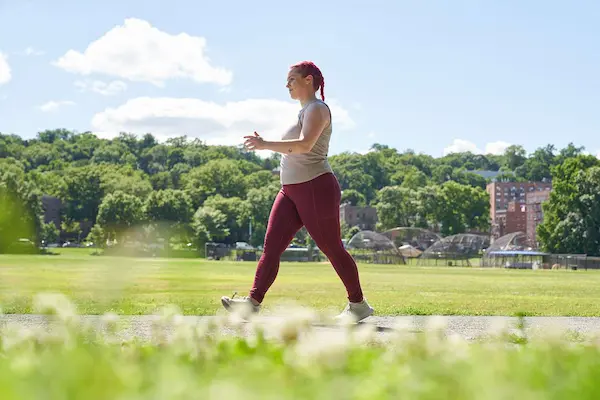
You do not need fancy equipment or a perfect body to begin moving, because a beginner walking plan for fitness can start with the same step you take to get the mail.
Tonight or tomorrow can be your “day one,” and the plan below keeps things gentle, gradual, and realistic for a sedentary adult who wants the most approachable exercise.
Nothing here is medical advice, so checking with a health professional is the safest choice if you have existing conditions, concerning symptoms, or a history that makes you unsure.
Comfort comes first in this start walking routine, which means stopping before pain, slowing down when needed, and choosing consistency over intensity.
Beginner walking plan for fitness: the safety-first mindset
Starting safely is not about fear, because it is about giving your body a clear signal that movement can feel supportive rather than punishing.
A gentle approach works especially well for walking for beginners, since small sessions repeated often tend to build confidence faster than one big push that leaves you sore and discouraged.
Existing health conditions deserve respect, so a quick conversation with a clinician is wise if you have heart or lung disease, uncontrolled blood pressure, diabetes concerns, severe joint issues, recent surgery, dizziness, or anything that makes exertion feel risky.
New, sharp, or worsening pain also deserves professional assessment, because persistent symptoms should not be “tested” through guesswork.
Walking should feel steady and doable, which means you aim for mild effort where breathing is active but not panicked, and where you could stop at any time without feeling trapped by the pace.
Gentle progress is still progress, and the biggest win in the first weeks is the habit, not the speed.
Clear “stop now” signals during walking
-
- Stop if you feel chest pressure, faintness, severe shortness of breath, or a sudden feeling that something is seriously wrong.
-
- Stop if sharp pain appears in the hip, knee, ankle, or foot, because walking through sharp pain can worsen an issue that needs evaluation.
-
- Stop if numbness, tingling, unusual weakness, or pain that radiates becomes noticeable, because nerve-related symptoms deserve professional attention.
- Stop if your gait changes because of pain, because limping tends to shift stress into other joints.
Gentle rules that keep this plan beginner-friendly
-
- Choose a pace that allows conversation, because the “talk test” is a simple safety filter for new exercisers.
-
- Increase time before you increase speed, because duration builds fitness with less joint stress than aggressive pacing.
-
- Use supportive shoes that feel stable, because discomfort in the feet often turns into tension up the chain.
-
- Pick flat, predictable routes first, because uneven terrain can demand balance and ankle strength you may still be building.
- Give yourself permission to repeat an easier week, because repeating is often smarter than forcing progress when life is stressful.
Walking for beginners: what “good effort” feels like
Effort does not need to be complicated, because your body gives useful feedback if you know what to listen for while you walk.
A beginner usually benefits most from an “easy to moderate” level where breathing increases but you still feel in control, especially if you are coming from a mostly sedentary routine.
Using simple effort cues reduces overthinking, and less overthinking makes you more likely to show up consistently.
The aim is to finish a walk feeling better than you started, with a pleasant sense of warmth rather than exhaustion or dread.
The talk test pace guide
-
- Easy pace: you can speak in full sentences, breathing feels steady, and you could continue longer if you needed to.
-
- Moderate pace: you can still talk, yet you prefer shorter phrases, and your breathing feels clearly elevated but controlled.
- Brisk pace: you can say only a few words at a time, and this level is optional later, not required in week one.
A simple 1–10 effort scale, if you like numbers
-
- 2–3 out of 10 feels very easy, which is perfect for the first week or for days when joints feel sensitive.
-
- 4–5 out of 10 feels comfortably challenging, which is a realistic target for most sessions in this beginner walking plan for fitness.
- 6 out of 10 can be used briefly in later weeks, yet it should never feel like you are gasping, dizzy, or forcing through discomfort.
How to choose your starting point in one minute
-
- Walk at an easy pace for five minutes, then notice how your breathing and joints feel.
-
- Continue for another five minutes only if the body feels stable and your breathing stays comfortable.
-
- Stop at the first sign that form is getting sloppy, because early success builds confidence more than “pushing through.”
- Use whatever time you completed comfortably as your starting session length, because your real baseline matters more than a generic number.
Start walking routine basics: warm-up and cool-down that protect joints
Warm-ups and cool-downs are not extras, because they help your body transition into motion and back out again with less stiffness afterward.
A short warm-up also gives you a chance to notice pain early, which allows you to stop before you turn a minor problem into a bigger one.
Cooling down matters because your breathing and heart rate come down gradually, and gradual shifts often feel better for beginners who are still learning what effort feels like.
Gentle finishing steps also reduce that “tight later” sensation that can make new walkers quit.
2-minute warm-up (do this before every walk)
-
- Stand tall and take three slow breaths, letting shoulders drop away from ears while your feet feel grounded.
-
- March in place for 30 seconds, lifting feet only as high as feels comfortable.
-
- Do 10 slow ankle circles per side while holding a wall lightly, because ankles often determine how smooth walking feels.
- Take 30 seconds of easy walking before you settle into your planned pace.
2-minute cool-down (do this after every walk)
-
- Slow your pace to very easy for 60–90 seconds, letting your breathing settle without stopping suddenly.
-
- Stand still and inhale gently, then exhale longer than you inhaled for three breaths, because longer exhales can reduce stress tension.
- Stretch calves lightly at a wall for one breath per side only if it feels good, because gentle is the rule and pain is the stop sign.
Simple walking schedule: choose your 2–4 week plan
Some people want the shortest plan that still works, while others enjoy a full month of structure, so this section gives you options without making you feel locked in.
A 2-week plan builds the habit quickly, a 3-week plan stabilizes it, and a 4-week plan gives you more gradual time increases that feel kind to joints.
Each week includes rest or lighter days, because recovery is part of fitness, not the opposite of it.
Time increases are intentionally small, because the goal is to build consistency without triggering soreness that makes you skip the next walk.
Before you pick a plan, check these boxes
-
- Choose a walking window that is realistic, because consistency depends more on schedule fit than motivation.
-
- Select a safe route with predictable footing, because anxious walking is tense walking.
-
- Decide your “minimum walk,” because a tiny session protects the habit on low-energy days.
- Commit to stopping before pain, because discomfort is information, not a challenge to defeat.
Your “minimum walk” rules for real life
-
- Minimum walk option A: five minutes at an easy pace, because five minutes keeps the identity of “I walk” alive.
-
- Minimum walk option B: two minutes out, two minutes back, because short loops reduce the mental barrier to starting.
- Minimum walk option C: walk during a phone call inside or outside, because stacking habits increases follow-through.
Beginner walking plan for fitness: the 2-week starter schedule
This 2-week starter schedule is for someone who wants gentle structure without feeling overwhelmed, which is often the best match for a sedentary adult testing consistency.
Walking sessions stay short, yet frequent enough to build momentum, and every day includes a clear pace target so you do not guess.
Week 1: establish the habit with easy effort
-
- Pace goal: easy pace for most of the walk, because comfort builds confidence.
-
- Time goal: 8–12 minutes per walking day, depending on your baseline test.
- Frequency goal: 4 walking days, because four touches per week builds rhythm without feeling relentless.
-
- Day 1: 8–12 minutes easy, including warm-up and cool-down pacing.
-
- Day 2: Rest or 5 minutes very easy, because recovery and confidence matter.
-
- Day 3: 8–12 minutes easy, focusing on relaxed shoulders and steady breathing.
-
- Day 4: Rest or gentle mobility at home, because variety can reduce stiffness.
-
- Day 5: 8–12 minutes easy, finishing with a slow final minute.
-
- Day 6: Optional 5–10 minutes easy if energy is good, because optional days should feel like a bonus.
- Day 7: Rest, because the body adapts during recovery.
Week 2: add a little time, keep the effort calm
-
- Pace goal: easy to moderate, using the talk test to stay safe.
-
- Time goal: add 2–5 minutes to two of your walks, keeping the others the same.
- Frequency goal: 4–5 walking days, depending on how your joints feel.
-
- Day 1: 10–15 minutes easy.
-
- Day 2: Rest or 5 minutes very easy.
-
- Day 3: 10–15 minutes easy to moderate, with the middle portion slightly quicker if it stays comfortable.
-
- Day 4: Rest, or gentle stretching if you enjoy it.
-
- Day 5: 10–15 minutes easy.
-
- Day 6: Optional 10 minutes easy, or repeat Day 2 if you feel stiff.
- Day 7: Rest and a short walk around the house if you feel tight, because light movement can ease stiffness.
Simple walking schedule: the 3-week steady plan
This 3-week option works well if two weeks feels too short, yet four weeks feels too long, because it keeps progress modest while still moving you forward.
Time increases are gradual, and the plan introduces a tiny taste of “brisk” effort in a safe way without turning the walk into a workout you dread.
Week 3: extend the middle of the walk, then recover well
-
- Pace goal: mostly easy, with short moderate segments if breathing stays controlled.
-
- Time goal: one longer walk, two medium walks, and one shorter recovery walk.
- Frequency goal: 4–5 days, because consistency matters more than squeezing in daily sessions.
-
- Day 1: 12–18 minutes easy, staying relaxed through shoulders and hands.
-
- Day 2: Rest or 8 minutes very easy if your back feels stiff from sitting.
-
- Day 3: 12–18 minutes with 2 minutes moderate in the middle, because controlled variety builds fitness gently.
-
- Day 4: Rest, emphasizing sleep and hydration if possible.
-
- Day 5: 15–20 minutes easy, because a single “longer” day teaches endurance without speed pressure.
-
- Day 6: 10–12 minutes easy recovery walk, because recovery walking still counts.
- Day 7: Rest, or a short relaxed stroll if your body feels better with movement.
Beginner walking plan for fitness: the full 4-week build
This 4-week plan is the most gradual option, which makes it a strong choice if you have been sedentary for a long time or if you are cautious about joints.
Progress comes from adding minutes slowly, practicing steady form, and repeating easy sessions often enough that walking starts to feel like a normal part of your week.
Week 1 and Week 2: use the 2-week starter schedule above
Week 1 and Week 2 are already designed to establish the habit with minimal risk, so you can follow those weeks exactly as written and feel confident you are building a solid base.
Repeating Week 1 before moving to Week 2 is completely acceptable, especially if soreness or life stress makes consistency harder than expected.
Week 3: build time with one longer walk and gentle pacing
-
- Pace goal: easy to moderate, while keeping full sentences possible most of the time.
-
- Time goal: increase one walk by 5 minutes, keep the others steady.
- Recovery goal: keep at least two non-walking days or very easy days.
-
- Day 1: 15–20 minutes easy.
-
- Day 2: Rest or 8 minutes very easy.
-
- Day 3: 15–20 minutes with a 3-minute moderate segment in the middle, because controlled pacing teaches your body without overwhelming it.
-
- Day 4: Rest, prioritizing gentle movement around the house if you feel stiff.
-
- Day 5: 20–25 minutes easy, focusing on smooth steps and relaxed arms.
-
- Day 6: 10–15 minutes easy recovery walk, because recovery supports consistency.
- Day 7: Rest and reflect briefly on what time of day felt easiest for you to walk.
Week 4: gently increase total weekly minutes, then celebrate consistency
-
- Pace goal: mostly easy, adding short moderate segments only if joints feel good.
-
- Time goal: add 2–5 minutes to two walks, keeping the longest day steady.
- Confidence goal: finish the month feeling capable, not crushed.
-
- Day 1: 18–22 minutes easy.
-
- Day 2: Rest or 10 minutes very easy, keeping the effort intentionally light.
-
- Day 3: 18–22 minutes with 2 x 2-minute moderate segments separated by easy walking, because small intervals can feel energizing without feeling scary.
-
- Day 4: Rest, or a gentle stroll after meals if blood sugar management is a personal goal discussed with your clinician.
-
- Day 5: 20–25 minutes easy, repeating the same comfortable route if that reduces mental effort.
-
- Day 6: 12–15 minutes easy recovery walk, because recovery days keep joints happier.
- Day 7: Rest, then choose a “next month” target that feels kind, such as maintaining four walks per week.
Start walking routine: posture and form cues that reduce soreness
Good walking form does not require perfection, because simple cues are enough to reduce the most common beginner discomforts like shin tightness, low-back stiffness, and neck tension.
Comfortable, efficient form also helps you keep walking long enough to build fitness without needing to grit your teeth.
Easy form checklist for walking for beginners
-
- Keep your gaze forward rather than down at your feet, because a forward gaze reduces neck tension and helps balance.
-
- Let shoulders stay low and relaxed, because shrugged shoulders can turn a walk into an upper-body stress hold.
-
- Allow arms to swing naturally at your sides, because stiff arms often signal overall bracing.
-
- Land softly and avoid overstriding, because huge steps can increase joint load and shin discomfort.
- Maintain an upright but relaxed posture, because tall posture makes breathing easier while staying gentle on the back.
Common beginner aches and what to try first
-
- If shins feel sore, shorten stride slightly and slow down, because overstriding often stresses the lower leg.
-
- If knees feel cranky, reduce hills and keep walks shorter for a week, because flat surfaces are often kinder while you adapt.
-
- If low back tightness appears, add a slower warm-up and keep your core gently engaged without tensing, because abrupt starts can feel jarring.
-
- If feet hurt, consider different shoes and softer surfaces, because foot discomfort quickly changes your gait and can irritate other joints.
- If pain is sharp or worsening, stop and consult a health professional, because persistent pain deserves evaluation.
Simple walking schedule upgrades: pace progression without pressure
Speed is optional, and fitness improves even when walks stay easy, yet gentle pacing changes can make walking feel more engaging once the habit feels stable.
A safe approach is to add short “moderate” moments inside an easy walk, because your body experiences variety without needing a full-time brisk pace.
Three beginner-friendly ways to add pace gradually
-
- Add “mailbox intervals,” where you walk a little quicker to the next landmark, then return to easy pace, because landmarks remove the need for timing.
-
- Add “breath intervals,” where you walk moderately for 6–10 slow breaths, then walk easy for 10–14 breaths, because breathing keeps effort honest.
- Add “minute-on, minute-easy” once per week, because short, structured variety can build confidence without overwhelming joints.
Rules that keep pace changes safe
-
- Keep the majority of minutes easy, because easy minutes are what make walking sustainable.
-
- Reduce pace immediately if form breaks down, because speed should never force limping or heavy stomping.
- Skip intervals on sore days, because recovery days protect the habit long term.
How often to walk, and how to handle missed days
Frequency should match your real life, because a plan that fits your schedule becomes a routine, while a plan that fights your schedule becomes guilt.
Four days per week is a sweet spot for many beginners, since it creates repetition without making rest feel impossible.
Missed days happen, and they do not mean you failed, because consistency is measured across weeks, not across perfect calendars.
Returning after a break works best when you resume at an easier level for a few sessions, because jumping back into the hardest week can trigger soreness and stop the momentum again.
When life interrupts, use these restart rules
-
- If you missed 1–3 days, resume where you left off, because short gaps rarely require a reset.
-
- If you missed 4–7 days, repeat your last successful week, because repetition rebuilds confidence quickly.
-
- If you missed more than a week, drop back one week in time, because a gentle re-entry reduces soreness risk.
- If illness or injury was involved, consult a health professional before resuming, because safety is more important than timelines.
Make it easier: habit tricks for sedentary beginners
Motivation rises and falls, yet routines stay, so the goal is to make walking feel so easy to start that you do not need a heroic mindset.
Small environment cues can reduce friction, which is why practical planning often beats willpower.
Low-friction habit builders that support a start walking routine
-
- Place shoes by the door, because visual cues reduce decision fatigue.
-
- Choose the same starting time for the first two weeks, because repetition trains your brain to expect the walk.
-
- Use a “tiny start,” like stepping outside for one minute, because tiny starts often turn into full walks once you begin.
-
- Walk the same short loop initially, because familiarity reduces mental load.
- Track walks with a simple checkmark calendar, because visible streaks can feel satisfying without being obsessive.
Practical rewards that do not sabotage your energy
-
- Enjoy a relaxing shower or a favorite tea after walking, because pairing comfort with the habit increases repeatability.
-
- Choose a podcast or music playlist reserved for walks, because anticipation makes starting easier.
- Celebrate consistency milestones, like “eight walks completed,” because progress is often built from repetition, not intensity.
Weather, surfaces, and indoor options that keep the plan consistent
Weather is not a moral test, because safety matters more than stubbornness, and extreme heat, storms, or icy sidewalks are reasonable reasons to adjust.
Indoor walking options keep your simple walking schedule alive when conditions outside are risky or uncomfortable.
Safer outdoor walking choices
-
- Choose shaded routes in warm weather, because heat can increase strain, especially for new exercisers.
-
- Prefer well-lit, even sidewalks in low light, because confidence reduces tension and improves form.
- Select softer surfaces like tracks or packed dirt when joints feel sensitive, because impact can feel lower than concrete.
Beginner-friendly indoor alternatives
-
- Walk laps in your home for 5–15 minutes, because indoor steps still build the habit.
-
- Use a hallway or stairs carefully and slowly, because stability matters more than intensity.
- Walk in place during commercials or between tasks, because micro-walks add up and reduce sedentary time.
When to check with a health professional, and why that is empowering
Getting medical guidance is not a sign that you are fragile, because it is a way to remove uncertainty and build confidence in what is safe for your body.
Existing conditions can change pacing, recovery needs, and warning signs, so personalized advice can turn a vague plan into a plan you trust.
Situations where professional guidance is especially wise
-
- Heart, lung, or circulation conditions, because exertion guidelines can be specific.
-
- Balance issues, frequent falls, or significant dizziness, because walking plans may need added safety measures.
-
- Joint replacements, severe arthritis, or chronic pain diagnoses, because certain surfaces and progressions may be better than others.
-
- Uncontrolled metabolic conditions or medication changes, because exercise can interact with energy levels and symptoms.
- Any persistent, sharp, or worsening pain, because pain deserves assessment rather than guessing.
FAQ: beginner walking plan for fitness
How soon will walking feel easier?
Many beginners notice small improvements within two weeks, yet bigger changes often show up after several consistent weeks, especially when time increases stay gradual.
Should I walk every day to get fit faster?
Daily walking can be fine at easy intensity, although rest days often help beginners avoid soreness and keep motivation steady.
Does pace matter more than time?
Time usually matters more at first, because building duration creates fitness with less risk than pushing speed when joints and tendons are still adapting.
What if I only have ten minutes?
Ten minutes is enough to build the habit, and short consistent walks often beat long inconsistent walks for walking for beginners.
What if I feel pain after walking?
Mild muscle soreness can be normal, while sharp, persistent, or worsening pain should lead you to slow down, adjust, and consult a health professional.
Notice about independence and third parties
Notice: this content is independent and does not have affiliation, sponsorship, or control by any institutions, platforms, or third parties mentioned or implied.
Printable recap: simple walking schedule in one glance
-
- Pick the 2-week starter if you want the simplest structure, then extend to Week 3 and Week 4 if your body feels good.
-
- Warm up for two minutes, walk mostly easy, then cool down for two minutes, because transitions reduce stiffness.
-
- Use the talk test, because safe effort feels controlled and conversational.
-
- Add minutes gradually, because time builds fitness with less joint stress than speed.
-
- Repeat easier weeks when needed, because repeating is progress when it protects consistency.
- Check with a health professional if you have conditions or concerning symptoms, because individualized guidance is the safest foundation.
Closing: build the habit first, then let fitness follow
Consistency is the real engine of this beginner walking plan for fitness, because showing up gently teaches your body and your mind that movement is safe and doable.
With small time increases, a calm pace guide, and permission to adapt when life gets messy, walking can become the simplest exercise you actually keep.