
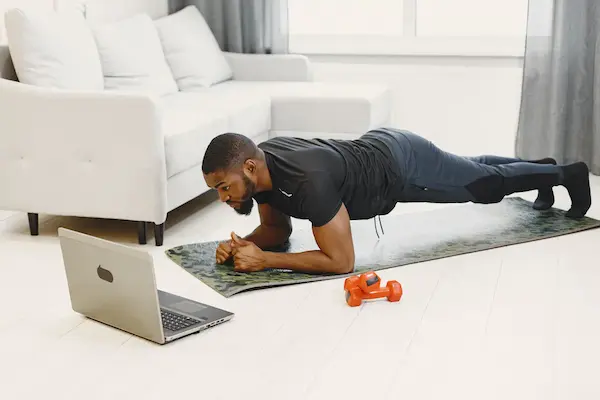
Busy days can make exercise feel like one more demand in a schedule that is already full, yet a simple plan that removes friction can make movement feel possible again.
Your body does not need perfect timing, perfect motivation, or perfect consistency to benefit, because small sessions done often create a surprisingly strong “I’m back” feeling.
Easy Home Workout for Busy People: The No-Fuss Mindset That Actually Works
Realistic routines succeed when they match the life you have now rather than the life you wish you had, which is why this guide is built for adults balancing work, family, errands, and a brain that is tired of complicated plans.
Consistency matters more than perfection because the body adapts to repeated signals, and repeated signals are easier to deliver when the workout is short, clear, and flexible enough to survive chaotic weeks.
Progress feels better when you stop treating missed days like failure and start treating them like normal schedule noise, since the long game is simply to keep returning to the routine without drama.
Quick home fitness becomes sustainable when it feels like plugging in a charger rather than launching a full production, so everything you see here is designed to be set up in minutes and finished without lingering fatigue.
What This Article Will Deliver in Plain Language
- A plug-and-play no fuss workout you can run without equipment, without a big space, and without extra planning.
- Two main time options, including a 10-minute and a 20-minute version, so you can match effort to your day instead of forcing a single “perfect” duration.
- A simple circuit exercise list with clear order, pacing guidance, and easy modifications for joints, energy, and confidence.
- Time saving routine ideas for picking days, staying consistent through busy seasons, and progressing without adding more minutes.
- Supportive reminders to rest more when breathing feels too hard, plus safety notes and doctor reminders if health status changed or injuries exist.
Why “Simple” Is Not “Easy” When Life Is Busy
Simplicity can be challenging at first because your brain may look for the “best plan” as a way to feel in control, yet the most effective plan is usually the one you actually repeat when the day gets messy.
Structure is helpful because it reduces decision fatigue, and reduced decision fatigue is often the missing ingredient for busy adults who are already making a thousand small choices every day.
Flexibility becomes the secret weapon because it lets you keep a promise to yourself even when time shrinks, and that reliability is what builds momentum and self-trust.
Quick Home Fitness: The Three Rules That Keep You Consistent
Fast routines work when they are built around repeatable effort rather than heroic intensity, because heroic intensity is expensive in recovery and busy schedules rarely offer generous recovery.
Results show up when you practice a handful of movements often, because repeated practice improves technique, confidence, and efficiency even before muscles and stamina visibly change.
Energy often improves after consistency becomes normal, which is why you do not need to “feel ready” to start and you do not need to “earn” the right to begin.
Rule 1: Start Smaller Than Your Ego Prefers
Starting easier than you think you need protects your joints and your motivation at the same time, because finishing a session feeling capable makes it more likely you will return tomorrow.
- A calmer pace is allowed, because breathing that feels out of control is a cue to downshift.
- Shorter sessions are allowed, because showing up reinforces identity and identity drives long-term habits.
- Extra rest is allowed, because recovery keeps technique clean and reduces soreness that can derail your week.
Rule 2: Make It Obvious and Convenient
Convenience matters because a workout that requires too many steps becomes a workout you postpone, and postponed workouts tend to evaporate under real-life pressure.
- Pick a small “workout zone” in your home, because a consistent spot reduces setup time.
- Keep a timer ready on your phone, because pre-made structure prevents mid-session negotiating.
- Choose clothing that is easy to move in, because changing outfits can become an unnecessary obstacle.
- Use a chair or wall for support when needed, because safe movement beats perfect movement.
Rule 3: Let Perfect Be the Enemy of Nothing
Nothing is not neutral because doing nothing repeatedly is a pattern too, so your goal is simply to do a little more often and forgive imperfect weeks quickly.
- Two sessions per week can still matter, because two sessions repeated for months becomes real transformation.
- Five minutes can still matter, because five minutes maintains the habit loop when motivation is low.
- A “bad” session can still matter, because showing up teaches resilience better than waiting for ideal conditions.
Easy Home Workout for Busy People: Choose Your Time Option First
Time is the real constraint for most busy adults, so this plan starts with duration rather than with complicated programming, because you can always make a simple circuit harder later by changing pace and control.
Two primary options are included, because 10 minutes fits into almost any day while 20 minutes gives you more total work without turning your schedule into a hostage situation.
Consistency becomes easier when you decide your time option before you start moving, since indecision often shows up as scrolling, procrastination, and accidental cancellation.
Time Options at a Glance
- 10-minute option: one focused circuit that hits the whole body and finishes before your mind invents excuses.
- 20-minute option: a slightly longer circuit with either extra rounds or longer work intervals, depending on your energy.
- Bonus micro-option: a 4–6 minute “keep the habit alive” version for days that are truly chaotic.
What You Need for This No Fuss Workout
- A chair, couch edge, or countertop, because incline support makes pushing movements safer and more scalable.
- A small clear space, because stepping back safely matters more than fancy equipment.
- A timer, because time boundaries reduce overthinking and keep the routine efficient.
- Optional water nearby, because hydration and comfort make repeat sessions easier.
The Simple Circuit Exercise List
Six movements are enough because they cover squat, hinge, push, pull pattern substitute, core stability, and low-impact cardio rhythm, which is plenty for a time saving routine that still feels complete.
Modifications are built in because busy people cannot afford injuries, unnecessary soreness, or workouts that feel intimidating, so each movement has an easy on-ramp and a clear form cue.
The Six Moves You Will Use
- Move 1: Chair sit-to-stand or bodyweight squat.
- Move 2: Incline push-up against wall, counter, or chair.
- Move 3: Hip hinge “good morning” or supported hinge.
- Move 4: Reverse lunge or split-stance knee bend.
- Move 5: Plank hold or dead bug breathing core.
- Move 6: Fast march or step-touch cardio drive, with quiet feet and steady arms.
Simple Form Cues That Keep You Safe
- Soft knees and quiet feet reduce impact, because stomping increases both joint stress and fatigue.
- Steady breathing keeps you calm, because breath holding often signals that intensity is too high.
- Controlled pace beats frantic speed, because control builds strength and confidence faster for beginners.
- Comfortable range is enough, because forcing depth or intensity creates soreness that steals future sessions.
Easy Home Workout for Busy People: The 10-Minute Time Saving Routine
The 10-minute version works best when your day feels tight, because it gives you a clear start and finish that fits between meetings, errands, cooking, and everything else.
One circuit is enough today because tomorrow exists, and the goal is simply to accumulate consistent effort across the week rather than demanding everything from a single session.
10-Minute Timer Setup
- Work for 40 seconds, because it creates meaningful effort without forcing sloppy reps.
- Rest for 20 seconds, because busy beginners need recovery to keep form clean.
- Move through all six exercises once, because six minutes of work blocks plus transitions lands you around 10 minutes total.
10-Minute Circuit Step-by-Step
- Chair sit-to-stand: stand up smoothly, sit back with control, and keep your chest tall for steady reps.
- Incline push-up: lower with control, press away while exhaling, and keep your body in one long line.
- Hip hinge: push hips back, keep a long spine, then stand tall by lightly squeezing glutes.
- Reverse lunge: step back softly, lower only as far as feels stable, then drive up through the front foot.
- Core option: hold a plank at an incline or do dead bug reps slowly while breathing calmly.
- Fast march: pump arms, keep steps quiet, and maintain a pace that raises breathing without panic.
Make the 10-Minute Circuit Easier Without Quitting
- Shorten the range of motion, because smaller movement done consistently is still training.
- Use a higher incline for push-ups, because angle changes difficulty immediately.
- Swap lunges for split-stance bends, because stepping can be the hardest part for balance.
- Slow the march slightly, because calmer pace often restores controlled breathing fast.
Make the 10-Minute Circuit Harder Without Adding Time
- Add a three-second lowering phase on squats and hinges, because tempo increases effort while staying joint friendly.
- Lower the incline for push-ups, because a small height change can feel like a big upgrade.
- Use bigger arm swings during marching, because arms can raise heart rate without louder feet.
- Pause briefly at the bottom of sit-to-stands, because pauses build control and strength endurance.
The 20-Minute No Fuss Workout Option for Days With a Little More Space
The 20-minute version is designed for days when you can afford a longer block, because it adds volume in a way that still feels efficient and still respects recovery.
Two approaches are included because different days need different pacing, and your schedule should not force you into one rigid template.
20-Minute Option A: Two Rounds of the Same Simple Circuit
Repeating the same circuit is effective because repetition improves confidence and technique, and improved technique makes the second round quieter, smoother, and less stressful.
- Run the six-move circuit exactly as written for 10 minutes.
- Rest for 60–90 seconds while walking slowly and breathing deeply.
- Repeat the same six moves for another 10 minutes, choosing slightly easier variations if form starts to slip.
20-Minute Option B: Longer Work Intervals With More Breathing Room
Longer intervals can feel satisfying because they create a deeper cardio and muscle endurance effect, yet the rest must support quality so the routine stays sustainable.
- Work for 45 seconds, because slightly longer time builds endurance.
- Rest for 30 seconds, because additional recovery protects technique for beginners.
- Complete six moves, rest 60 seconds, then repeat, because structure helps you stay consistent even when tired.
20-Minute Pacing Strategy That Prevents Burnout
- Round one should feel like practice, because early over-speeding turns the second half into survival.
- Breathing should remain controllable, because panic breathing is a cue to extend rest or slow reps.
- Effort should feel challenging but doable, because finishing strong is what makes you come back.
Easy Home Workout for Busy People: The Micro Routine for Truly Chaotic Days
Micro sessions matter because they keep the habit alive when time is thin, and a living habit is easier to expand later than a habit that has been abandoned for weeks.
Four to six minutes is enough to maintain identity, because identity is what keeps you returning even when motivation is inconsistent.
4–6 Minute Micro Routine
- Do chair sit-to-stands for 45 seconds, then rest 15 seconds.
- Perform incline push-ups for 45 seconds, then rest 15 seconds.
- March in place with strong arms for 60 seconds, then breathe slowly for 30 seconds.
Micro Routine Rules That Keep It Stress-Free
- Stopping early is allowed, because the win is showing up and not negotiating with yourself for thirty minutes.
- Going easy is allowed, because easy sessions maintain momentum without stealing recovery from your life.
- Repeating tomorrow is the goal, because repetition is where results accumulate.
Breathing and Intensity: How to Avoid Feeling Wrecked
Breathing becomes the limiting factor for many busy beginners because stress already elevates the nervous system, so intensity must be managed with compassion rather than with punishment.
Cardio benefits appear at moderate effort too, which means you do not need to feel destroyed to improve heart health, stamina, and daily energy.
The Talk Test for This Time Saving Routine
- Talking in short sentences usually means moderate effort, which is a great default zone for consistency.
- Only getting out single words suggests intensity is high, so extra rest or slower pace is a smart adjustment.
- Feeling dizzy, nauseated, or alarmed is a stop signal, because safety matters more than finishing a timer.
Three Quick Fixes When Breathing Feels Too Hard
- Slow down your reps first, because calmer tempo reduces intensity immediately without changing the plan.
- Extend rest second, because extra recovery often restores control faster than pushing through.
- Choose easier variations third, because scaling keeps you moving while protecting technique and confidence.
Efficient Warm-Up and Cool-Down Without Extra Time
A warm-up can be built into the first minute by moving slower and smaller at the start, because ramping protects joints and reduces breath spikes.
A cool-down can be built into the final minute by marching gently and lengthening exhales, because calm endings help recovery and make repeat sessions more appealing.
Choosing Days: Flexible Weekly Templates for Busy Adults
Scheduling works better when it is simple, because complicated calendars collapse under real life, and busy people need a plan that survives unexpected tasks.
Two anchor days are often enough to start, because anchors create structure while leaving space for family, work deadlines, and errands.
Template A: Two-Day Minimum That Still Counts
- Choose two non-consecutive days, because recovery is easier when sessions are spaced.
- Do the 10-minute circuit on both days, because the routine stays repeatable.
- Add walking or gentle movement when possible, because light activity supports recovery and stress relief.
Template B: Three-Day Routine for Steady Momentum
- Day 1: 10-minute circuit, because it sets the baseline and builds habit.
- Day 2: 20-minute option, because extra volume boosts progress when time allows.
- Day 3: 10-minute circuit or micro routine, because consistent touchpoints matter more than perfect weekly totals.
Template C: Busy Week “Floating Day” Strategy
A floating day works because you pick one additional session and slide it wherever the week opens up, which prevents missed plans from turning into missed months.
- Keep the floating day as a 10-minute session, because shorter duration increases the chance it happens.
- Use the micro routine if the day collapses, because something maintains identity better than nothing.
- Drop the floating day without guilt if necessary, because the plan is designed to be resilient, not rigid.
Progress Without More Time: The Smart Upgrades Busy People Actually Use
Progress does not require longer sessions because intensity, control, and consistency can change the training effect dramatically, which is great news when your schedule is already crowded.
Small upgrades feel safer than big changes because they reduce soreness and reduce the chance of quitting, and quitting is the only real failure in a no fuss workout plan.
Four “Progress Knobs” You Can Turn One at a Time
- Add reps gradually by moving a little faster in the final 10 seconds of an interval, because small surges build confidence without chaos.
- Slow down the lowering phase, because tempo increases muscle work without louder cardio impact.
- Reduce rest slightly once breathing stays controlled, because shorter rest increases cardio demand efficiently.
- Improve the variation gently, because moving from wall push-ups to counter push-ups is real strength progression.
Beginner-Friendly Progression Examples
- Week 1: keep everything easy and learn the flow, because familiarity reduces friction.
- Week 2: add a second 10-minute day or extend one day to 20 minutes, because volume builds results steadily.
- Week 3: slow the lowering on squats and hinges, because control makes you stronger without demanding more time.
- Week 4: lower your push-up incline or add a second round on one day, because small steps compound quickly.
Troubleshooting: How to Keep the Routine Alive When Life Happens
Busy seasons are not exceptions because they are the norm for many adults, which means your plan needs built-in adaptations that keep you moving without adding stress.
Resilience grows when you treat setbacks as scheduling problems rather than as identity problems, because identity-based shame makes people quit and practical adjustments keep people going.
If You Feel Too Tired to Work Out
- Choose the micro routine, because short movement often increases energy more than you expect.
- Use easy variations only, because easy sessions protect recovery while maintaining consistency.
- Keep the pace calm, because calm pacing reduces stress load on an already-stressed system.
If Your Joints Feel Sensitive
- Reduce range of motion, because smaller pain-free movement is still productive.
- Swap lunges for split-stance bends, because stepping back can irritate knees or balance.
- Emphasize hinges and controlled marches, because low-impact rhythm can still be effective cardio.
If You Missed a Week and Feel Discouraged
- Restart with the 10-minute version, because shorter sessions rebuild confidence quickly.
- Keep intensity modest for the first two sessions, because soreness after a break can be louder than you expect.
- Return to your previous schedule only after consistency returns, because momentum comes from repetition rather than from guilt.
If Your House Is Loud and You Need Quiet Movement
- Use marching and step-touch instead of anything bouncy, because quiet feet are neighbor- and family-friendly.
- Keep music at a reasonable volume or use headphones when appropriate, because sound control reduces household friction.
- Focus on slower strength reps, because slow reps create intensity without extra noise.
Make It Stick: Habit Tricks That Respect Work and Family Life
Habits become easier when they are attached to existing routines, because “after coffee” or “after school drop-off” is easier to remember than “sometime today.”
Support systems matter because busy adults often carry invisible mental load, so removing even small obstacles can make the difference between doing the routine and skipping it.
Low-Effort Habit Anchors
- Start the workout right after a daily task you always do, because reliable triggers reduce decision fatigue.
- Keep your workout zone ready, because setup time is often the first thing to break under stress.
- Use a timer and follow it blindly, because structure prevents negotiating with yourself mid-session.
Family-Friendly Strategies That Reduce Friction
- Communicate your time window, because clarity reduces interruptions and resentment.
- Invite a partner or child to join the march intervals if appropriate, because shared movement can turn exercise into connection.
- Accept imperfect sessions as success, because perfectionism is the fastest way to quit when life is full.
Motivation Without Pressure
- Track completed sessions, because behavior is the most useful metric for busy people.
- Notice how your mood changes afterward, because immediate benefits reinforce the habit loop.
- Celebrate “I showed up” days, because showing up is the real skill you are building first.
Safety Notes and When to Talk With a Doctor
This plan is designed for general home fitness, yet bodies differ and health status can change quietly over time, so seeking medical advice is wise if you have injuries, new symptoms, or health changes that affect exercise tolerance.
Stopping is the right move if chest pain, fainting, severe shortness of breath, or alarming symptoms occur, because safety is always more important than finishing a circuit.
Quick Safety Checklist Before You Start
- A stable chair or surface is essential, because wobbling equipment can cause avoidable accidents.
- Comfortable footwear or a non-slip surface helps, because slipping turns simple movement into stress.
- A pace you can control is the goal, because control keeps the workout joint friendly and repeatable.
Easy Home Workout for Busy People: The Simple Summary You Can Remember
Two short sessions per week can be enough to start, because consistency is the engine and perfection is optional.
Ten minutes is your default, because it is easy to schedule and easy to recover from.
Twenty minutes is your upgrade, because it adds volume without adding complexity.
Extra rest is always allowed, because breathing control is a safety tool and a consistency tool.
Notice: This content is independent and has no affiliation, sponsorship, or control by any institutions, platforms, brands, or third parties mentioned or implied.
Pick your next session now, choose the 10-minute option if you are unsure, and let the time saving routine earn results through repetition rather than through perfection.