
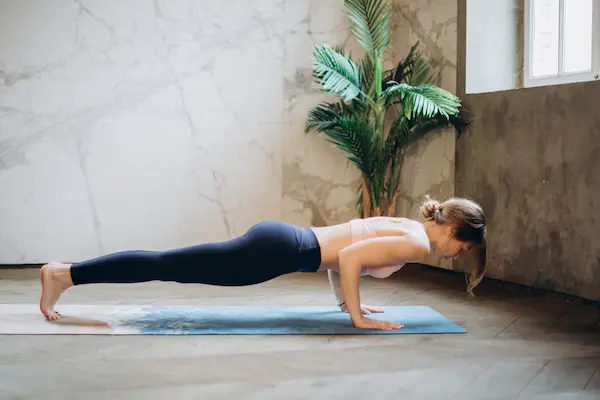
A full body home workout for teens should feel supportive and doable, so you can build strength, stamina, and confidence without pressure or perfection.
If anything feels painful, weird, or worrying, the smartest move is to pause and talk with a trusted adult or a health professional before you push further.
Full Body Home Workout for Teens: The “Keep It Safe, Keep It Simple” Approach
Teen bodies can adapt fast, yet that doesn’t mean you need intense workouts, because consistency with safe home exercises is what usually builds the best long-term results.
Progress will feel smoother when you treat every session like practice, because practice builds skill, and skill makes strength feel easier over time.
Energy levels change a lot during teen years, so a flexible plan matters more than a strict plan, especially when school, sleep, sports, and stress all affect recovery.
Confidence grows when you finish feeling capable, because finishing strong makes you more likely to come back tomorrow instead of avoiding the next session.
Quick safety reminders before you start
- Choose movements you can control smoothly, because control is what protects joints when you get tired.
- Stop if you feel sharp pain, tingling, numbness, dizziness, or anything alarming, because those signs deserve a check-in with a trusted adult or health professional.
- Use more rest than you think you need at first, because breathing control is a safety tool, not a weakness.
- Keep water nearby and take breaks, because hydration and calm pacing make workouts feel much better.
How hard should a teen friendly workout feel
Most healthy teens do well when a workout feels like a moderate challenge, where breathing increases but you can still speak short sentences without panic.
Using a simple 1–10 effort scale can help you stay smart, so many sessions should land around a 5–7, while warm-ups and cool-downs should feel closer to a 2–3.
Going “all out” is rarely necessary, because your body improves with repeatable effort, and repeatable effort is the whole point of youth fitness basics.
Youth Fitness Basics: What Matters More Than “Perfect Workouts”
Strong fundamentals beat complicated routines, because a few simple movement patterns cover nearly everything you need for a full-body session at home.
Those patterns include a squat, a hinge, a push, a pull substitute, a core brace, and a gentle cardio rhythm, which together create a balanced training effect.
Technique is your superpower, because good technique makes even light workouts productive, while sloppy technique makes heavy workouts risky and frustrating.
Recovery is part of training, because muscles rebuild and adapt after the workout, not during the hardest moment of the workout.
The six movement patterns you will use today
- Squat pattern: helps legs and hips work together when you sit, stand, jump, or climb stairs.
- Hinge pattern: teaches safe bending and builds glutes and hamstrings for sprinting, lifting, and posture.
- Push pattern: trains chest, shoulders, and arms while building full-body tension and control.
- Pull substitute: balances shoulders and upper back, which is helpful if you sit a lot or carry a backpack often.
- Core stability: supports your spine while you move, so your body feels connected rather than wobbly.
- Cardio rhythm: trains heart and lungs in a way that feels steady and manageable, not chaotic.
What to do if you have health concerns
If you have asthma, heart concerns, joint issues, past injuries, or anything that makes exercise feel uncertain, it’s a smart move to talk with a trusted adult and a health professional before you increase intensity.
Asking for support is not dramatic, because getting the right guidance early can prevent months of frustration later.
Safe Home Exercises Setup: Make Your Space Teen-Proof
A clean setup makes workouts safer and less awkward, because nobody enjoys tripping over a backpack mid-lunge.
Small spaces can still work perfectly, because most movements can be done in place with only a step forward and a step back.
Two-minute space checklist
- Clear a rectangle of space where you can extend your arms, because shoulder swings and push-ups need room.
- Move anything slippery away from your feet, because socks plus smooth floors can turn a simple step into a slide.
- Place a sturdy chair nearby, because chair support makes many moves easier and safer.
- Set a timer before you start, because timers reduce overthinking and keep the session efficient.
Household items you can use like simple equipment
- A chair works as support for balance and incline push-ups, because it helps you scale difficulty safely.
- A backpack with a few books can add optional resistance, because light load can make legs and hinges more challenging without needing weights.
- A towel can help with gentle pulling drills, because it gives your hands something to grip without fancy gear.
- A wall can support posture and balance practice, because stable feedback can improve confidence fast.
Full Body Home Workout for Teens: Choose Your Time Option
Time flexibility makes this routine realistic, because your schedule might change based on homework, sports practice, family plans, or just being tired.
Consistency matters more than perfection, so a shorter workout done regularly beats a long workout you only do once.
Pick one option for today
- 10 minutes: quick circuit for busy days that still hits the whole body.
- 20 minutes: standard circuit that feels complete without being exhausting.
- 30 minutes: longer version that adds rounds and more rest, not extreme intensity.
Timer choices that keep things simple
- Beginner timer: 30 seconds work, 30 seconds rest, because equal rest keeps breathing calm.
- Standard timer: 40 seconds work, 20 seconds rest, because it builds a steady cardio rhythm.
- Spicy-but-safe timer: 45 seconds work, 15 seconds rest, because it feels harder while still being controllable for many healthy teens.
Warm-Up First: The Fastest Way to Make Everything Feel Better
Warm-ups matter because your joints move smoother when they’re warm, and smoother movement is usually safer movement.
Rushing straight into hard reps can feel rough, especially if you’ve been sitting in class or gaming for a while, so a short warm-up is a smart shortcut to comfort.
5-minute warm-up you can repeat every time
- March in place for 60 seconds with relaxed shoulders, because rhythm raises body temperature without impact.
- Step-touch side to side for 60 seconds with soft knees, because hips warm up better when they move in more than one direction.
- Do 30 seconds of arm circles and 30 seconds of shoulder rolls, because upper-body tension can make push-ups feel harder than they should.
- Practice 8 slow bodyweight half-squats, because rehearsing the pattern improves control during the real sets.
- Practice 8 slow hip hinges with hands on thighs, because hinge practice protects your lower back when effort rises.
Warm-up cues that keep you safe
- Quiet feet help joints, because loud stomping is usually a sign of rushing or losing control.
- Soft knees protect comfort, because locked knees often create stiff, jolty movement.
- Easy breathing sets the pace, because breath-holding early is a clue that you started too hard.
The Main Full-Body Circuit: Simple Strength and Cardio
This circuit is built around safe home exercises that are easy to learn, because the goal is to make your home routine feel friendly, not confusing.
Each move has an easier and harder option, because different days require different levels of effort, and your body deserves that flexibility.
Exercise list for the circuit
- Move 1: Squat to chair or bodyweight squat.
- Move 2: Incline push-up or knee push-up.
- Move 3: Hip hinge “good morning” or backpack deadlift.
- Move 4: Reverse lunge or split-stance knee bend.
- Move 5: Dead bug or plank hold.
- Move 6: Fast march, step-touch, or shadow boxing for cardio rhythm.
Move 1: Squat pattern
Squats train legs and hips in a way that supports sports, stairs, and everyday movement, especially when you keep the tempo controlled and the knees comfortable.
- How to do it: send hips back slightly, bend knees to a comfortable depth, then stand tall by pushing through midfoot.
- Make it easier: tap a chair with your hips and stand again, because a target improves control.
- Make it harder: lower for three seconds before standing, because slow lowering adds challenge without impact.
- Form cue: let knees track in the same direction as toes, because collapsing inward can feel unstable.
Move 2: Push pattern
Push-ups build chest, shoulders, arms, and core stability, yet the best version is the one you can do smoothly without neck tension or shaky collapsing.
- How to do it: use a wall, counter, or chair, lower slowly, then press away while exhaling.
- Make it easier: move to a higher surface like a wall, because higher incline reduces load.
- Make it harder: lower the incline or slow the lowering phase, because control creates strength.
- Form cue: keep a straight line from head to hips, because sagging can irritate the lower back.
Move 3: Hinge pattern
The hinge builds glutes and hamstrings while teaching safe bending, which is useful for everything from picking up groceries to sprinting and jumping in sports.
- How to do it: push hips back like closing a car door, keep a long spine, then stand tall by squeezing glutes gently.
- Make it easier: reduce the range and go slower, because control matters more than depth.
- Make it harder: hold a backpack at your chest and hinge carefully, because light resistance increases training effect.
- Form cue: keep weight balanced in midfoot and heel, because drifting forward often makes the hinge feel awkward.
Move 4: Single-leg support pattern
Reverse lunges build legs and balance with a controlled step, which helps teens develop athletic stability without needing heavy weights.
- How to do it: step one foot back softly, bend both knees a little, then return to standing by pushing through the front foot.
- Make it easier: stay in a split stance and bend knees slightly without stepping, because it reduces balance demands.
- Make it harder: pause for one second at the bottom, because pauses build control and leg endurance.
- Form cue: keep your torso tall, because leaning forward can increase knee stress for some people.
Move 5: Core stability pattern
Core training should feel like stability, not like your neck taking over, so slow control usually works better than fast reps.
- Dead bug option: lie on your back, move opposite arm and leg slowly, and keep breathing calm while your lower back stays comfortable.
- Plank option: hold a plank on a chair or on the floor, keeping ribs stacked and shoulders strong.
- Make it easier: use a higher incline plank, because less bodyweight makes it more manageable.
- Form cue: exhale during the hardest moment, because breath control reduces bracing and helps stability.
Move 6: Cardio rhythm pattern
Cardio in a teen friendly workout does not need jumping, because steady marching, step-touches, or shadow boxing can raise your heart rate while keeping your joints happy.
- Fast march: pump arms and keep steps quiet, because quiet feet usually mean better control.
- Step-touch: move side to side smoothly, because lateral movement wakes up hips and feels playful.
- Shadow boxing: punch lightly while shifting feet softly, because upper-body effort boosts intensity without impact.
- Breathing cue: slow down if you cannot speak a short sentence, because panic breathing is a sign to downshift.
Plug-and-Play Plans: 10, 20, and 30 Minutes
Choosing a ready-made plan makes follow-through easier, because you can stop thinking and start moving.
Rest is part of the plan, because the goal is to train smart, not to feel destroyed.
10-minute plan
- Warm up for 3 minutes using marching and step-touches, because a short warm-up still helps joints.
- Do one round of the six moves using 30 seconds work and 20–30 seconds rest, because calm pacing improves form.
- Cool down for 1 minute with slow breathing and gentle walking, because a calm ending helps recovery.
20-minute plan
- Warm up for 5 minutes using the full warm-up list, because warm muscles move better.
- Complete two rounds of the six moves using 40 seconds work and 20 seconds rest, because it balances effort and control.
- Rest 60 seconds between rounds, because recovery keeps your second round smooth.
- Cool down for 2–3 minutes, because your body deserves a calm finish.
30-minute plan
- Warm up for 6–8 minutes, because longer sessions benefit from extra preparation.
- Complete three rounds using 40 seconds work and 20 seconds rest, because consistent pacing beats chaotic sprinting.
- Rest 60–90 seconds between rounds, because good form matters more than nonstop work.
- Cool down for 4–5 minutes, because longer sessions feel better when you land softly.
Teen Friendly Workout Pacing: How to Know You’re Doing Enough
Doing enough means you challenged yourself without losing control, because control is the skill that protects your body and supports athletic progress.
Feeling a little tired is normal, yet feeling wrecked is a sign you went too hard for a routine you want to repeat consistently.
Progress often shows up as smoother reps, better balance, calmer breathing, and less soreness from the same plan, which are all strong signs that your body is adapting.
Quick check-in questions during your workout
- Can I breathe steadily without panic, because panic breathing means intensity is too high for today.
- Do my joints feel stable, because wobble and sharp discomfort usually mean I should slow down or reduce range.
- Could I repeat this tomorrow if I had to, because repeatability is the secret behind real progress.
Smart ways to make it harder without being reckless
- Slow down the lowering part of squats and hinges, because tempo builds strength without extra impact.
- Add a short pause at the hardest point, because pauses improve control and stability.
- Increase rounds only after a few consistent weeks, because gradual volume growth is safer than sudden spikes.
- Use a slightly tougher push-up incline, because small angle changes create real strength gains.
Modifications When Fitness Levels Change Day to Day
Some days you will feel strong and energetic, while other days you may feel tired or stressed, and both kinds of days deserve a workout that fits your body.
Scaling is not quitting, because scaling is how you stay consistent without turning exercise into punishment.
If you feel tired or low-energy
- Choose the 10-minute plan, because short sessions maintain the habit with less fatigue.
- Use the easiest versions of each move, because good reps with low stress still build skill.
- Extend rest times, because breathing control matters more than speed.
If one move feels uncomfortable
- Swap reverse lunges for split-stance bends, because stepping can be the hardest part for balance.
- Switch planks to dead bugs, because wrists and shoulders sometimes dislike plank pressure.
- Use chair support for squats, because a target makes depth feel safer.
If you want a fun variation without adding risk
- Replace marching with shadow boxing, because arm work can raise heart rate without jumping.
- Replace step-touches with “box steps,” because small direction changes keep it interesting without chaos.
- Turn your cardio block into a “music round,” because rhythm helps pacing feel easier.
Cool-Down: Make Your Next Workout Easier
A cool-down helps your heart rate settle and helps your muscles relax, which can reduce that stiff feeling later in the day.
Stretching is optional, because light movement and calm breathing often do enough for recovery, especially if you are new to consistent training.
3–5 minute cool-down sequence
- Walk slowly around your room or march gently for 60–90 seconds, because gradual slowing helps your body transition.
- Take three long exhales while relaxing shoulders and jaw, because long exhales reduce tension quickly.
- Do a gentle calf stretch and a gentle hip stretch if it feels good, because comfort matters more than intensity.
Weekly Schedule Ideas That Feel Non-Pressuring
Two to four workouts per week can be plenty for healthy teens, especially when you are balancing school, sports, hobbies, and sleep.
Rest days are not lazy days, because recovery helps your body adapt and keeps workouts feeling better over time.
Three simple schedules to choose from
- Schedule A: two days per week, because it is easy to maintain and still builds progress with consistency.
- Schedule B: three days per week, because it creates a steady rhythm without taking over your life.
- Schedule C: two circuit days plus one easy walk or bike ride, because light activity supports heart health and mood.
How to progress without pressure
- Keep the same plan for two weeks, because learning the routine improves technique fast.
- Add one extra round or a few extra seconds only when the routine feels smooth, because small upgrades are safer than big jumps.
- Stay honest about sleep and stress, because tired bodies need lighter sessions to stay safe.
Respecting Limits: The Most Important Youth Fitness Basic
Listening to your body is not about being scared, because it is about being smart enough to train for months and years instead of burning out in one week.
Comparing yourself to friends or social media can mess with your pacing, because online clips rarely show warm-ups, rest, or how someone feels the next day.
Supportive training means celebrating consistency, because consistency builds real confidence and real ability in a way that quick extremes rarely do.
Talk to a trusted adult or health professional if you notice
- New pain that feels sharp, persistent, or scary, because pain is information and sometimes needs professional input.
- Breathing problems that feel unusual or intense, because health comes first and guessing is never required.
- Any symptom that makes you worried, because getting reassurance is better than silently pushing through.
Full Body Home Workout for Teens: Quick Summary You Can Screenshot
Choose a time option that fits today, because the best workout is the one you actually do.
Warm up first, because warm joints and warm muscles move better.
Move through six simple patterns, because simple patterns cover the whole body without confusion.
Rest more whenever breathing feels too hard, because calm breathing protects technique and confidence.
Ask a trusted adult or health professional about any concerns, because your health matters more than finishing a circuit.
Notice: This content is independent and has no affiliation, sponsorship, or control by any institutions, platforms, brands, or third parties mentioned or implied.