
When finishing a workout, it’s easy to feel like you’ve completed your effort and are ready to move on with your day. However, abruptly stopping after intense exercise can leave you feeling winded, dizzy, or fatigued, and might even increase your risk of injury or discomfort later. This is where learning how to cool down after exercise becomes an important step toward supporting your body’s recovery process and ensuring long-term fitness progress.
A well-planned cool down routine is more than just a “nice-to-have” afterthought; it’s an essential part of any exercise session that helps your heart rate return to normal, your muscles relax, and your body start the recovery process. By dedicating a few extra minutes to gentle movement, focused breathing, and light stretching, you can smooth the transition from exertion to rest and reduce the chances of post-workout soreness or discomfort.
In this article, we will walk you through a calming, easy-to-follow 5–10 minute cool down routine that anyone can do, even if you’re a complete beginner. We’ll explore post-workout breathing techniques, gentle stretches to target key muscle groups, and how to hydrate properly after exercise. You will also learn how to recognize warning signs that suggest you should seek medical attention rather than continue with your cool down. By the end of this guide, you’ll feel confident that you’re ending your workout in the safest, most supportive way possible.
Why Cooling Down After Exercise is Essential
While you may be eager to move on after a good workout, especially if you’re feeling fatigued, skipping a cool down routine can leave your body in a heightened state of exertion for much longer than necessary. The idea of gradually bringing your heart rate down and relaxing your muscles may seem like a minor detail, but it plays a crucial role in your overall recovery process. When you finish exercise without properly cooling down, your body doesn’t get the signal that the intensity is over, which can lead to a number of negative effects such as increased muscle tightness, a slower heart rate return, and even dizziness or lightheadedness.
By spending a few minutes on a structured cool down routine, you can encourage your body to adjust to the transition more easily, which not only supports your body’s immediate recovery, but also helps you feel better and more energized in the long run.
The Physical Benefits of Cooling Down
When you engage in a cool down routine, your body benefits in a variety of ways that contribute to your overall health, well-being, and fitness progress. These benefits extend far beyond just the immediate post-workout feeling and can improve your long-term fitness experience.
- Helps regulate heart rate: After exercise, your heart rate is elevated and needs time to return to its normal resting rate. A gentle cool down helps your heart rate decrease gradually, preventing it from dropping too quickly, which can otherwise lead to dizziness, lightheadedness, or even fainting.
- Prevents blood from pooling: Cooling down with light activity helps blood flow evenly throughout the body. Without a cool down, blood can pool in your legs, leaving you feeling faint or weak, and it can also increase muscle soreness post-workout.
- Reduces muscle stiffness: Stretching and low-intensity movements during your cool down help lengthen your muscles and reduce tightness. This can prevent the common stiffness and discomfort that people experience after a workout, allowing for smoother movements in the following days.
- Promotes relaxation: Cooling down gives you an opportunity to slow your breathing and bring your nervous system back into a relaxed state. It signals to your body that the “stress phase” of the workout is over and that recovery has begun.
- Improves flexibility: After exercise, your muscles are warm and more pliable, which makes stretching an ideal time to improve flexibility and range of motion. Stretching also encourages relaxation, which can ease muscle tension that’s built up during the workout.
These benefits illustrate why taking the time to cool down is not just a “nice-to-have” extra, but a vital part of ensuring your workouts are both effective and safe for your body. You’ll likely experience fewer injuries, less soreness, and a greater sense of overall well-being when you make cool down a non-negotiable part of your fitness routine.
Basic Principles of a Cool Down Routine
Now that we understand the importance of cooling down, it’s time to focus on what a good cool down routine looks like. A safe cool down should always be a gradual process, taking you from your workout’s intensity to a calm, relaxed state. As a general rule, a good cool down should involve several components: slowing down your movement, focusing on your breathing, stretching key muscle groups, and hydrating. These elements can help ease your transition from exercise to rest, making it easier for your body to recover and feel more comfortable afterward.
Slower Movement to Gradually Lower Your Heart Rate
The first part of any cool down routine is to slow your movement gradually, allowing your heart rate to return to a more manageable pace. Abruptly stopping after an intense workout can put your cardiovascular system under strain. Instead, a slow, controlled reduction in pace gives your heart time to adjust, preventing feelings of dizziness or lightheadedness.
- If you’ve been running, jogging, or cycling, slowly reduce your speed and pace for 3–5 minutes. Walk at a comfortable pace or pedal at a lower resistance level.
- For strength training, rather than sitting down immediately after your final set, walk around or do some light marching in place for a few minutes. This keeps your circulation moving and allows your heart rate to lower gradually.
- For high-intensity interval training (HIIT), try to spend 4–5 minutes doing lighter movements, such as walking or slow jogging, before you stop completely.
In short, always take time to reduce the intensity of your movements, even if you feel ready to stop right away. Your body will thank you for the gentler transition, and your heart will appreciate the time to adjust without being overloaded.
Post Workout Breathing to Regain Calm
Breathing plays a vital role in your cool down, helping your heart rate decrease and your nervous system settle. After high-intensity exercise, your body is still in a heightened state, so using controlled breathing techniques can guide your body back into a calm and relaxed state.
- Try to focus on deep, slow breaths rather than shallow, quick ones. One effective technique is to inhale slowly through your nose for a count of four, hold for a brief second, and then exhale slowly through your mouth for a count of six. This helps relax your nervous system and stimulates the parasympathetic nervous system, which promotes calm and recovery.
- While walking or standing still, you can try pairing your breath with your movement. For example, inhale for two steps and exhale for two steps. This technique also helps regulate your rhythm and prevents you from getting too out of breath.
- If you find it difficult to slow your breathing, simply focus on lengthening the exhale. A longer exhalation naturally triggers relaxation and signals to your body that the intensity of exercise is over.
Post workout breathing helps speed up your recovery and allows your body to return to its normal state more quickly. Don’t rush through this step; try to spend at least 1–2 minutes focusing on your breath.
Gentle Stretching to Improve Flexibility and Relax Muscles
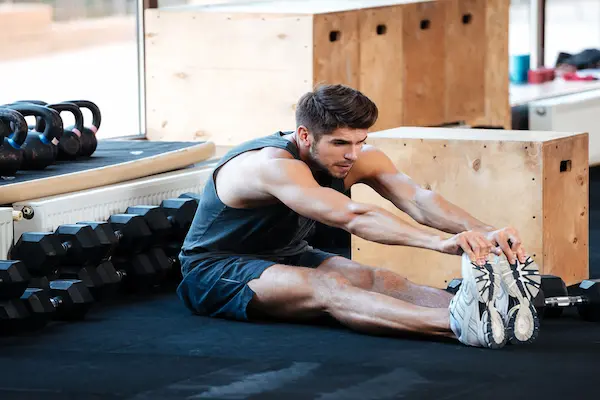
Once your heart rate is lower and your breathing is steady, the next step is to incorporate gentle stretching. After a workout, your muscles are still warm and pliable, which is the perfect time to help them lengthen and relax. Stretching not only reduces muscle tension but also improves flexibility and range of motion, which helps prevent stiffness and soreness.
- Start with stretches for large muscle groups, like your calves, hamstrings, quadriceps, glutes, and back. Hold each stretch for 15–30 seconds, breathing deeply and relaxing into the stretch.
- Focus on areas that tend to get tight during your workout. For instance, if you’ve been cycling, emphasize stretches for your hip flexors, quadriceps, and hamstrings.
- Avoid bouncing while stretching; instead, aim for slow, controlled stretches. Gentle static stretches are the most effective way to release muscle tightness.
- If you’re feeling tightness in your neck, shoulders, or upper back after strength training or upper body work, include stretches for these areas as well.
Gentle stretching after your workout signals to your muscles that the work is over and promotes flexibility and relaxation. Be patient and avoid pushing too hard; stretching should feel like a comfortable release, not a painful experience.
Hydration and Recovery After Exercise
Rehydrating after exercise is one of the simplest and most effective ways to support your recovery. During physical activity, you lose water through sweat and breathing, and it’s essential to replace lost fluids to ensure proper muscle function and overall recovery.
- Drink small sips of water throughout your cool down, taking care not to gulp large amounts at once, which can lead to discomfort.
- If your workout was particularly intense, consider sipping on an electrolyte-rich drink to replenish minerals like sodium and potassium, which are also lost through sweat.
- Try to hydrate before you feel thirsty, as thirst is often a sign that you’re already mildly dehydrated. Aim to drink water consistently throughout the day, especially after exercise.
- If you feel lightheaded or fatigued after your workout, rehydrate first, and then focus on additional recovery practices like eating a small meal or snack with protein and carbohydrates.
By staying hydrated, you support your muscles’ recovery process and keep your body functioning well throughout the day. Always drink water slowly and consistently to maintain hydration levels.
Signs That Something Might Be Wrong: When to Seek Medical Attention
Cooling down should leave you feeling more grounded, relaxed, and in control of your body. However, there are instances when cooling down may not be enough, and it’s important to listen to your body and seek medical attention if you experience certain warning signs.
When You Should Seek Immediate Medical Attention
If you experience any of the following symptoms during or after exercise, you should stop immediately and seek medical attention:
- Severe chest pain or pressure, especially if it lasts more than a few minutes, radiates to your arm or jaw, or is accompanied by shortness of breath.
- Sudden dizziness, fainting, or confusion that doesn’t improve with rest or deep breathing.
- A rapid, irregular heartbeat that doesn’t settle after a cool down or relaxation.
- Pain that radiates into your neck, jaw, or arms, especially if you’re also experiencing shortness of breath or chest discomfort.
These symptoms can be indicative of more serious conditions, such as a heart attack or severe cardiovascular stress, and you should seek urgent care immediately.
Less Severe Symptoms That Might Require Modifications
Other signs may not require emergency attention but should be addressed to avoid potential injury or discomfort:
- Sharp joint pain, particularly in your knees, hips, or ankles, that persists even after your cool down routine.
- Feeling excessively winded after moderate exercise, which might indicate that your intensity level is too high for your current fitness level.
- Persistent muscle tightness or cramping that doesn’t seem to improve with stretching, hydration, or rest.
- Headaches, nausea, or unusual fatigue that lasts long after your cool down and makes you feel weak or unwell.
If any of these symptoms appear, consider adjusting your exercise intensity, seeking professional guidance, or making modifications to your workout to reduce the risk of injury or strain.
Conclusion: How to Cool Down After Exercise for Long-Term Success
Knowing how to cool down after exercise is essential for promoting recovery, preventing injury, and making the most of your workouts. By incorporating a simple, step-by-step cool down routine that includes gentle movement, breathing exercises, light stretching, and hydration, you set your body up for better fitness results and less discomfort later on.
Whether you’re a beginner or an experienced athlete, taking the time to cool down can help you feel calmer, more energized, and ready for the next workout. Remember, your body deserves care and attention every step of the way, so don’t skip the cool down. Your muscles, joints, heart, and mind will thank you for it.
Notice: this content is independent and has no affiliation, sponsorship, or control from any institutions, platforms, or third-party entities mentioned.