
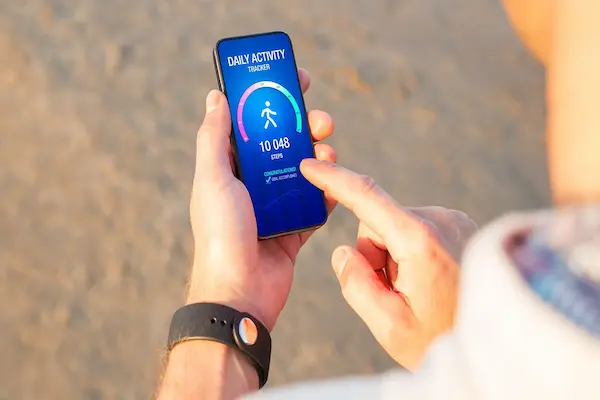
Curiosity about step goals is a great place to start because steps are simple, familiar, and easy to repeat on busy days.
This guide explains how to track your daily steps with tool-neutral options, gentle goal ideas, and practical ways to interpret numbers without letting them run your life.
Because every body and health history is different, checking with a qualified health professional is the safest choice if you have existing conditions, concerning symptoms, or uncertainty about activity changes.
Comfort and safety come first throughout this article, which means stopping before pain, scaling effort down when needed, and treating step data as helpful feedback rather than a judgment.
How to track your daily steps without turning it into pressure
Step tracking works best when it feels like a flashlight, not a scoreboard, because the point is seeing patterns that support your energy and consistency.
Numbers can motivate some people and stress others, so a healthy approach is using data to notice trends while staying flexible when real life changes your day.
A step count is a proxy for movement, which means it reflects walking-like motion but does not automatically reflect intensity, strength, mobility, sleep, stress, or overall health.
Progress is usually better measured by repeatable habits, such as “I move most days,” than by chasing a single daily number as if it determines your worth.
Gentle tracking is especially helpful for beginners because it can reveal hidden opportunities for movement, like a short loop after lunch or a quick walk during a phone call.
Consistency grows faster when the minimum is easy, so your tracking approach should make it simpler to begin rather than creating extra work.
Quick definitions that make step counting basics easier
- A step is one footfall detected as part of walking-like movement, which is usually measured through motion sensors in a phone, watch, or pedometer.
- Daily steps are the total steps recorded across the day, whether those steps happened in a single walk or in many short bursts.
- Baseline steps are your “normal right now” average, which becomes the most useful starting point for realistic goal setting.
- A step goal is a target you choose for yourself, which should be adjustable when sleep, weather, workload, or health changes your capacity.
- Trends are patterns across a week or month, which usually matter more than any single high day or low day.
Signs your tracking approach is supportive
- Motivation increases because the next goal feels doable, not because you feel guilty or pressured.
- Curiosity shows up as “What helped me move more yesterday?” instead of “Why am I failing today?”
- Flexibility remains possible, so you can lower a target on sick days or stressful days without abandoning the habit entirely.
- Joy stays involved, because walking and movement feel like self-care rather than punishment.
Step counting basics: what gets counted, and what can confuse the numbers
Most trackers estimate steps by detecting rhythmic acceleration patterns, which means real walking is counted well, while certain arm or body movements can sometimes be mistaken for steps.
Accuracy is usually “good enough” for trend tracking, yet perfection is not realistic because sensors and wearing habits differ across people and devices.
Step counts can be lower than expected when the device is not carried consistently, when battery optimization pauses tracking, or when arm swing is limited on a watch.
Inflated counts can occur when a phone jiggles during transport or when a watch records repetitive hand motion that resembles a walking rhythm.
Beginners benefit from treating step data as an estimate, because the estimate is still useful for noticing whether your overall movement is rising, holding steady, or dropping.
A calm mindset prevents the common trap of chasing “perfect numbers” instead of building a walking routine that feels good in real life.
Common situations that affect step counts
- Hands in pockets can reduce arm swing, which may reduce watch-detected steps depending on the device and settings.
- Phone left on a desk will miss steps, which is normal and simply means the device cannot measure what it did not carry.
- Shopping carts and strollers can lower watch accuracy for some people, because the wrist stays still while legs move.
- Driving over bumpy roads can add false steps on some trackers, because vibration can mimic walking motion.
- Walking slowly can be undercounted by certain sensors, because the motion pattern is smaller and less rhythmic.
A quick “good enough” accuracy mindset for beginners
- Prefer consistency of measurement over perfect precision, because consistent measurement reveals meaningful trends over time.
- Focus on week-to-week averages rather than day-to-day swings, because workdays, errands, and fatigue create normal variation.
- Use the same primary device most days, because mixing devices makes comparisons more confusing than helpful.
- Adjust your goal based on your data and your body, because sustainable walking is built by listening and adapting.
How to track your daily steps with tool-neutral options
Three common step-tracking paths exist for beginners, and each path can work well when you choose the option that fits your lifestyle rather than chasing the “best” device.
A phone step tracker is convenient when you already carry your phone, a watch is convenient when you wear it consistently, and a pedometer can be convenient when you want a dedicated simple tool.
Choosing a tracker is less about status and more about friction, because the easiest tool to use is usually the tool that produces the most consistent data.
Comfort matters too, so the best tracker is the one you can wear or carry without annoyance, pinching straps, or constant charging stress.
Option 1: phone step tracker basics
A phone step tracker is a strong first choice for many beginners because the phone is already part of daily life, and the simplest system is often the most sustainable system.
Accuracy improves when the phone is carried on your body consistently, such as in a pocket, waistband pouch, or small bag that moves with your steps.
- Strengths: low extra cost, minimal setup, and easy daily visibility when you check your screen.
- Limitations: missed steps when the phone is left behind, and variability if the phone location changes throughout the day.
- Best for: people who already keep a phone nearby while walking or moving around the house.
Option 2: watch-based step tracking basics
A watch can be convenient because it stays with you more consistently than a phone, especially during short household tasks or quick office walking breaks.
Wrist-based detection may undercount when the wrist stays still, so awareness of situations like pushing a cart can help you interpret your numbers calmly.
- Strengths: consistent wear, easy glanceable feedback, and less reliance on pockets or carrying habits.
- Limitations: potential undercount during limited arm swing, plus the need to keep the device charged and worn regularly.
- Best for: people who prefer always-on tracking and like seeing progress without pulling out a phone.
Option 3: pedometer tips for a dedicated step counter
A pedometer is a simple dedicated device that often clips to clothing or sits in a pocket, and it can be appealing if you want fewer distractions than a phone provides.
Many beginners enjoy a pedometer because it does one job, the display is straightforward, and the habit feels more “clean” and less app-driven.
- Strengths: simplicity, fewer notifications, and a clear focus on steps without extra features.
- Limitations: you must remember to clip or carry it, and you may need to reset or log steps manually depending on the model.
- Best for: people who want minimal tech friction and prefer a dedicated tool for step counting basics.
How to choose your tracker in five practical questions
- Which tool will you actually keep with you most of the day, even during short trips to the kitchen or bathroom?
- Which tool feels comfortable and non-annoying, so you are not constantly tempted to take it off or leave it behind?
- Which tool creates the least mental overhead, so tracking feels like a gentle routine rather than another chore?
- Which tool fits your budget and your priorities, since consistency matters more than fancy features for beginners?
- Which tool helps you stay calm about numbers, because the best tracker is the one that supports you emotionally as well as practically?
How to track your daily steps accurately enough to trust the trend
Because step tracking is an estimate, the most useful goal is “accurate enough for trends,” which means you can confidently compare one week to another without obsessing over small discrepancies.
A consistent carry or wear pattern is the simplest accuracy upgrade, because measurement improves when the device experiences similar motion conditions each day.
Small setup choices also matter, especially when you want your phone step tracker or pedometer to behave predictably.
Calibration does not need to be technical, because simple reality checks can teach you whether your tracker tends to undercount or overcount in your daily life.
Simple setup checklist for phone step tracker users
- Keep the phone in a consistent location when possible, because switching between jacket pocket, backpack, and desk creates inconsistent measurement.
- Allow motion tracking permissions if your phone requires it, because restricted permissions can reduce tracking reliability.
- Check battery settings if tracking stops unexpectedly, because aggressive battery saving can pause background sensor activity.
- Carry the phone during household movement if you want those steps counted, because steps cannot be recorded if the sensor is not present.
- Choose a comfortable carry solution like a pocket, clip, or waistband pouch, because comfort increases consistency.
Simple setup checklist for watch users
- Wear the watch snug enough to avoid sliding, because excessive movement on the wrist can confuse readings and irritate skin.
- Keep the watch on during your typical movement windows, because inconsistent wearing creates “mystery gaps” that make trends harder to see.
- Notice low-arm-swing situations like pushing carts, because those situations may require calmer interpretation rather than frustration.
- Charge the device on a predictable schedule, because dead batteries create data gaps that can feel demotivating.
Pedometer tips for reliable use
- Clip the pedometer in a stable position, because a loose clip can bounce and change readings in unpredictable ways.
- Reset at the same time each day if needed, because consistent daily reset makes the numbers easier to interpret.
- Test placement options like waistband versus pocket, because different bodies and clothing styles create different movement patterns.
- Keep the device where you will remember it, because forgotten pedometers are the most common reason beginners quit using them.
The 5-minute reality check that builds trust in your tracker
- Choose a flat indoor hallway or a safe outdoor segment where you can walk without interruptions.
- Count 100 steps at your normal pace, keeping the count calm and steady rather than rushed and tense.
- Compare your count to the device’s count, noticing whether it is close, slightly low, or slightly high.
- Repeat once at a slower pace if slow walking is common for you, because some devices struggle more with slow rhythm.
- Accept “close enough” if the pattern is consistent, because your baseline and trends matter more than exactness.
How to set personal step goals without copying someone else’s number
Many beginners hear famous numbers and assume they must match them, yet a personal step goal works best when it grows from your baseline rather than from a universal target.
Your body’s current capacity, your schedule, your joints, your stress level, and your climate all affect what is sustainable, which is why personalization matters.
A realistic goal is one that you can hit often enough to feel successful, because success fuels repetition and repetition builds the daily walking habit over time.
Gentle growth is usually safer than aggressive growth, especially if you are sedentary, because feet, ankles, and knees need time to adapt to increased volume.
Step goal building method: baseline first, goal second
- Track your steps for 7 days without changing anything on purpose, because baseline should reflect real life rather than a “perfect week.”
- Calculate a simple average by adding your daily totals and dividing by 7, because the average is more stable than any one day.
- Choose a small increase, such as 5–15% above baseline, because small increases are easier on joints and easier on motivation.
- Set a flexible goal structure with a “minimum” and a “stretch,” because two targets reduce all-or-nothing thinking.
- Reassess after two weeks, because early data teaches you what is sustainable and what creates stress.
Examples of gentle goal structures that reduce obsession
- Minimum goal: the baseline average, because maintaining is progress when you are learning consistency.
- Target goal: baseline plus a small bump, because a modest increase builds confidence without overwhelming your day.
- Bonus goal: a higher number for “good energy days,” because extra effort should feel optional rather than required.
- Weekly goal: total steps across the week, because weekly goals can feel kinder when daily schedules vary widely.
A 2–4 week gentle progression you can use with almost any baseline
- Week 1: aim to meet your minimum goal at least 5 days, because early wins teach your brain that this is doable.
- Week 2: add one extra short walk or two “movement snacks” per day, because frequency often increases steps without needing long walks.
- Week 3: choose one longer easy walk day, because a single longer day builds endurance without pressure to be fast.
- Week 4: keep the plan steady and celebrate consistency, because stabilizing habits matters as much as increasing numbers.
How to interpret daily steps in a way that supports real life
Interpreting steps becomes simpler when you view them as a story about your day, because the numbers reflect routines like commuting, errands, meetings, and household responsibilities.
Context prevents frustration, so a low day might mean deep focus work or travel, while a higher day might mean errands and natural movement rather than deliberate exercise.
Week-to-week comparisons are usually more meaningful than day-to-day comparisons, because life variability is normal and because recovery days can still be healthy days.
A single low day is not failure, and a single high day is not a complete plan, so trends should guide decisions more than daily emotions.
Three ways to read your step data without spiraling
- Use a weekly average, because averages smooth out the normal bumps of busy days and tired days.
- Look for “what created the high days,” because repeating the easiest high-day behaviors is more effective than forcing yourself on low days.
- Notice patterns around workdays versus weekends, because different schedules often require different walking strategies.
Helpful categories for your days, especially for beginners
- Baseline day: a typical workday where you did not force extra movement, because baseline is the foundation for realistic goals.
- Intentional day: a day with one planned walk or several planned breaks, because those days teach you what works.
- Recovery day: a lower-step day due to soreness, illness, or high stress, because recovery protects long-term consistency.
- Life day: a day where steps came from errands and responsibilities, because movement counts even when it is not labeled “exercise.”
Red flags that suggest it may be time to soften your relationship with numbers
- Anxiety spikes when you check steps, because a tracking tool should not harm your mental well-being.
- Guilt appears on low days even when rest was appropriate, because rest and recovery are normal parts of a healthy routine.
- Compulsive behavior shows up, such as pacing late at night just to hit a number, because that pattern can disrupt sleep and increase stress.
- Self-worth becomes tied to the total, because the goal is better support, not a new way to judge yourself.
Simple consistency tips to increase steps at a beginner-friendly pace
Many people can raise steps without adding a formal workout by inserting small walks into moments that already exist, such as transitions between tasks or short breaks between meetings.
Schedule-aware strategies tend to work best because a plan that fits your calendar is a plan you will repeat when motivation is low.
Comfortable shoes can be a surprisingly powerful strategy because foot discomfort is one of the fastest ways to abandon a new walking routine.
Low impact steps are easier to maintain when your feet feel good, your pace feels steady, and your plan respects your energy.
Office and home-work step boosters that look “normal”
- Take a 3–5 minute loop after your first meeting, because meetings often create posture tension that movement can reset.
- Walk during audio-only calls when safe, because talking time can become movement time without adding minutes to your schedule.
- Choose the farthest restroom or water refill route when time allows, because small detours add low impact steps quietly.
- Use stairs for one flight when comfortable, because small stair choices can add steps without needing a full stair workout.
- Park slightly farther away or exit public transit one stop early when safe, because commute minutes can become movement minutes.
“Movement snacks” that add up without feeling like exercise
- Two minutes of walking after each hour of sitting, because frequent interruptions reduce stiffness and accumulate steps.
- Five minutes after lunch, because midday movement can support energy and mood in a gentle way.
- One short loop after dinner, because a calm evening walk can become a reliable daily cue.
- Three quick laps around your home while waiting for the kettle or microwave, because waiting time is hidden opportunity.
Comfortable shoes and clothing reminders for beginners
- Keep a walking-friendly pair near your workspace, because removing the “shoe problem” removes a major excuse.
- Choose socks that prevent blisters, because hotspots can turn a small walk into a day-ruiner.
- Dress for your environment, because being too cold or too hot increases tension and reduces enjoyment.
- Prioritize stability over style when you are building consistency, because comfort supports repetition.
Phone step tracker troubleshooting, pedometer tips, and common confusion points
Tracking problems are often simple, yet they feel discouraging when you do not know what to check, so this section aims to reduce frustration with practical steps.
A calm troubleshooting approach is useful because most issues come from carry habits, settings, or inconsistent wear rather than from anything being “wrong with you.”
If your step count seems too low
- Confirm the device was on your body during the walk, because steps cannot be counted from a phone left on a desk.
- Choose one consistent carry location, because consistent placement improves consistency of measurement.
- Check whether battery saving is limiting background tracking, because some phones reduce sensor activity to preserve power.
- Try a slightly quicker pace for a short test, because very slow walking can be undercounted on some trackers.
If your step count seems too high
- Notice vibration sources like bumpy car rides, because vibration can mimic rhythmic motion.
- Consider whether the device was shaking in a loose bag, because bouncing can inflate counts.
- Compare with your typical trend instead of reacting to one day, because single-day anomalies are common.
If two devices disagree
- Pick one primary device for goals, because using one measurement source reduces confusion and mental load.
- Accept that different algorithms exist, because different sensors interpret motion patterns in slightly different ways.
- Track trends within one device rather than comparing across devices, because consistency beats cross-device precision.
If tracking makes you feel obsessive
- Switch to weekly averages, because weekly framing reduces emotional swings caused by daily variation.
- Set a range goal instead of a single number, because ranges feel kinder and more realistic.
- Use a “minimum only” goal for a while, because removing pressure often restores enjoyment and consistency.
- Take a tracking break and focus on routine anchors, because habits can continue even when numbers are hidden.
How to track your daily steps and still stay mentally flexible
Step tracking is supposed to support your life, so a healthy plan includes permission to adjust goals when your schedule changes, your sleep is poor, or your body needs extra recovery.
A flexible approach also respects seasons, weather, caregiving responsibilities, and work deadlines, because consistency is built in real conditions, not in ideal conditions.
Some people thrive with daily targets, while others feel calmer with weekly targets, and both approaches are valid because the goal is sustainable movement rather than perfect compliance.
Choosing kindness is practical here, since self-criticism often reduces follow-through and increases avoidance.
Ways to build flexibility directly into your step goals
- Use a three-tier goal, such as minimum, target, and bonus, because that structure fits different energy levels without creating failure.
- Designate one recovery day each week, because recovery supports long-term consistency and joint comfort.
- Allow “indoor step days,” because weather and safety should not erase your daily walking habit.
- Plan for travel and busy periods, because a minimum plan prevents the habit from disappearing entirely.
Gentle reminders for beginners who want sustainable progress
- Better consistency usually beats bigger goals, because frequent success creates momentum and confidence.
- Small increases protect joints, because feet, ankles, and knees adapt gradually to higher step volume.
- Comfortable pace counts, because speed is optional and steps are still steps.
- Professional guidance matters for medical concerns, because individual conditions can change what is safest and most appropriate.
FAQ: how to track your daily steps as a beginner
Do I need a specific step goal like 10,000?
A popular number can be a fun reference, yet a personal goal built from your baseline is usually more realistic and less stressful for beginners.
Is a phone step tracker accurate enough?
A phone step tracker is often accurate enough for trends when the phone is carried consistently, because trend tracking is the main value for beginners.
Should I track steps every single day?
Daily tracking can help build awareness, yet weekly tracking or periodic check-ins can also work if daily numbers create pressure.
How do I know if I am obsessing over steps?
Obsessing often looks like anxiety, guilt, or compulsive pacing to hit a number, which is a sign to soften goals and focus on routine cues.
When should I talk to a health professional?
Professional guidance is wise if you have existing conditions, concerning symptoms, persistent pain, dizziness, or uncertainty about increasing activity.
Notice about independence and third parties
Notice: this content is independent and does not have affiliation, sponsorship, or control by any institutions, platforms, device brands, apps, or third parties mentioned or implied.
Printable checklist: step counting basics you can follow this week
- Choose one primary tracker, because one consistent data source reduces confusion.
- Carry or wear it consistently, because consistency improves trend reliability.
- Measure a 7-day baseline, because baseline creates realistic personal goals.
- Set a minimum goal and a target goal, because flexibility prevents all-or-nothing thinking.
- Review weekly averages, because trends matter more than single days.
- Add steps through small routines, because movement snacks fit busy schedules.
- Avoid obsession by using ranges and rest days, because mental health matters as much as numbers.
- Consult a health professional when needed, because safety is the foundation of sustainable movement.
Closing: let steps be a guide, not a judge
Learning how to track your daily steps is ultimately about building awareness and consistency, because the most meaningful progress is the kind you can repeat without stress.
With step counting basics, practical pedometer tips, a calm phone step tracker setup, and permission to stay flexible, your step data can support your life instead of controlling it.