
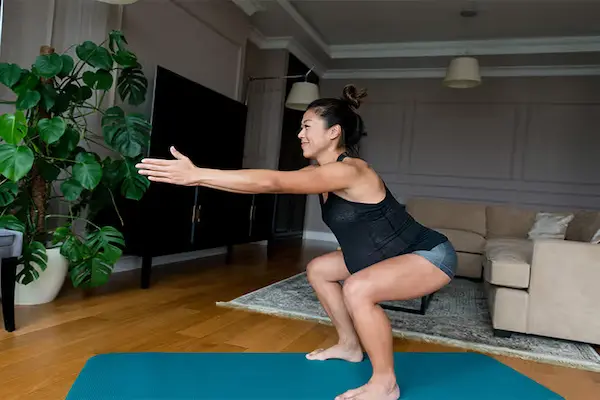
Beginning to move your body when you are worried about your knees, ankles, or the sound of your footsteps on an upstairs floor can feel like a delicate balancing act between wanting to improve your health and wanting to protect your joints and your living situation.
Instead of jumping into loud, high-impact routines that make you cringe at every landing, you can choose low impact exercises for beginners that keep at least one foot on the ground, reduce stress on your joints, and stay considerate of neighbors while still helping your heart, muscles, and confidence grow.
Many people believe that “real” workouts must involve jumping, running, or explosive movements, yet a thoughtful no jumping workout can raise your heart rate, strengthen your whole body, and support long-term fitness in a way that feels safer and more sustainable.
This gentle guide will walk you through a catalog of joint friendly exercises, offer simple ways to combine them into short routines, and highlight clear signals that tell you when to pause, modify, or seek professional medical advice if something does not feel right.
By the end, you will have a list of safe beginner moves you can use at home, in small spaces, and on quiet floors, along with practical ideas for turning them into ten, fifteen, or twenty-minute sessions that respect both your body and your surroundings.
Understanding Low Impact Exercises for Beginners
Before diving into specific movements, it helps to understand what “low impact” actually means, because many people mix it up with “easy,” when in reality some low impact workouts can be quite challenging while still being kind to your joints.
The term “impact” refers to how much force travels through your joints when your feet hit the ground, so movements that involve repeated jumping or pounding, like running, burpees, or jump squats, are considered high impact, while movements that keep at least one foot on the floor or reduce vertical bouncing fall into the low impact category.
Beginners who are cautious about their knees or who live in upstairs apartments often benefit from choosing low impact exercises for beginners that allow smooth, controlled foot placement, because these patterns create less noise, less shock through the legs, and often more confidence during each session.
Key Features of Joint Friendly Exercises
Joint friendly exercises usually share several characteristics that make them especially suitable when you want to move more while still protecting sensitive areas like knees, hips, ankles, and lower back.
- Movements tend to be smoother rather than explosive, with controlled transitions in and out of each position instead of sudden jolts.
- At least one foot often remains in contact with the floor, which reduces the impact forces that would normally come from landing after a jump.
- Range of motion can be adjusted easily, allowing you to work within comfortable angles instead of forcing your joints into deep bends or twists.
- Exercises can be performed quietly, which matters a lot when you are training in an upstairs apartment and would prefer not to disturb people living below you.
- Many of these moves can be supported by a chair, wall, or countertop for extra balance, giving you more security and less fear of falling.
When you see these features together in a movement, you are likely looking at one of the safer options to experiment with during your early fitness journey.
Who Can Benefit From a No Jumping Workout
Although this article focuses on low impact exercises for beginners, these types of routines can support many different people and situations, not only those at the very start of their fitness path.
- Individuals with mild knee, ankle, or hip discomfort who have been cleared by a healthcare professional for gentle activity often feel more comfortable beginning with joint friendly exercises instead of high-impact workouts.
- People living in shared spaces or apartments with thin floors appreciate a no jumping workout because it keeps noise levels down while still allowing them to move their bodies regularly.
- Those returning to movement after a break, such as long hours of sitting, a busy season at work, or a period of illness, may prefer to use gentle cardio ideas while rebuilding stamina.
- Older adults or anyone with balance concerns can use safe beginner moves supported by chairs or walls to gain strength and stability gradually.
- Even more experienced exercisers sometimes use low impact days to give their joints a break while continuing to maintain consistency with their habits.
Regardless of why you are drawn to low impact training, it is important to remember that moving in a joint friendly way is not a weaker option; it is simply a different, often wiser choice that respects your body’s current needs.
Essential Safety Notes Before You Begin
Before trying any new exercise, especially if you have concerns about pain or underlying health issues, it is wise to keep a few safety principles at the front of your mind so that enthusiasm does not accidentally push you beyond your limits.
- If you have been diagnosed with heart, lung, or serious joint conditions, or if exercise often causes unusual symptoms like chest pain, strong dizziness, or severe shortness of breath, speaking with a healthcare professional before starting a new routine is strongly recommended.
- During each session, pay attention to how your body feels, and treat sharp or sudden joint pain, intense chest discomfort, or overwhelming breathlessness as signals to stop and rest, rather than sensations to push through.
- Mild muscle fatigue or gentle burning while working is usually normal, especially for beginners, but pain that changes the way you walk or move afterward suggests that a modification or a medical check may be needed.
- If swelling, redness, or warmth appears around a joint after exercising, particularly if it persists, consider reducing the intensity of your workouts and contacting a qualified professional for guidance.
- Anytime you feel unsure whether what you are experiencing is safe or not, err on the side of caution and seek advice from a doctor or physical therapist, because personalized input matters when pain or medical conditions are in the picture.
Keeping these notes in mind allows you to enjoy gentle cardio ideas and safe beginner moves while staying alert to signs that your body needs extra care.
Catalog of Lower-Body Low Impact Exercises for Beginners
Many worries about joint stress center around the lower body, particularly the knees and ankles, so exploring quiet, controlled movements for your legs and hips can help you build strength without feeling like each step is a risk.
The following joint friendly exercises target your lower body while keeping impact low and leaving room for plenty of modifications, which makes them a helpful starting point if you are new to movement or coming back after a while.
Marching in Place
Marching in place gently raises your heart rate and activates your hips and core without requiring large steps or noisy landings, making it a perfect choice for an indoor no jumping workout.
- Stand near a wall or the back of a chair if you want extra support for balance, and keep your feet about hip-width apart.
- Lift one knee to a comfortable height, lower it back down, then lift the other knee in a smooth, alternating pattern, letting your arms swing naturally or resting one hand on support.
- Aim for thirty to sixty seconds of steady marching at a pace where you can still speak in full sentences, and take a short rest if you feel breathless or unsteady.
- To lessen impact and noise even further, think about placing your feet down softly, as if you are trying not to wake someone sleeping in the room below you.
As your stamina improves, you can use marching in place as a warm-up, a stand-alone gentle cardio idea, or a connecting move between strength exercises.
Side Steps and Step Touches
Side steps create gentle movement in your hips and thighs without pounding, which makes them excellent safe beginner moves for people who want a bit of variety beyond walking forward.
- Begin with feet together, then step one foot out to the side and bring the other foot in to meet it, keeping your knees soft rather than locked.
- Continue stepping side to side in a rhythmic pattern, moving slowly at first so that your joints and balance have time to adjust.
- Keep your steps small if your space is limited or if you are concerned about your knees, and gradually widen the step only if everything feels comfortable.
- Use side steps for thirty to sixty seconds at a time, resting as needed, and consider adding gentle arm movements once you feel more secure.
Many people combine side steps with marching in place to create a quiet, low impact mini cardio routine that fits into even a tiny living room.
Heel-to-Toe Walks
Heel-to-toe walking is a balance-friendly, low impact exercise that strengthens the muscles in your lower legs and feet while encouraging careful, quiet steps that suit upstairs living.
- Stand tall near a wall or counter so you can place a hand there if needed, then position one foot directly in front of the other, with the heel of your front foot touching the toes of your back foot.
- Take a slow step forward by placing the heel of your back foot in front of the toes of your other foot, continuing in a straight line like you are walking on a balance beam.
- Practice this pattern for six to ten steps, then turn around and repeat, focusing on slow, deliberate placement rather than speed.
- If this feels too intense, widen your stance slightly so that your feet are more offset instead of perfectly aligned, which provides more stability.
Regular heel-to-toe walking can improve your balance and help you feel more confident during everyday tasks like navigating stairs or uneven ground.
Chair Squats or Sit-to-Stand
Chair squats, also called sit-to-stand exercises, mimic the everyday action of getting up from a seat and are powerful low impact exercises for beginners because they strengthen your thighs and glutes while giving you a clear reference point for depth and control.
- Sit on a stable chair with your feet planted under your knees and your hands either crossed over your chest or resting lightly on the chair for support.
- Lean your torso slightly forward, press your feet into the floor, and stand up until your legs are mostly straight, keeping a small bend in your knees rather than locking them.
- Lower yourself back down with control, aiming to touch the chair gently instead of dropping quickly, and then repeat the movement for six to ten repetitions.
- If standing up completely feels challenging, start by shifting your weight forward and lifting your hips just a little before sitting back down, gradually increasing the height over time.
Working on sit-to-stand strength can make everyday activities like using the toilet, getting out of bed, or rising from a sofa feel easier and less stressful on your joints.
Standing Calf Raises with Support
Calf raises strengthen the muscles in the lower leg that support your ankles and knees, and they are very quiet and joint friendly when done slowly with good control.
- Stand behind a chair or near a counter, resting your fingertips lightly on the surface for balance while keeping your feet about hip-width apart.
- Lift your heels off the floor so you rise onto the balls of your feet, pause briefly at the top, then lower your heels slowly until they touch the ground again.
- Perform eight to fifteen repetitions at a relaxed pace, making sure that your movements are smooth rather than jerky.
- If your balance feels shaky, reduce the height of the lift, or keep one foot slightly ahead of the other like a staggered stance.
Because calf raises create little noise and no jumping, they are ideal safe beginner moves for strengthening your legs in a quiet indoor environment.
Upper-Body and Core Low Impact Exercises for Beginners
While worries about impact often focus on the lower body, your upper body and core also benefit from gentle yet challenging exercises that place minimal stress on joints while still improving strength and posture.
Training these areas with slow, controlled movements can help support your spine, shoulders, and everyday activities like carrying bags, lifting objects, or simply sitting more comfortably.
Wall Push Ups
Wall push ups are a classic joint friendly exercise that introduce upper-body pushing strength without requiring you to get down on the floor or bear full body weight on your wrists and shoulders.
- Stand facing a wall with your feet about one to two steps away, then place your hands flat on the wall at shoulder height and slightly wider than shoulder-width.
- Bend your elbows and lean your body toward the wall, keeping your body in a straight line from head to heels as much as possible.
- Press through your hands to push yourself back to the starting position, and repeat for six to twelve repetitions depending on your comfort level.
- Step your feet closer to the wall if the exercise feels too hard, or a little farther away if you want a slight increase in challenge while remaining low impact.
Because this move involves controlled, horizontal motion rather than high-impact contact, it fits perfectly into a no jumping workout that trains your upper body safely.
Seated or Standing Row with a Band or Towel
Rowing movements balance the pushing work of wall push ups by strengthening the muscles between your shoulder blades, which helps with posture and reduces strain on your neck and upper back.
- Sit tall on a chair or stand with soft knees, holding a resistance band or strong towel in front of you with both hands.
- Extend your arms forward at chest height, then gently pull your elbows back while squeezing your shoulder blades together, as if you are trying to pinch a small object between them.
- Return your arms to the starting position with control, and repeat eight to twelve times, keeping your shoulders relaxed away from your ears.
- If using a towel, focus on creating gentle tension by pulling it slightly outward as you row, which engages your upper back without heavy resistance.
A slow tempo and thoughtful posture keep this movement joint friendly while still creating a noticeable training effect for your upper body.
Supported Standing Side Arm Raises
Side arm raises help strengthen the shoulders in a controlled way, and when you keep the range of motion comfortable, they can be very kind to your joints.
- Stand tall with one hand resting lightly on a chair or countertop for stability, and let the other arm hang at your side.
- Raise the free arm out to the side until it reaches about shoulder height or any level that feels comfortable, then lower it slowly back down.
- Perform eight to twelve repetitions, then switch to the other arm, always avoiding any sharp pain or grinding sensations in the shoulder.
- If lifting to shoulder height feels too intense, start with a smaller range, such as raising to about waist or chest level instead.
This move can be done without weight, with very light dumbbells, or even holding a small household object, as long as you prioritize comfort over heaviness.
Gentle Core Activation: Seated Knee Lifts
Core strength does not require intense floor routines or long planks; simple seated knee lifts can wake up your abdominal muscles in a way that feels accessible and low impact.
- Sit closer to the front edge of a sturdy chair, place your hands on the sides of the seat for balance, and keep your feet flat on the floor.
- Lift one knee a few centimeters off the ground while gently tightening your abdominal muscles, then lower it and repeat with the other leg in an alternating pattern.
- Continue for ten to twenty total repetitions, pausing if your lower back feels strained or if you notice any discomfort.
- For a slightly stronger challenge, lift both knees together a small amount while maintaining a tall posture, but only if this feels safe for your back.
Because these core moves involve small, controlled motions instead of high-impact contact with the floor, they fit well into a low impact routine that you can perform quietly at home.
Gentle Cardio Ideas Without Jumping
Once you feel comfortable with individual exercises, you might want to put them together into short, no jumping workout sessions that gently raise your heart rate while still caring for your joints and your living space.
Cardio simply means activities that challenge your heart and lungs, and many quiet, low impact options exist that do not require bouncing or stomping.
Ten-Minute Indoor Cardio Flow
When you only have a short window of time, a simple indoor flow based on low impact exercises for beginners can provide a refreshing burst of movement without disturbing anyone around you.
- Start with one minute of marching in place at a comfortable pace to warm up your legs and hips.
- Move into one minute of side steps, gently stepping right and left while keeping your knees soft and your steps quiet.
- Transition to one minute of heel-to-toe walking along a safe path in your room or hallway, then turn and walk back.
- Repeat this three-move sequence two more times, adjusting your speed to stay in a moderate effort zone where talking is still possible.
- Finish with a final minute of slow marching and deep breathing, allowing your heart rate to come down gradually.
This mini routine can be done in a very small space, and you can lengthen it by repeating the circuit or shorten it by doing only one or two rounds on days when energy is low.
Fifteen-Minute Low Impact Strength and Cardio Blend
On days when you want a bit more structure, blending strength and gentle cardio ideas into a single session can help you feel like you have trained your whole body without needing intense or noisy movements.
- Warm up for three minutes with easy marching in place and arm swings that stay within a comfortable range.
- Perform a set of eight to ten chair squats, followed by one minute of side steps.
- Do a set of eight to ten wall push ups, then walk in place or around the room for one minute at a relaxed pace.
- Complete a set of eight to ten glute bridges on a mat or folded blanket, then stand up carefully and march in place for another minute.
- Repeat the strength moves once more, shortening or removing the cardio intervals if you feel tired, and end with a few gentle stretches for your legs and shoulders.
This format keeps impact low while giving your muscles and cardiovascular system a balanced, beginner-friendly challenge.
Building Your Own Short Low Impact Routines
After practicing these safe beginner moves individually and in sample circuits, you may feel ready to assemble your own short routines that match your preferences, schedule, and energy levels on any given day.
Designing a simple plan does not require advanced knowledge; you only need a small collection of joint friendly exercises and a few guiding principles to create sessions that feel both safe and satisfying.
Simple Framework for a Ten to Twenty Minute Routine
Using a basic structure makes it easier to build low impact routines without overthinking every detail or searching endlessly for new ideas.
- Begin each session with one or two minutes of gentle movement such as marching in place, slow side steps, or light arm circles.
- Choose one lower-body exercise (for example, chair squats or heel-to-toe walks), one upper-body exercise (such as wall push ups or seated rows), and one core or balance exercise (like seated knee lifts or standing calf raises).
- Perform each chosen exercise for a set number of repetitions or for thirty to sixty seconds, resting briefly between them if needed.
- Repeat the small sequence two to four times depending on how you feel, adjusting the pace and duration to keep the routine comfortable and quiet.
- End with a few minutes of stretching for any areas that worked the hardest, such as thighs, calves, chest, or shoulders.
This framework allows you to plug in different joint friendly exercises while keeping the overall design familiar and easy to follow.
Using Lists to Plan Your Week
It often helps to think about your movement on a weekly basis instead of planning every day from scratch, especially when you are trying to build a consistent habit without overwhelming yourself.
- Make a short list of your favorite low impact exercises for beginners from this catalog, including a mix of lower-body, upper-body, and core options.
- Create another list of gentle cardio ideas that you enjoy or feel curious to try, such as marching flows, side-step sequences, or quiet corridor walks.
- Decide how many days you realistically want to move this week, remembering that two or three focused sessions can still support progress.
- Assign a basic theme to each planned day, like “cardio focus,” “strength and balance,” or “stretch and recovery,” and match exercises to those themes.
- Write your plan where you can see it, and allow yourself to adjust the duration or intensity on the day based on how your body feels.
Thinking in these simple categories helps you feel guided rather than stuck, while still leaving room for flexibility.
Listening to Your Body and Protecting Your Joints
Even when movements are low impact, your body’s responses matter, and learning to distinguish between normal effort and warning signs will help you stay safe as you explore safe beginner moves.
Every person’s history, health, and comfort level differ, so paying attention to your own sensations is more important than matching someone else’s pace or repetitions.
Signs the Exercise Intensity Is Appropriate
Certain sensations usually indicate that you are working at a reasonable level for a low impact beginner routine.
- Breathing becomes a bit faster during gentle cardio, yet you can still speak in full sentences without gasping.
- Muscles feel warm and mildly tired by the end of a set, but they do not shake uncontrollably or feel painfully tight.
- After finishing a session, you feel pleasantly worked but not wiped out, and you can go about your day without struggling.
- Mild soreness may appear the next day, particularly in muscles that are not used to working, yet it slowly improves within a day or two.
Experiences like these suggest that your low impact exercises for beginners are providing a useful challenge without overloading your system.
Signals to Stop and Consider Professional Guidance
On the other hand, some sensations call for caution and sometimes for medical attention, depending on their intensity and duration.
- Sharp, stabbing, or sudden joint pain during a movement, especially in knees, hips, ankles, or spine, is a sign to stop that exercise immediately.
- Strong chest pain, heavy pressure, or unusual discomfort in the chest that appears with exertion should be taken seriously and assessed by a healthcare professional.
- Severe shortness of breath that does not match the low impact nature of the exercise, or that does not settle quickly once you stop, can signal that medical advice is needed.
- Dizziness, fainting, or confusion during or after activity warrants stopping your workout and, if it persists or feels intense, seeking urgent care.
- Persistent swelling, redness, or warmth around a joint after low impact workouts may indicate irritation or injury that could benefit from professional evaluation.
Whenever these more serious signs appear, it is prudent to step back and consult a doctor or physical therapist rather than trying to solve it alone through continued exercise.
Bringing Low Impact Movement into Everyday Life
One of the most comforting truths about joint friendly exercises is that many of them blend naturally into daily living, which means you can move more without always needing a full, formal session.
Little bits of activity, sprinkled throughout your day, can help your body feel less stiff and more alive, even when time, energy, or space are limited.
- Use marching in place for one or two minutes while waiting for water to boil, a call to connect, or laundry to finish.
- Practice sit-to-stand from a chair a few times before you walk away from your desk, using this as a micro strengthening break.
- Perform heel-to-toe walks down a quiet hallway once or twice during the day, holding a wall lightly if balance feels uncertain.
- Stretch your calves and shoulders gently after sitting for long periods, taking advantage of short breaks during work or study.
- Turn on a favorite song and do a few minutes of side steps and arm movements, staying grounded and quiet while still enjoying the rhythm.
These tiny actions may not look dramatic, yet over time they build a foundation of movement that supports your more structured low impact workouts and helps your body feel more at ease.
Putting It All Together for a Gentle, Sustainable Start
Choosing low impact exercises for beginners is not about settling for less; it is about building a foundation of strength, mobility, and confidence in a way that respects your joints, your home, and your current circumstances.
You now have a catalog of safe beginner moves, an understanding of what makes exercises joint friendly, and practical ideas for combining these movements into quiet, no jumping workout routines that fit easily into your days.
With a bit of curiosity, some patience, and a willingness to listen to your body’s signals, you can create a movement practice that feels supportive instead of stressful, protective instead of risky, and deeply aligned with your long-term well-being.
Notice: this content is independent and has no affiliation, sponsorship, or control from any institutions, platforms, or third-party entities mentioned.