
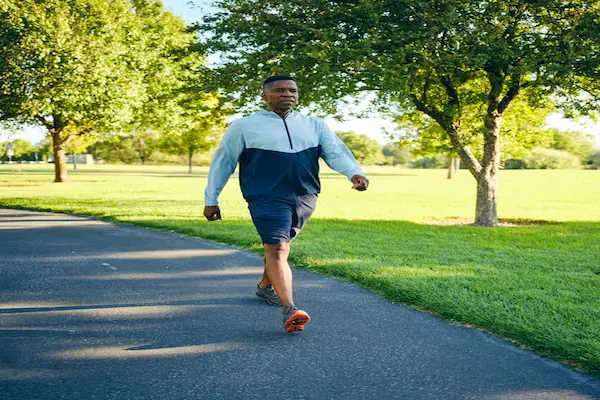
Fresh air can make movement feel lighter, even on days when motivation feels heavy and your body feels a bit unsure.
This outdoor walking routine for beginners is a friendly guide to planning simple routes, staying safe, and building endurance gradually without pressure.
Outdoor walking routine for beginners: why outside often feels easier
A change of scenery can turn “exercise” into exploration, which helps many beginners stick with the habit long enough to feel real health benefits.
Natural cues like trees, benches, street corners, and gentle hills give your brain something to follow, so your walk feels less like staring at time passing.
Sunlight and open space can boost mood for many people, while a calm route can reduce the “crowded gym” feeling that sometimes stops beginners from starting.
Outdoor walking also invites a more natural stride, because your body adjusts subtly to the surface, the breeze, and the small changes in terrain.
Consistency matters more than intensity, so an enjoyable beginner outdoor cardio habit usually wins over a “perfect plan” that feels stressful.
What “beginner-friendly” should feel like in your body
Comfortable effort usually means you feel warmer and slightly more breathy, while still staying in control of your posture and your breathing.
Steady progress shows up as smoother movement and easier recovery, not as a constant need to push harder each day.
Mild muscle fatigue can be normal at first, yet sharp pain, dizziness, chest pressure, or symptoms that worsen over time deserve caution and professional guidance.
This article is general information, not a personalized medical plan, so checking with a health professional is wise if you have existing conditions or concerns.
Three mindset shifts that keep the routine realistic
- Exploration beats perfection, because a route you enjoy is a route you will repeat.
- Small wins beat big promises, because repeating a short walk reliably creates stronger momentum than one heroic session.
- Body signals beat ego, because staying safe protects the habit you are trying to build.
How to choose a park walking route or neighborhood walks that feel welcoming
Route choice can make or break your routine, because a stressful path can turn an easy walk into a tense, distracted experience.
Safety and comfort come first, so the best route is often the one that feels calm, predictable, and easy to leave if needed.
Variety is still helpful, yet variety should be introduced slowly so your confidence grows rather than gets challenged too quickly.
Start with the “three comforts” test
Before committing to a new route, look for comfort in visibility, footing, and exits, because those three factors reduce anxiety and increase control.
- Visibility means you can see ahead clearly, which helps you anticipate crossings, crowds, and obstacles without surprises.
- Footing means the surface feels stable, which reduces slip risk and keeps your joints happier, especially in early weeks.
- Exits mean you can shorten the walk easily, which makes the routine feel flexible rather than trapped.
Park routes: what makes them beginner-friendly
Many parks offer loops, landmarks, bathrooms, and benches, which can remove stress for beginners who worry about getting tired far from home.
A looped park walking route can feel mentally easier than an out-and-back, because you always feel like you are “making progress” without needing to turn around.
Wide paths reduce weaving and sudden stops, which helps you maintain a steady rhythm without feeling rushed by faster walkers.
Benches are not a sign of weakness, because planned pauses can support safe endurance building.
Neighborhood walks: what to look for before you commit
Quiet streets with sidewalks, crosswalks, and good lighting often feel more comfortable than busy roads, especially when you are learning pacing and awareness.
Familiar blocks can feel reassuring, because you already know where dogs bark, where traffic speeds up, and where sidewalks narrow.
A neighborhood loop that passes by a familiar landmark can help you track progress without needing a watch or an app.
Community spaces like libraries, community centers, or well-lit storefront areas can add a sense of safety if your route passes nearby.
Surface choices that protect comfort
Soft surfaces like packed dirt or rubberized paths can feel kinder on joints, while smooth pavement can feel more predictable for footing and balance.
Uneven cobblestones and broken sidewalks can increase trip risk, so saving those routes for later can be a smart beginner choice.
Gentle hills are fine, yet steep hills can turn a casual walk into a hard workout, so choosing flatter routes first can support confidence.
Outdoor walking routine for beginners: a simple route-planning method
Planning a route does not need to be complicated, because a few basic decisions can create a reliable path you can repeat and improve.
Time-based planning often works best for beginners, because terrain and pace can vary, while minutes are easy to understand.
A flexible plan includes short-cut options, because your energy level will not be identical every day.
The “pick a hub, pick a shape” method
A hub is your starting point, like your front door, a park entrance, or a bus stop near home, and it should feel easy to return to.
A shape is how you move away from the hub, and beginner-friendly shapes include loops, out-and-backs, and simple rectangles.
- Choose a hub that feels safe and convenient, because convenience is what makes repetition realistic.
- Select a route shape that feels obvious, because “getting lost” stress can raise tension and ruin an otherwise pleasant walk.
- Set a time goal rather than a distance goal, because time stays consistent even when pace changes.
- Identify two early exit points, because having options makes your nervous system relax.
- Add one “comfort landmark,” like a bench or a familiar corner, because landmarks make the route feel friendlier.
Three route shapes that work almost anywhere
- Loop routes bring you back to the start without retracing steps, which keeps the walk feeling fresh.
- Out-and-back routes make planning simple, because you walk out for half your time and return for the other half.
- Rectangle routes use a few streets or path segments, which can reduce boredom while staying easy to remember.
A quick “route preview” you can do in five minutes
Walking the first two minutes of a new route as a preview can reveal surprises, like construction, aggressive traffic, or a missing sidewalk.
A preview also shows where you might slow down, like narrow crossings or crowded corners, which helps you pace more calmly later.
Returning early after a preview is still success, because the goal is choosing safe areas, not forcing a plan that feels wrong.
Safe walking tips for outdoor routes: choosing areas and times
Safety matters because feeling secure helps you relax, and relaxed walking tends to feel easier, steadier, and more enjoyable.
Local traffic laws and norms vary, so following local rules and posted signs is a basic form of self-protection and community respect.
Timing is part of safety, because a route that feels peaceful in the morning can feel crowded or chaotic at rush hour.
Choosing safer times to walk
- Daylight hours often improve visibility, which reduces trip risk and helps drivers notice you sooner.
- Off-peak times can reduce crowding, which makes it easier to keep your pace steady without weaving.
- Weather windows matter, because extreme heat, storms, or icy conditions can turn a simple walk into an unnecessary risk.
- Personal energy matters, because walking when you feel exhausted can reduce attention and increase stumble risk.
Picking safer areas without overthinking it
Well-maintained sidewalks and paths reduce hazard surprises, which is especially helpful when you are still building confidence.
Routes with consistent crosswalks and predictable intersections usually feel calmer than routes that require frequent risky crossings.
Areas with regular foot traffic can feel safer for some people, while quieter areas can feel better for others, so choose what matches your comfort.
Construction zones deserve extra caution, because detours can push pedestrians closer to traffic or into uneven surfaces.
Crossing habits that reduce risk in busy spots
- Use crosswalks when available, because drivers expect pedestrians more at designated crossings.
- Pause at the curb and look both ways, because a green signal does not guarantee every vehicle will stop.
- Make eye contact with turning drivers when possible, because attention signals can reduce misunderstandings.
- Cross with purpose, because hesitant stepping can confuse drivers and other pedestrians.
- Stay patient if the crossing feels rushed, because waiting one more cycle is safer than sprinting in panic.
Stay alert while walking: phone and headphone guidance
Distraction is one of the biggest risks in crowded areas, because phones and loud audio can block important information.
- Lower headphone volume so you can hear traffic cues, because sound often warns you before you see a hazard.
- Use one earbud instead of two if you prefer audio, because partial hearing helps awareness.
- Step aside before checking your phone, because stopping suddenly in a crowd can cause collisions.
- Keep your head up when crossing, because looking down reduces reaction time.
Visibility habits for early morning or evening walks
Being seen is a safety skill, not a fashion choice, so bright colors and reflective elements can be practical tools.
- Wear reflective details when light is low, because headlights catch reflectors sooner than dark clothing.
- Choose well-lit routes when possible, because shadows can hide obstacles and reduce driver awareness.
- Carry a small light if needed, because seeing the ground helps prevent trips on uneven surfaces.
- Avoid blending into the background, because “invisible” clothing can increase risk near crossings.
What to bring for beginner outdoor cardio walks
Carrying a few essentials can make your walk safer and more comfortable, which makes it more likely you will go again tomorrow.
Overpacking can feel annoying, so the goal is a small, simple kit that fits your route length and weather.
Planning what to bring becomes easier once you decide whether your walk is a short neighborhood loop or a longer park adventure.
The “minimum kit” for most beginner walks
- Water is helpful even on short walks, because mild dehydration can make effort feel harder than it should.
- Comfortable shoes reduce friction and foot fatigue, because foot pain can ruin consistency quickly.
- A small snack can help longer walks, because low energy sometimes feels like “lack of motivation.”
- Identification is a practical safety habit, because unexpected situations happen even on familiar routes.
Sun protection that keeps walking pleasant
Sun protection is part of comfort, because sunburn and overheating can turn a good habit into a miserable memory.
- Sunscreen can protect exposed skin, especially on longer routes with limited shade.
- A hat can reduce glare and heat, which helps you stay alert while walking.
- Sunglasses can improve visibility, because squinting increases facial tension and fatigue.
- Light, breathable layers can help in warm climates, because overheating makes pacing harder to control.
Weather-smart add-ons for unpredictable days
- A light rain layer keeps you comfortable, because getting soaked can lead to chafing and cold.
- Extra socks can save a long walk, because wet feet often lead to blisters.
- Layering helps in cooler weather, because starting cold and finishing warm is common.
- Grip-friendly footwear matters when surfaces are slick, because slips often happen when attention drops.
Outdoor walking routine for beginners: pacing without gadgets
Pacing feels less intimidating when you use body signals, because your breath and speaking ability provide reliable feedback.
A “steady pace” is not one perfect speed, because it is an effort level you can hold while staying calm and coordinated.
Beginners often benefit from a gentle structure, because structure removes guesswork and prevents starting too fast.
The talk test, revisited for real-world routes
Conversation pacing is simple, because you can check in with yourself without stopping.
- Easy pace allows full sentences, which is ideal for warm-ups, cool-downs, and recovery days.
- Moderate pace allows short sentences, which fits most general health walking goals.
- Too-hard pace makes talking difficult, which is a sign to slow down if your goal is consistency.
A beginner-friendly 30-minute structure you can reuse
- Walk easy for 5 minutes to warm up, because joints and breath usually need a gentle start.
- Shift to steady moderate for 20 minutes, because that middle block creates most of the cardio benefit.
- Slow down for 5 minutes to cool down, because ending calmly supports recovery and repeatability.
Optional “sprinkles” of variety that stay beginner-safe
Variety can keep your mind engaged, while still staying within a safe and steady walking pattern.
- Add four rounds of 30 seconds slightly faster with 60 seconds easy, because short intervals can feel playful rather than punishing.
- Use gentle hills as natural intervals, because terrain changes effort without requiring you to force speed.
- Try cadence pops with shorter steps, because quicker rhythm can raise intensity without overstriding.
Posture tips that make steady pace walks feel easier
Comfortable posture helps breathing and reduces fatigue, because tension in the upper body can make the whole walk feel harder.
- Keep your gaze forward, because looking down can tighten the neck and reduce awareness.
- Let shoulders stay relaxed, because shrugged shoulders waste energy and reduce comfort.
- Allow arms to swing naturally, because gentle arm rhythm supports steady pacing.
- Choose quiet steps, because loud footsteps often mean overstriding or tension.
Route templates you can use today
Templates reduce planning effort, because you can plug your local streets or park paths into a simple structure.
Repeating a template helps you notice progress, because the same route makes changes in comfort and endurance easier to feel.
Rotating templates prevents boredom, because small changes keep the routine feeling fresh without making it complicated.
Template 1: The park loop routine
A loop-based park walking route feels friendly because you can shorten it easily, and the environment often includes benches and clear paths.
- Warm up for 5 minutes on the flattest section, because the body settles faster on predictable terrain.
- Walk steady for 15 to 25 minutes around the loop, because continuous motion builds endurance smoothly.
- Cool down for 5 minutes near the entrance, because finishing near your start reduces mental friction.
- Short-cut option: take a smaller inner loop if fatigue shows up early, because flexibility protects consistency.
- Comfort option: pause at a bench for two slow breaths if needed, because pauses are tools, not failures.
- Progress option: add one extra loop segment every one or two weeks, because gradual increases protect joints.
Template 2: The neighborhood rectangle
A rectangle route is easy to remember, because it uses a few turns and keeps you close to familiar streets.
- Walk easy for one side of the rectangle, because easing in reduces stiffness from sitting.
- Walk steady for the next two sides, because the middle should feel like your main work.
- Walk easy for the final side, because cooling down is smoother when it is built into the route.
- Safety option: choose streets with better sidewalks and clearer crossings, because comfort improves when crossings feel predictable.
- Variety option: reverse direction once per week, because switching direction changes the feel without changing distance.
- Confidence option: repeat the same rectangle for two weeks, because familiarity reduces stress.
Template 3: The out-and-back confidence builder
An out-and-back works when your area has one good path, because you only need one safe corridor to build a reliable habit.
- Walk out for half your planned time, because turning around at a time mark keeps the walk balanced.
- Return at the same steady effort, because symmetrical pacing is easier to manage.
- Slow down for the final minutes near home, because finishing calmly helps recovery.
- Landmark method: walk out until you reach a clear marker, because landmarks remove the need to watch the clock.
- Energy method: turn around while you still feel good, because saving a little energy encourages consistency tomorrow.
- Weather method: choose this template on windy days, because you can plan the windier part earlier or later depending on comfort.
Outdoor walking routine for beginners: adapting routes as endurance grows
Endurance grows when your body receives a consistent signal, because repeated moderate effort teaches your heart, lungs, and legs to cooperate better.
Progress should feel gradual, because rapid jumps in time or intensity can lead to soreness that interrupts your routine.
Building confidence is part of endurance, because feeling safe and capable reduces tension and improves pacing.
Two simple progression rules that protect beginners
- Change one thing at a time, because adding time and speed together can create a bigger jump than you expect.
- Increase by small amounts, because a five-minute upgrade often delivers progress without backlash.
A gentle 4-week progression template for outdoor routes
- Week 1 focuses on showing up 3 times, with 15 to 20 minutes total each walk, because habit comes before heroics.
- Week 2 adds one extra walk or five extra minutes, because small upgrades build trust.
- Week 3 introduces a steady middle block at moderate pace, because controlled intensity improves fitness safely.
- Week 4 repeats the structure and adds one optional variety sprinkle, because gentle variety keeps motivation alive.
How to “upgrade” a route without making it longer
Not every improvement needs more minutes, because better pacing, better posture, and better consistency are meaningful progress.
- Walk the same route with calmer breathing, because smoother breath is a sign of adaptation.
- Choose slightly steadier pacing in the middle, because consistency across minutes builds endurance.
- Add one gentle hill once a week, because terrain can build strength without forcing speed.
- Reduce stopping time gradually, because fewer interruptions often happen naturally as fitness improves.
What makes outdoor walking feel inclusive and enjoyable
Walking is for many bodies and many lives, so an inclusive routine makes space for different speeds, different schedules, and different mobility realities.
Enjoyment matters because enjoyment predicts repetition, and repetition is where health benefits accumulate.
Permission to adjust keeps the routine alive, because rigidity often turns good intentions into guilt.
Ways to personalize neighborhood walks without pressure
- Bring a friend if you feel safer with company, because social support can reduce anxiety in new areas.
- Choose quieter routes if crowds feel stressful, because calm environments help you stay alert while walking.
- Use benches or planned pauses if needed, because pacing can be gentle and still effective.
- Walk with a mobility aid if that supports safety, because safe movement always outranks pride.
Motivation tricks that still feel calm and non-competitive
- Create a “route playlist” in your head, like three favorite blocks or three favorite trees, because small rituals build affection for the habit.
- Pick one weekly “explore day,” because novelty keeps interest alive without needing intensity.
- Track consistency with simple checkmarks, because visual momentum can feel encouraging.
- Celebrate comfort improvements, because feeling better is a valid success metric.
Troubleshooting common outdoor walking challenges
Challenges are normal, because life, weather, energy, and mood change, and walking outside is always a little unpredictable.
Small adjustments solve most problems, because the goal is a routine that survives imperfect conditions.
Listening to your body protects long-term progress, because pushing through warning signs often leads to setbacks.
If boredom shows up mid-walk
- Switch to a route template with turns, because corners create natural milestones.
- Add rhythm blocks like 2 minutes steady and 1 minute easy, because variety can re-engage attention quickly.
- Choose a destination landmark, because “walking to something” feels more purposeful than “walking for time.”
If soreness appears after walks
- Reduce time slightly for a few sessions, because the body often adapts better with a smaller, consistent dose.
- Slow down the pace and lengthen the warm-up, because stiffness often responds to gentler starts.
- Check footwear comfort, because poor shoe fit can create avoidable pain and friction.
If weather disrupts your plan
- Choose shorter neighborhood loops on windy days, because shorter loops give you easier exit options.
- Walk earlier or later to avoid peak heat, because heat can raise effort faster than expected.
- Use indoor alternatives when conditions are unsafe, because consistency should never require unnecessary risk.
If safety anxiety shows up
- Select more populated, well-lit routes, because predictable environments reduce worry.
- Walk with a buddy when possible, because shared attention can feel reassuring.
- Keep audio low or use one earbud, because hearing your surroundings helps you stay alert while walking.
FAQ about an outdoor walking routine for beginners
How long should beginner outdoor cardio walks be?
Many beginners do well with 15 to 30 minutes including warm-up and cool-down, because that range is effective while still manageable.
How often should I walk outdoors each week?
Three to five walks per week works for many adults, because consistency matters more than making any single walk intense.
Is a park walking route better than neighborhood walks?
Parks can feel calmer and more scenic, while neighborhoods can be more convenient, so the better choice is the one you will repeat safely.
What pace should I aim for as a beginner?
A pace where you can speak in short sentences without gasping is a helpful target, because it signals moderate effort without overload.
How do I know when to make my route longer?
Adding time makes sense when your current route feels comfortable and recovery feels quick, because those signs suggest your body is adapting well.
Should I follow local traffic laws even if others do not?
Following local rules and staying aware reduces risk, because predictability helps drivers, cyclists, and pedestrians share space more safely.
Important independence notice
Notice: this content is independent and does not have affiliation, sponsorship, or control by any institutions, platforms, or third parties mentioned.
Closing: keep it simple, keep it safe, keep exploring
Exploring parks and neighborhoods on foot can become a gentle form of self-care, especially when your routes feel safe, your pacing feels steady, and your expectations stay kind.
Over time, small route upgrades, thoughtful preparation, and patient consistency can turn this outdoor walking routine for beginners into a comfortable weekly rhythm that supports better health.