
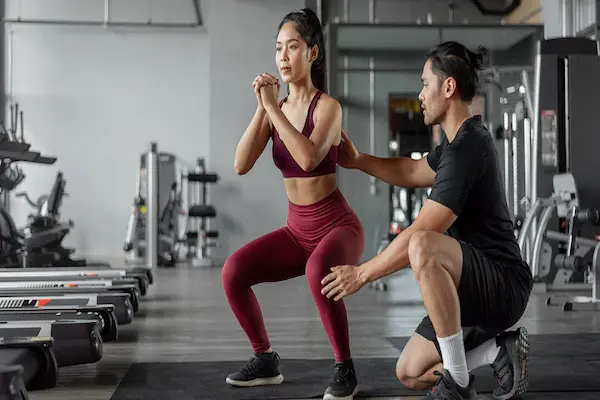
Feeling unsure about whether you are “doing it right” in a workout is incredibly common, especially when you do not have a trainer watching every movement, and learning a few clear principles of proper workout form for beginners can turn that uncertainty into calmer, safer confidence each time you exercise.
Instead of trying to memorise perfect positions for dozens of different exercises, this guide focuses on simple posture rules, safe movement cues and easy self-checks that apply across many movements, so your whole routine can become more controlled, less painful and much less stressful.
Why Proper Workout Form Matters More Than Weight or Speed
When people first start training, attention often goes straight to how much weight they can lift, how many repetitions they can squeeze in or how fast they can move, yet for beginners the quality of movement almost always matters more than numbers, because sloppy technique quietly adds stress to joints and soft tissues in ways that might not show up until later.
Thinking of proper workout form for beginners as the foundation of every exercise makes it easier to accept that lifting lighter, moving slower or stopping a set early can actually be the safest and smartest choice for your body, especially in the first months of training.
Main Benefits of Good Exercise Technique
- Spreads effort across the right muscles instead of letting one small area carry too much load and become irritated.
- Keeps joints in safer, more natural positions so tendons, ligaments and cartilage experience less unnecessary strain.
- Makes movements feel smoother and more efficient, which often allows better progress over time even with less weight.
- Reduces the chances of tripping, twisting awkwardly or losing balance during more complex exercises.
- Builds confidence, because you know what “good enough” form looks and feels like, even without a trainer at your side.
Seeing technique as a way to protect your future self can make it much easier to slow down today, even when chasing bigger numbers feels tempting.
Core Posture Principles Every Beginner Should Know
Before diving into individual exercises, understanding a few simple alignment ideas gives you a base you can apply to squats, pushes, pulls, core moves and many other patterns, so that your whole routine rests on the same safety-first structure.
Principle 1: Tall, Relaxed Posture
Most standing movements work best when your body is stacked in a tall but relaxed position, because this lets force travel smoothly through your joints instead of bending and twisting in uncomfortable ways.
- Imagine a string gently lengthening you from the top of your head, helping you stand tall without stiffening your neck or shrugging your shoulders.
- Keep your ribcage roughly over your pelvis rather than arching your lower back and pushing your ribs forward.
- Let your shoulders sit down and slightly back, so they feel wide and open instead of rounded and tense.
Principle 2: Neutral Spine, Not Rigid Back
People often hear “keep your back straight” and then lock themselves into a stiff, uncomfortable posture, however a safer idea is a neutral spine, which means maintaining the gentle natural curves of your back without excessive rounding or arching.
- Stand side-on to a mirror if you have one and notice the slight curve in your lower back and upper back at rest.
- Try exaggerating those curves by arching hard, then rounding completely, and then settling somewhere in between.
- Use that middle position as your default for many lifts, so your spine feels supported but not frozen.
- During most exercises, think about keeping your chest proud but not flared, and your lower ribs gently tucked toward your hips.
- If your lower back feels pinched, arched or jammed, that is usually a sign to reset your alignment or reduce the load.
Principle 3: Soft Knees and Stable Feet
A small bend in your knees and a firm connection between your feet and the ground help you stay balanced and protect your joints, especially when you change direction or lift weights.
- Avoid locking your knees into a completely straight position during standing exercises; keep a gentle bend that allows movement.
- Spread your weight across the whole foot, sensing the heel, the ball near your big toe and the ball near your little toe all sharing pressure.
- Let your knees track roughly over your middle toes, instead of falling inward or collapsing outward without control.
Principle 4: Gentle Core Bracing and Steady Breathing
Good form involves not only where your limbs are, but also how your midsection supports your spine, and simple core engagement can make many exercises feel safer and more stable without needing intense “six-pack” tension.
- Imagine someone is about to tap you lightly in the stomach and you gently prepare for it, creating a firm but comfortable brace.
- Hold that gentle support as you move, while still allowing your belly and ribs to expand softly with each breath.
- Release the tension between sets so your body can relax and recover before the next effort.
- Exhale slowly during the effort phase of a movement, such as standing up from a squat or pushing away in a push-up.
- Inhale during the easier phase, such as lowering back down, and avoid long breath holds unless specifically instructed by a professional who knows your health history.
Safe Movement Cues for the Main Exercise Patterns
Nearly all beginner routines centre around a few basic patterns such as squats, hip hinges, pushes, pulls and simple core work, so learning visual, easy-to-remember cues for each one can transform how secure your workouts feel.
Squat and Sit-to-Stand Pattern
Squats and sit-to-stands mirror everyday movements like getting out of a chair, so proper workout form for beginners in this pattern is valuable far beyond the gym.
- Starting stance: Feet about hip to shoulder width apart, toes pointing slightly outward if that feels natural, with weight spread evenly.
- Movement cue: Think “hips back, then knees bend,” as if you are reaching for a chair behind you rather than dropping straight down.
- Shift your hips backwards gently, keeping your chest lifted and eyes forward or slightly down instead of craning your neck up.
- Allow your knees to bend and travel in line with your toes, stopping before they dive inward or feel painful.
- Lower only as far as you can while your heels stay grounded and your spine remains neutral, whether that is a shallow bend or a deeper squat.
- Press evenly through both feet as you stand, imagining the floor gently pushing you back up.
- Common helpful cue: “Sit back between your heels while keeping your chest proud, not collapsing forward.”
- If your knees complain, reduce depth, widen your stance slightly or use a chair as a target so you know where to stop.
Hip Hinge Pattern (Deadlift Style Movements)
Hip hinges include deadlift variations and good-morning style exercises, and they teach you to bend from the hips rather than rounding from the lower back whenever you pick something up.
- Starting stance: Feet roughly under your hips, knees softly bent, hands on hips or holding light weight close to your body.
- Movement cue: Imagine closing a car door with your hips while your chest tilts forward in one solid piece.
- Maintain a neutral spine as you push your hips backwards, feeling weight shift slightly into your heels without lifting your toes off the floor.
- Let your torso lean forward as a single unit, so your back stays long and your head remains in line with your spine.
- Stop the hinge when you feel a stretch in the back of your legs or when your back would start to round if you kept going.
- Drive your feet into the ground and squeeze your glutes gently to return to standing tall.
- Think “chest to wall in front, hips to wall behind” to keep the hinge balanced and avoid folding from the spine alone.
- Any time your lower back feels pinched, arching or sagging, reset your posture and lighten the load before continuing.
Push Pattern (Push-Ups, Presses)
Push movements include push-ups, wall presses and weight presses, and they challenge the chest, shoulders and triceps while also asking the core to resist sagging or excessive arching.
- Hand placement: Hands slightly wider than shoulder width, aligned near mid chest rather than high by your neck.
- Body line: From head through shoulders, hips and knees, imagine one long plank rather than broken segments.
- Set your shoulders by gently drawing them away from your ears and imagining your shoulder blades resting flat against your ribs.
- Bend your elbows slowly, allowing them to angle roughly forty-five degrees out from your sides instead of flaring straight out.
- Lower only until your shoulders stay comfortable and your body line remains intact without hips sagging or piking.
- Press away from the floor or wall while exhaling, keeping your ribcage stacked over your pelvis rather than collapsing your midsection.
- If a standard push-up feels too demanding, shift to a wall or elevated surface like a sturdy bench, which lets you keep solid form and build strength gradually.
- A helpful cue is “push the ground away with your whole body in one piece, not head first or hips first.”
Pull Pattern (Rows and Pulldowns)
Pulling exercises train the back and biceps and are crucial for posture, yet beginners often feel unsure about how their shoulders should move, so clear cues can make these far safer and more effective.
- Shoulder position: Wide, relaxed chest with shoulder blades sliding gently back and down, not shrugged toward the ears.
- Elbow path: Elbows move roughly alongside your torso rather than flying straight out to the sides.
- Start by imagining your chest opening, then pull your shoulder blades toward your spine as if squeezing a soft sponge between them.
- Let your elbows follow that shoulder blade motion, drawing the weight or band toward your body in a controlled line.
- Pause briefly when your hands reach your ribs or mid torso, keeping your neck neutral and relaxed.
- Allow your arms to straighten again slowly, maintaining control instead of letting the weight snap forward.
- Think “lead with your back, not your hands” to avoid curling your arms without engaging the larger back muscles.
- Whenever your neck tightens, soften your jaw, lower your shoulders slightly and reduce the load if needed.
Core Stability Pattern (Planks and Dead Bug Variations)
Core exercises aim to teach your midsection to resist collapsing or twisting unexpectedly, and safe movement cues here focus on alignment and steady breathing rather than dramatic crunching motions.
- Neutral position: Ribs softly stacked over pelvis, not flaring up or tucking under excessively.
- Effort style: Gentle bracing as though protecting your stomach, while still allowing your lungs to fill and empty.
- In a wall or counter plank, step your feet back enough to feel some challenge, yet keep your lower back from sagging.
- Press the surface away through your forearms or hands while lightly tightening your abdominal area.
- Hold for a modest time, such as ten to twenty seconds, focusing on smooth, quiet breathing.
- Rest fully between holds so your technique stays crisp rather than shaky or strained.
- Visualising “a strong, steady column” from ribs to hips can help you maintain solid alignment while arms and legs move in other exercises.
- Sharp back pain, intense neck tension or breath-holding are clear signals to stop, modify or seek guidance.
Common Form Errors Beginners Make (and How to Fix Them)
Knowing what often goes wrong can be just as useful as learning correct technique, because once you recognise patterns, you can catch and correct them early, before they become habits.
Frequent Squat and Lunge Mistakes
- Knees collapsing inward toward each other instead of following the direction of the toes.
- Heels lifting from the ground so weight shifts into the toes, stressing the knees and balance.
- Upper body folding too far forward with the chest almost resting on the thighs.
- Focus on pressing your knees gently outward as you lower, as though creating space between them.
- Keep your whole foot in contact with the floor and imagine spreading the ground beneath you with your feet.
- Reduce your depth and practise in front of a chair, tapping it lightly, to avoid dropping too low too soon.
Typical Upper Body Push Mistakes
- Elbows flaring out nearly at ninety degrees, which can feel rough on the shoulder joints.
- Hips sagging in planks and push-ups, creating a deep arch in the lower back.
- Neck craning forward so the head reaches for the floor before the chest.
- Angle your elbows closer to your sides, imagining them pointing toward your hips instead of straight out.
- Shorten the lever by dropping to knees or moving to a higher surface until your body line feels solid.
- Keep your gaze a little ahead of your hands, letting your head follow the natural line of your spine.
Rowing and Pulling Errors
- Shoulders hunching toward the ears, creating tension in the neck.
- Leaning far back and using body swing to move the weight rather than controlled arm and back action.
- Wrists bending sharply or hyperextending while gripping handles or bands.
- Start each repetition by sliding your shoulders down and back, then let the arms follow that movement.
- Stand or sit in a firm position and avoid using momentum; if you need to swing, the weight is probably too heavy.
- Maintain straight, neutral wrists, as if you were about to shake someone’s hand, not bend your hand up or down.
Core Work and Crunch Mistakes
- Straining the neck by pulling hard on the head with the hands during crunches.
- Allowing the lower back to arch excessively during leg-lift style movements.
- Holding breath in an attempt to feel more “solid,” which can cause dizziness or unnecessary pressure.
- Support your head lightly with fingertips and imagine your chest curling toward your knees rather than your forehead chasing the ceiling.
- Reduce the height of leg lifts or keep one foot on the floor to help your lower back stay comfortable.
- Coordinate exhaling with the effort and inhaling with the easier phase, keeping breath smooth instead of forced.
Simple Self-Check Cues When You Do Not Have a Trainer
Exercising alone does not have to mean guessing blindly, because small self-check habits can give you instant feedback on whether you are moving in a safe, controlled way.
Mirror and Wall Checks
- Use a mirror occasionally to glance at your overall posture, not to criticise your body shape but to see alignment.
- Stand with your back against a wall to feel neutral spine: back of the head, upper back and part of your hips touching lightly, with a small natural space at your lower back.
- Practise your squat or hinge facing sideways to a mirror if available, monitoring how your spine and knees behave.
Three-Question Form Scan
- “Where is my weight?”
- Check whether your weight feels centred and balanced between both feet, rather than tipping onto toes or heels only.
- “How is my spine?”
- Notice if your back feels long and supported or if you sense collapsing, arching or pinching.
- “Am I breathing?”
- Observe whether your breath is flowing or whether you are holding it without realising.
Pausing every few sets to ask these questions can quickly highlight when fatigue is starting to drag your form away from safer patterns.
Gentle Internal Cues to Keep in Mind
- “Soft but strong” for knees and elbows, meaning not locked, yet not flopping.
- “Wide chest, heavy shoulders” to remind yourself not to hunch toward your ears.
- “Steady centre” as a reminder to keep your midsection lightly braced without holding your breath.
Self-cues like these are simple sentences you can repeat internally to bring your focus back to safe movement whenever your mind wanders.
Understanding Discomfort vs Pain and When to Stop
One of the most important parts of proper workout form for beginners is learning to recognise the difference between normal exercise sensations and warning signs that something is wrong, because pushing through sharp pain can turn a manageable issue into a bigger problem.
Sensations That Are Usually Normal
- Mild muscle warmth or a burning feeling near the end of a set, especially in muscles that are new to this kind of work.
- Breathing a little harder and feeling your heart beating faster while still being able to speak short sentences.
- Light shaking in a muscle during the last repetitions of a controlled exercise set, which often reflects fatigue.
Warning Signs to Take Seriously
- Sharp, stabbing, catching or sudden pain in a joint or muscle, especially if it appears quickly with a specific movement.
- Strong pain that makes you stop the exercise immediately or that worsens as you keep trying to move.
- Chest tightness, heavy pressure, severe breathlessness, dizziness or a feeling that you might faint.
- Sudden numbness, tingling, loss of balance or changes in vision that do not resolve quickly.
- Whenever these warning signs appear, the safest choice is to stop the exercise, rest and seek medical attention if symptoms do not ease within a short period.
- Persistent pain that continues over several sessions, even at light intensity, should also be discussed with a health professional.
Respecting these signals is not a sign of weakness; instead, it shows that you are committed to staying safe and protecting your long-term ability to move.
How Load, Reps and Speed Affect Form Quality
Technique does not exist separately from how heavy, how many and how fast you move, because each of these factors can either support good form or push you into dangerous territory if not managed carefully.
Choosing Appropriate Weight or Resistance
- Select a weight where the first few repetitions feel fairly easy, the middle ones feel challenging but manageable and the final ones feel demanding while still allowing you to maintain alignment.
- If your form starts breaking down earlier than planned, reduce the load and rebuild the set with better control.
- Especially in the beginning, err on the side of lighter resistance and add more only when sets feel consistently strong and clean.
Managing Repetitions and Sets
- Begin with modest repetition ranges, such as eight to ten reps for most basic exercises, focusing on quality over quantity.
- Increase repetitions slowly as technique improves, rather than jumping straight to very high numbers that invite sloppy movement.
- Rest enough between sets so that your breathing settles and your muscles feel ready to maintain solid form again.
Controlling Tempo and Speed
- Use a steady rhythm, for example two seconds to lower and two seconds to raise, which helps you feel the entire range of motion.
- Avoid fast, jerky movements that rely on momentum, since those can disguise poor control and overload joints.
- Slow down further when learning a new exercise, giving your brain and body time to coordinate safely.
Keeping weight, repetitions and speed within a range your technique can handle is one of the simplest, strongest ways to protect your body while still getting stronger.
Practising Proper Workout Form Without a Trainer
Working out alone often feels intimidating, yet gradual practice and simple tools can help you refine your technique bit by bit, even without professional eyes on you in every session.
Using Video as a Learning Tool
- Set up your phone or device to film from the side or front during a few repetitions of an exercise, using a stable surface.
- Watch your movement afterwards and compare what you see with the posture principles and cues you are learning.
- Look for big-picture alignment first, such as spine position and knee tracking, before worrying about tiny details.
Building a Form Focus Session
- Choose two or three key exercises you want to improve, such as squats, hinges and push-ups.
- Perform only one or two very light sets of each exercise, paying maximum attention to alignment, breathing and cues, rather than chasing fatigue.
- Rest generously between sets and treat the whole session as technique practice rather than a workout you must “feel” the next day.
Regular technique-focused sessions like this can quickly sharpen your awareness and reduce anxiety about whether you are moving correctly.
Summary Checklists for Safe Movement
When your mind feels full of information, short checklists can simplify everything, helping you remember the most important ideas of proper workout form for beginners at a glance.
Alignment Checklist Before Each Set
- Feet grounded and balanced, with weight spread through heel and ball of the foot.
- Knees soft and tracking in line with toes, not collapsing inward.
- Spine neutral, chest open, ribs over pelvis and neck in line with the rest of your back.
- Shoulders relaxed away from ears, with shoulder blades lying gently on the ribcage.
- Core lightly braced and breathing steady, not held.
During the Set Checklist
- Movement feels controlled rather than thrown or jerked.
- Joints stay in comfortable ranges, without pinching or grinding sensations.
- Breath flows with the motion: exhale on effort, inhale on the easier phase.
- Balance is steady; you do not feel like you might fall or twist suddenly.
After the Set Checklist
- Muscles feel worked but not painfully strained or torn.
- Joints feel warm or neutral, not sharp, swollen or unstable.
- Breathing returns toward normal within a minute or so for most beginner sets.
- Energy feels slightly challenged but not completely drained or dizzy.
Reviewing one of these lists quickly during your session can act as a safety net, catching problems early and reminding you that technique sits at the centre of sustainable progress.
Final Safety Reminder, Disclaimer and Independence Notice
Developing proper workout form for beginners is less about chasing perfection and more about gradually building safer habits, paying attention to alignment, breathing and comfort so that exercise becomes a supportive part of your life instead of another source of stress or injury.
Every time you slow down to adjust your stance, lighten the weight to keep good control or stop when sharp pain appears, you are making a wise, protective choice that supports your long-term ability to move, lift, walk and live with more ease.
Before beginning or significantly changing any exercise program, especially if you have medical conditions, previous injuries, ongoing symptoms or concerns about how exercise might affect you, you should always consult a qualified health professional, because this article offers general educational information only and does not replace personalised medical advice, diagnosis or treatment tailored to your individual situation.
This content is independent and does not have any affiliation, sponsorship, endorsement or control from institutions, platforms, fitness brands, gyms, health services or any other third parties that may appear in general examples, and any decisions you make about programs, equipment or services remain entirely your responsibility, ideally made in partnership with trusted professionals who understand your needs and goals.
As you continue learning, you can return to these posture rules, safe movement cues and self-check lists whenever you feel uncertain, letting them guide you toward calmer, more confident sessions where safety, awareness and respect for your body always come first.